 Air Transport
Air Canada begins canceling flights as cabin crew dispute escalates
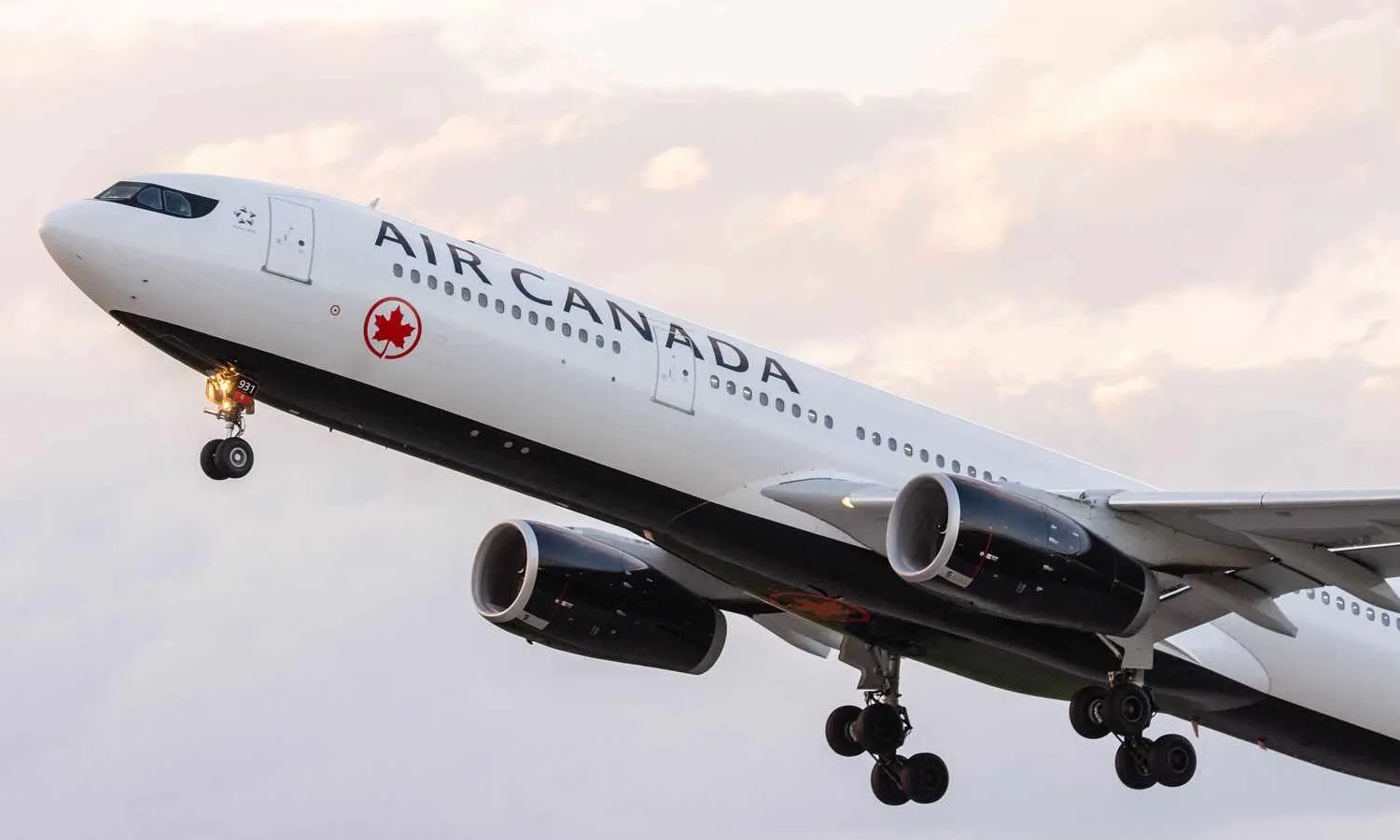
Air Canada began canceling flights on Thursday 14 after receiving a 72-hour strike notice from the Canadian Union of Public Employees (CUPE), which represents more than 10,000 flight attendants at Air Canada and Air Canada Rouge.
Although the strike is set to begin on August 16, the airline opted to impose a lockout and gradually scale back operations to avoid a sudden shutdown during peak summer travel.
According to the company, the move is intended “to offer predictability through an orderly suspension of Air Canada and Air Canada Rouge operations,” as “unplanned or uncontrolled disruptions […] can cause far more serious inconvenience to travelers,” said Michael Rousseau, Air Canada’s president and CEO.
The dispute follows eight months of negotiations with federal mediators. On August 11, Air Canada submitted a revised proposal that, according to the airline, included “a 38% total compensation increase over four years,” ground duty pay, improved pensions, and longer rest periods, “without requiring any concessions from the flight attendants.”

The union rejected the offer, prompting Air Canada to ask the Canadian government to impose mandatory arbitration. “We believe this is now the only safe path to conclude negotiations and reduce the impact on travelers, businesses, and the Canadian economy,” Rousseau said.
Air Canada Express flights, operated by regional partners such as Jazz and PAL Airlines, will continue as usual but account for only about 20% of daily capacity. Air Canada and Rouge together carry roughly 130,000 passengers per day, including 25,000 Canadians returning from abroad.
The airline has a fleet of 216 aircraft, comprising 131 narrowbodies such as the Airbus A220, the A320 family, and the Boeing 737, as well as 85 widebodies such as the A330, 777, and 787.
Canada’s largest carrier serves nearly 200 domestic and international destinations.
About the Author

Ricardo Meier
Creator of the website that started in 1996 as a magazine. He also writes on Brazilian websites AUTOO, MOTOO and MetrôCPTM.


