 Air Transport
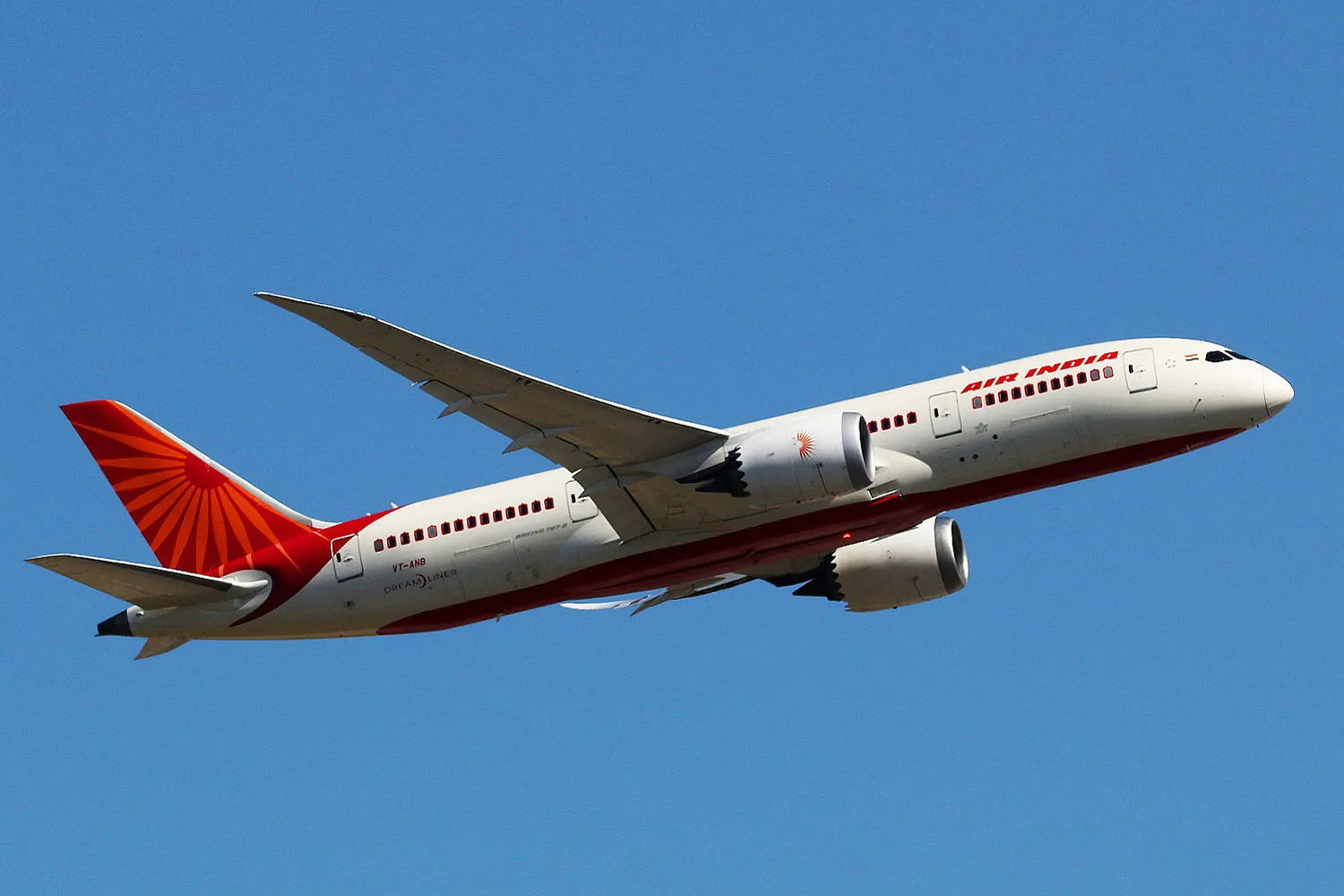
Air India 787 involved in 2025 crash reportedly had years of prior technical issues
A US-based aviation safety campaign group claims that a Boeing 787 Dreamliner operated by Air India and involved in a fatal crash last year had a long history of technical failures, according to a report published by the BBC.
The aircraft, registered VT-ANB, crashed on June 12, 2025, shortly after taking off from Ahmedabad on a flight to London, killing 260 people. The official investigation into the accident remains ongoing.
The Foundation for Aviation Safety, a US advocacy group, says it has obtained documents indicating that the aircraft experienced repeated technical problems from its first day in service with Air India. The group has submitted a presentation outlining its findings to the US Senate Permanent Subcommittee on Investigations, which has previously examined Boeing’s safety culture.
According to the Foundation, the issues included electronics and software faults, repeated circuit breaker trips, wiring damage, short circuits, loss of electrical power and overheating of electrical components. The group also alleges that a fire occurred in January 2022 in one of the aircraft’s P100 power distribution panels, requiring the unit to be replaced.

Preliminary report sparked controversy
The Boeing 787 relies more heavily on electrical systems than earlier generations of commercial aircraft, having replaced several mechanical and pneumatic systems with electrically powered ones. The design approach has previously drawn scrutiny, including after a battery fire on a Japan Airlines 787 in 2013 that led to a temporary global grounding of the type.
The aircraft involved in the Air India crash was among the earliest 787s built, first flying in late 2013 and entering service in early 2014.
India’s Aircraft Accident Investigation Bureau (AAIB) is leading the investigation, with participation from US authorities, given that the aircraft and its engines were designed and manufactured in the United States. A preliminary report released by the AAIB in July sparked controversy after noting that fuel control switches had moved from the “run” to the “cut-off” position shortly after takeoff, depriving the engines of fuel.
That finding led some commentators to suggest possible pilot involvement. However, lawyers for victims, safety campaigners and pilot groups have since argued that focusing on the cockpit crew may be misleading and that potential technical issues with the aircraft should not be ruled out.

The Foundation for Aviation Safety is led by Ed Pierson, a former senior manager at Boeing’s Renton facility, who has been a longstanding critic of the company’s manufacturing and quality control practices. He has described the preliminary AAIB report as inadequate.
The group says its concerns extend beyond the crashed aircraft, citing an analysis of around 2,000 reports of failures affecting hundreds of Boeing 787s in service in several countries. The BBC noted that it has not independently reviewed the documents referenced by the Foundation.
Boeing declined to comment on the allegations, citing the ongoing investigation, and referred inquiries to the AAIB. Air India and the Indian investigation authority have been approached for comment, according to the BBC.
About the Author

Ricardo Meier
Creator of the website that started in 1996 as a magazine. He also writes on Brazilian websites AUTOO, MOTOO and MetrôCPTM.


