 Air Transport
AirAsia confirms talks with COMAC to potential acquisition of C919 jets
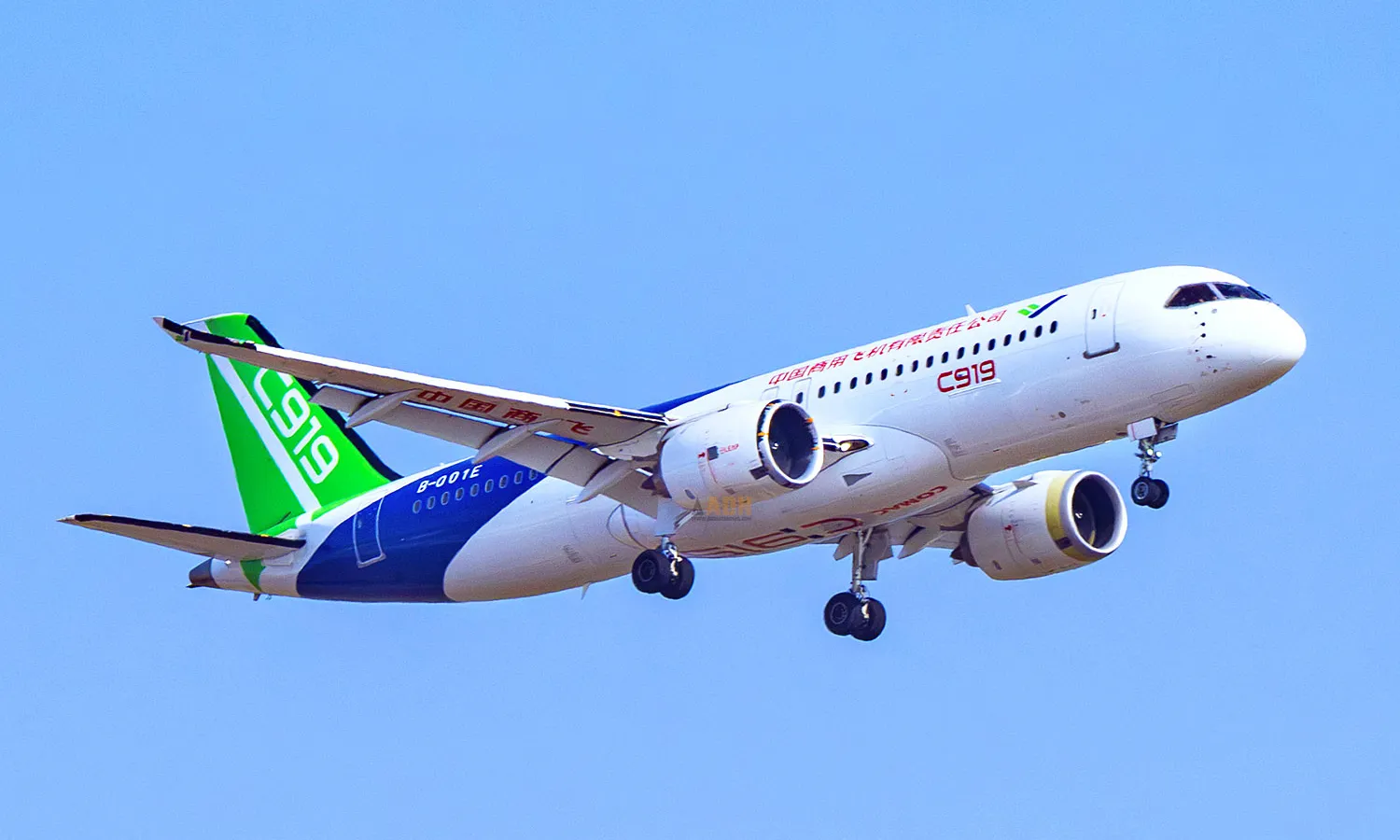
Capital A, parent company of Malaysia-based AirAsia carrier has entered negotiations with China’s COMAC regarding a possible acquisition of C919 airliner. CEO Tony Fernandes confirmed the talks, noting the move aims to serve the growing Southeast Asian market, which comprises around 700 million people.
The C919, which began commercial operations with Chinese airlines in May 2023, is designed to carry between 158 and 174 passengers over a maximum range of approximately 3,000 nautical miles. To date, the aircraft has transported over 1.5 million passengers on domestic routes within China.
Fernandes highlighted the suitability of the C919 for AirAsia’s network and asserted that pilot transition from the airline’s current Airbus fleet would be straightforward. While no delivery timeline has been disclosed, Fernandes suggested the process could advance sooner than industry expectations.
“Most of the West is not taking the COMAC aircraft seriously; I can tell you it’s a fantastic aircraft. We are very serious,” said AirAsia CEO.

Lack of type certification abroad
Compared to the Airbus A320neo, a mainstay of AirAsia’s fleet, the C919 offers slightly lower capacity and range, but is believed to be more competitively priced.
Malaysian Transport Minister Anthony Loke encouraged COMAC to intensify its international marketing efforts, stating that foreign operation of the C919 would help build trust in the aircraft.

“The moment you have a foreign airline flying your plane, the confidence will go up, and you become an international player,” Loke said. “Even if you get 10 planes flown by a foreign airline, you’ll make a lot of difference because that is a recognition of the safety and reliability of the aircraft.”
If finalized, the purchase would position AirAsia as the first non-Chinese airline to operate the C919, providing COMAC with an entry point into international markets.
The aircraft is viewed as a Chinese alternative to established Western models from Airbus and Boeing (737 MAX). However, COMAC still faces challenges in securing type certification for the C919 from key global regulators, including the FAA and EASA.
About the Author

Ricardo Meier
Creator of the website that started in 1996 as a magazine. He also writes on Brazilian websites AUTOO, MOTOO and MetrôCPTM.


