 Defense
Belgium and Dassault Clash Over FCAS and F‑35 Deal
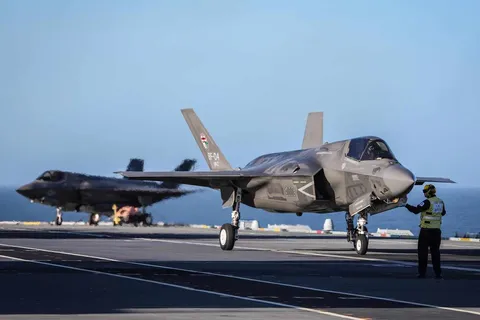
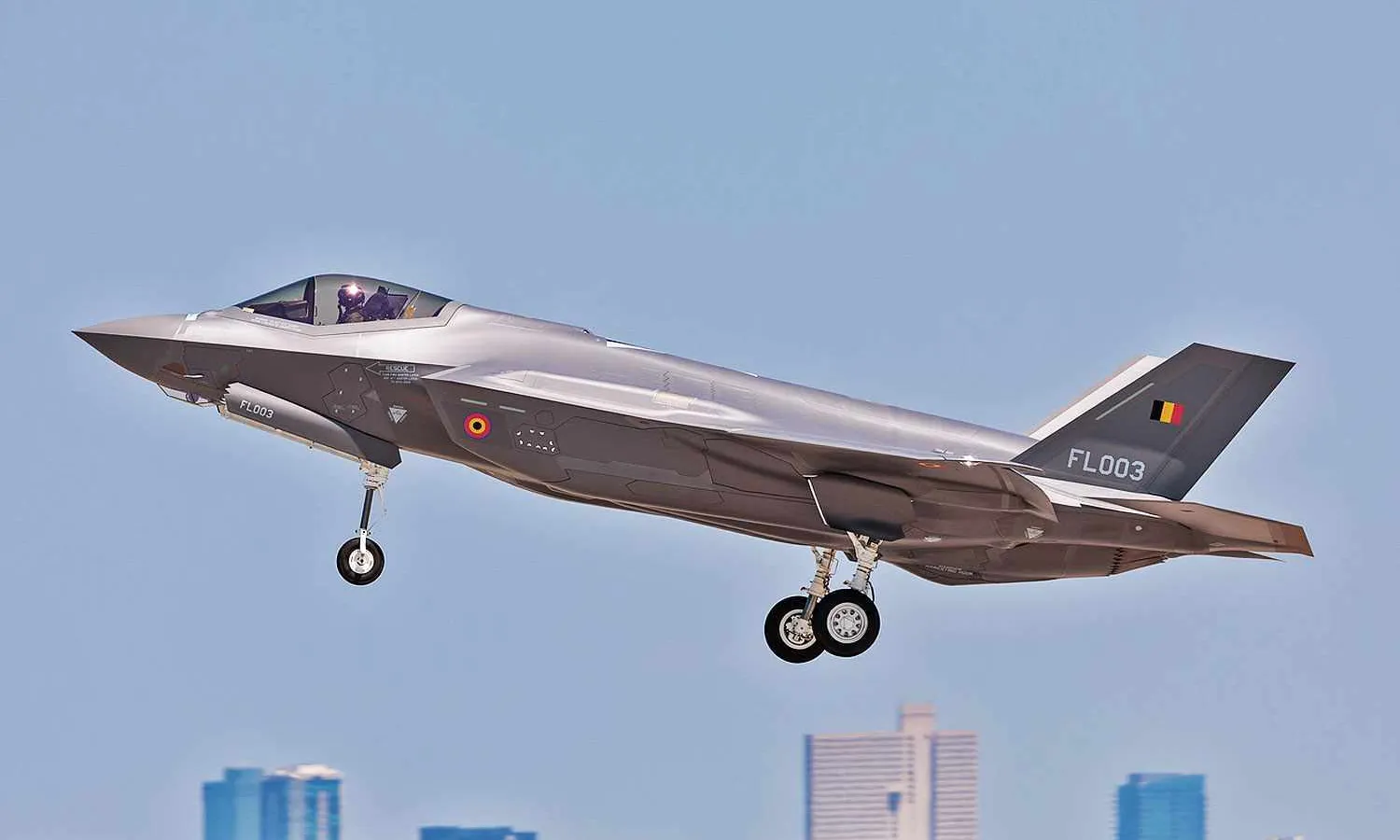
A war of words erupted between Dassault Aviation and the Belgian government, spotlighting deeper fractures in Europe’s efforts to build a unified defense industry. The confrontation follows Belgium’s decision to purchase 11 additional F‑35A fighters just months after investing €300 million to become a full participant in the Future Combat Air System (FCAS) program.
Dassault CEO Eric Trappier did not mince words, accusing Brussels of double-dealing. “If Belgium dropped the F‑35, they’d be welcome. Otherwise, they’re taking us for fools,” he said in a statement that ignited strong reactions across Europe’s defense sector.
Belgian Defense Minister Theo Francken fired back, calling Trappier “arrogant” and announcing that Belgium would reconsider its future in the FCAS. “We are founding members of NATO and the EU. We do not take lectures from industry executives,” he said.

The FCAS program was launched as a symbol of European strategic autonomy, intended to deliver a sixth-generation fighter system by 2040. But internal disputes have plagued it from the outset—chiefly over leadership roles, technology sharing, and how to accommodate countries like Belgium that straddle European and U.S. defense ties.
Symbolic Fallout More Than Structural Damage
Belgium’s renewed F‑35 order has only sharpened French skepticism about its commitment to the project. Dassault, as the lead developer of the manned combat aircraft component, has long viewed Belgium’s participation with caution, especially after Brussels first selected the F‑35 in 2018.
Technically, Belgium’s exit from the FCAS would have limited impact. But symbolically, it fuels the perception that Europe still struggles to maintain a unified defense posture, even amid growing geopolitical threats.

Trappier has also renewed criticism of the FCAS governance model and hinted that Dassault might reconsider its own participation if no structural changes are made.
While Belgium may not be central to the FCAS roadmap, the controversy underscores a critical truth: without strategic coherence and shared political will, the continent’s flagship defense initiatives remain vulnerable to division—both within and beyond.
About the Author

Ricardo Meier
Creator of the website that started in 1996 as a magazine. He also writes on Brazilian websites AUTOO, MOTOO and MetrôCPTM.