 Air Transport
Boeing 737 MAX 7 and MAX 10 Certification Delayed to 2026 - Report
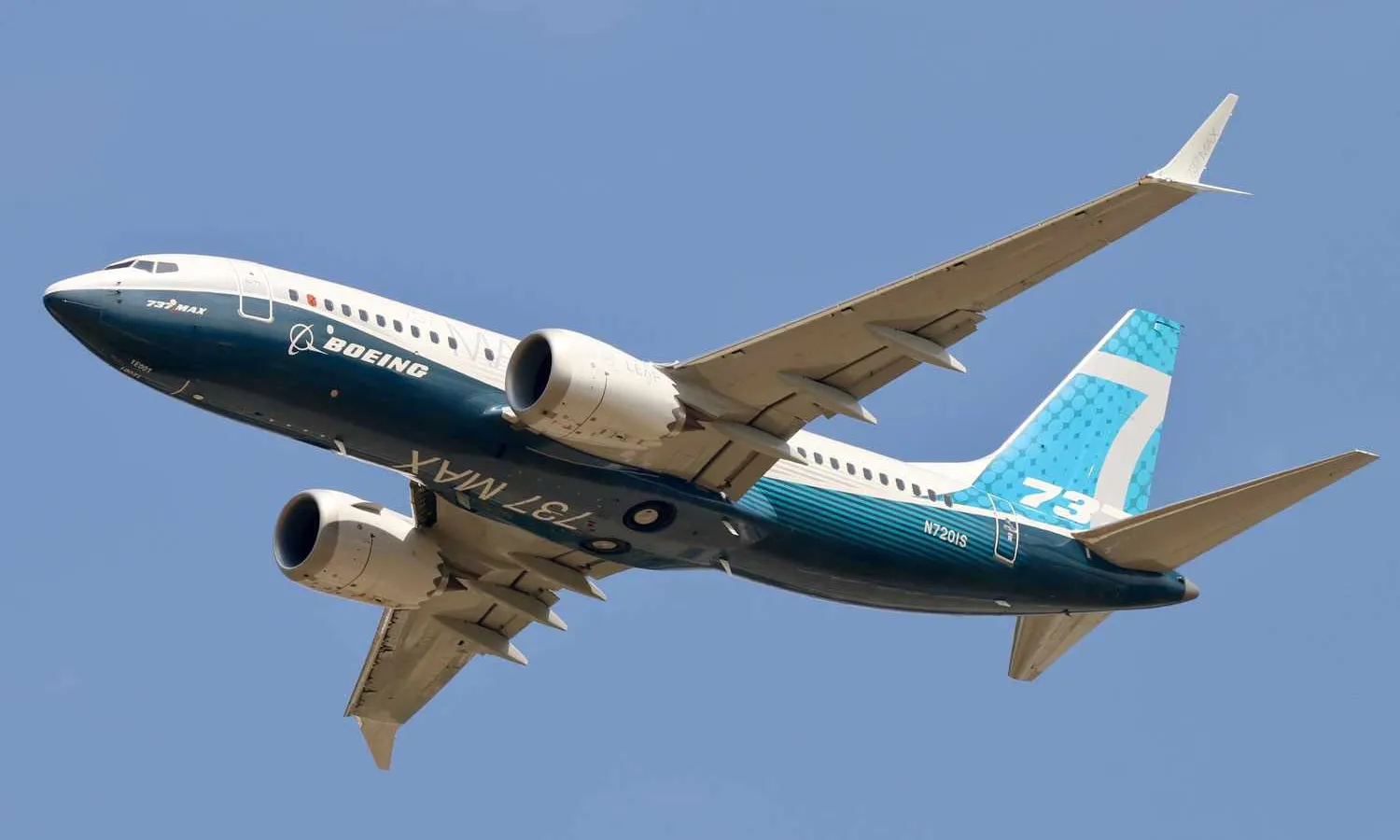
The certification of Boeing’s 737 MAX 7 and 737 MAX 10 would be slipped into 2026 due to a persistent technical flaw in the aircraft’s engine anti‑ice system, reported The Air Current according to sources.
The delay was confirmed by executives at Southwest Airlines, the largest customer for the model, and marks another challenge for Boeing’s narrowbody program.
The issue centers around potential overheating in the carbon-composite engine inlet when the anti‑ice system is active. The flaw can lead to structural damage or debris release, posing serious safety risks.
Although the problem also affects in-service MAX 8 and 9 jets, Boeing has pledged to the FAA and U.S. Congress that it will fully resolve the issue before the MAX 7 and MAX 10 are certified.
Southwest CEO Bob Jordan told reporters that the airline no longer expects to operate the MAX 7 in 2025. “We’re now targeting 2026, depending on Boeing’s technical progress,” he said. The MAX 7 was intended to replace aging 737-700s in the airline’s fleet.

WestJet will now be the launch customer for the 737 MAX 10
Boeing had initially requested an exemption from the FAA to certify the MAX 7 with the existing design, but withdrew that request in January 2024 following mounting regulatory and political pressure.
In a statement to The Air Current, Boeing said: “We are maturing a technical solution that includes design updates. The modifications would be included in the baseline certification of the 737-7 and 737-10. We will continue to work under the FAA’s rigorous oversight to meet safety requirements.”
The setback also affects the 737 MAX 10, with certification and deliveries now also pushed into 2026. Launch customers impacted include WestJet in Canada and Alaska Airlines, which had previously expected first deliveries by late 2025.
Meanwhile, the delay adds further strain to Boeing’s 737 production line, which is under FAA review before any ramp-up in output can proceed.
About the Author

Ricardo Meier
Creator of the website that started in 1996 as a magazine. He also writes on Brazilian websites AUTOO, MOTOO and MetrôCPTM.


