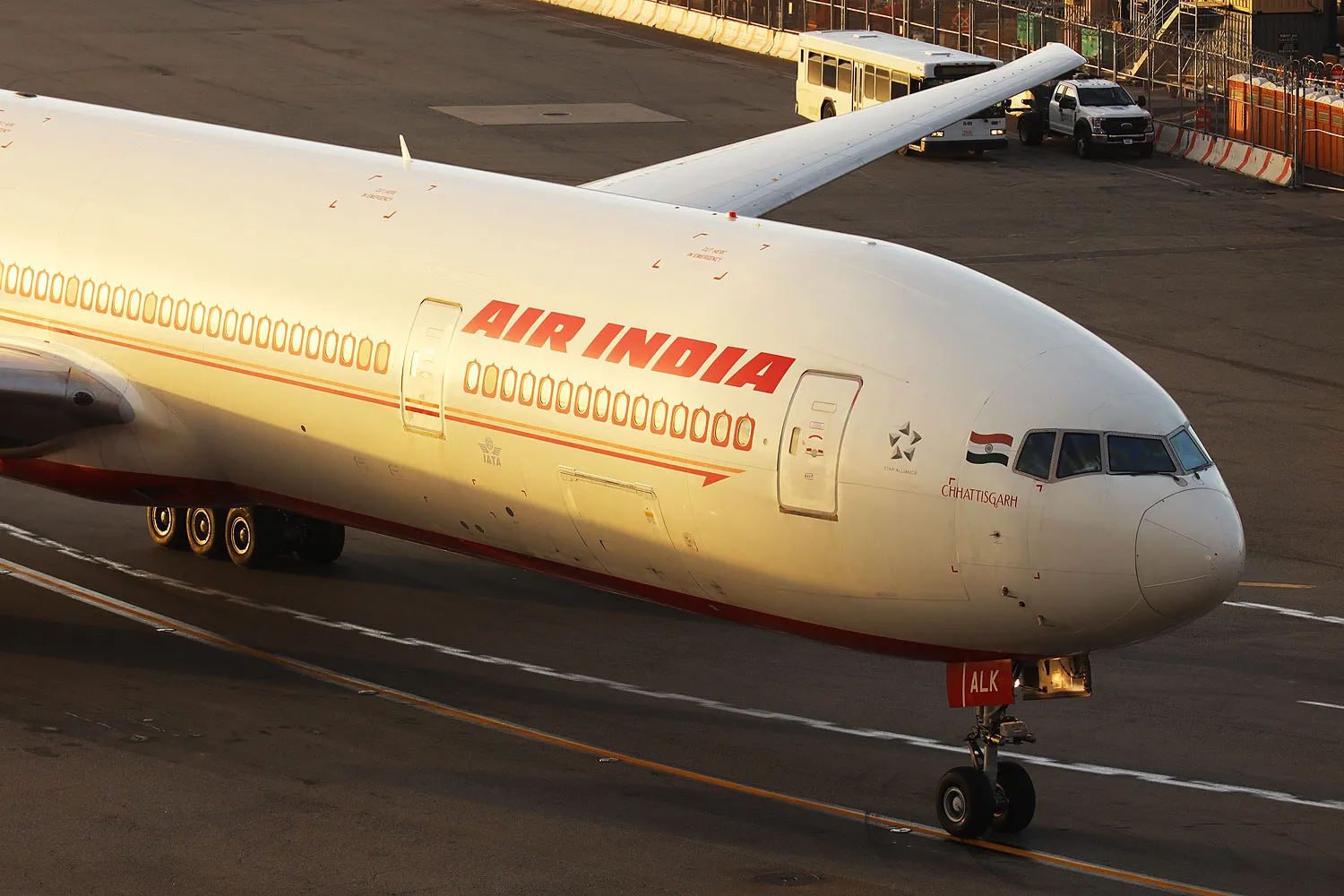
Boeing and Air India's recovery put under pressure by 787 crash
The crash of the 787-8 Dreamliner in Ahmedabad, India, on Thursday, the worst aviation accident in a decade, has put Boeing and Air India under pressure.
Although the cause of the accident is far from being revealed – an investigation has been opened by the DGCA, India’s civil aviation regulator – the fact is that the two companies have once again faced suspicion amid a tough recovery process.
A former inefficient state-owned airline, Air India was bought by the Tata Group in 2022, the country’s largest private company, which announced plans to transform it into a world-class carrier capable of rivaling Emirates Airline.

Hundreds of Boeing and Airbus planes were ordered, a new, more modern logo was adopted and Air India began to seek higher flights.
But the troubled past still seems to persist, with an aging fleet and distrust regarding the airline’s ability to perform adequate maintenance services.
With 30% of the domestic market, Air India is behind the agile IndiGo, a low-cost carrier that also has plans to expand long-haul flights.
The challenge for the Indian airline is to correct the flaws from its time as a state-owned company, when delayed flights, lack of parts and dissatisfied customers were common, and also to grow, since the country’s air travel market is considered one of the most potential in the world.

Trip to the Paris Air Show canceled
On the other side of the planet, Boeing’s headquarters experienced another dark day after a truce in recent months.
The US planemaker is recovering at the cost of successive crises in safety, quality and finances and seemed to be emerging from the nightmare, with new contracts announced, production rising and shares recovering.
But the first fatal accident involving the 787 Dreamliner, the pride of its commercial jet line, has once again put the company on the spot.
Crisis mode has been activated again, and CEO Kelly Ortberg has canceled his appearance at the Paris Air Show next week to focus on the developments of the accident.

Although the crash does not have elements similar to those that led to the accidents and incidents involving the 737 MAX, it is worth waiting for the information that will be revealed by the flight and voice recorders, as well as other data collected by the investigation.
The 787-8 VT-ANB was an aircraft that had been in flight for 11 years, so the hypothesis of a manufacturing problem seems unlikely. There are almost 1,200 jets like this in service, which means that new serious failures are less likely to occur.
But past mismanagement in dealing with these problems, such as the crash of two 737 MAX 8s and the in-flight explosion of a 737 MAX 9 door plug last year, show that you can never be too careful.
About the Author

Ricardo Meier
Creator of the website that started in 1996 as a magazine. He also writes on Brazilian websites AUTOO, MOTOO and MetrôCPTM.


