 Air Transport
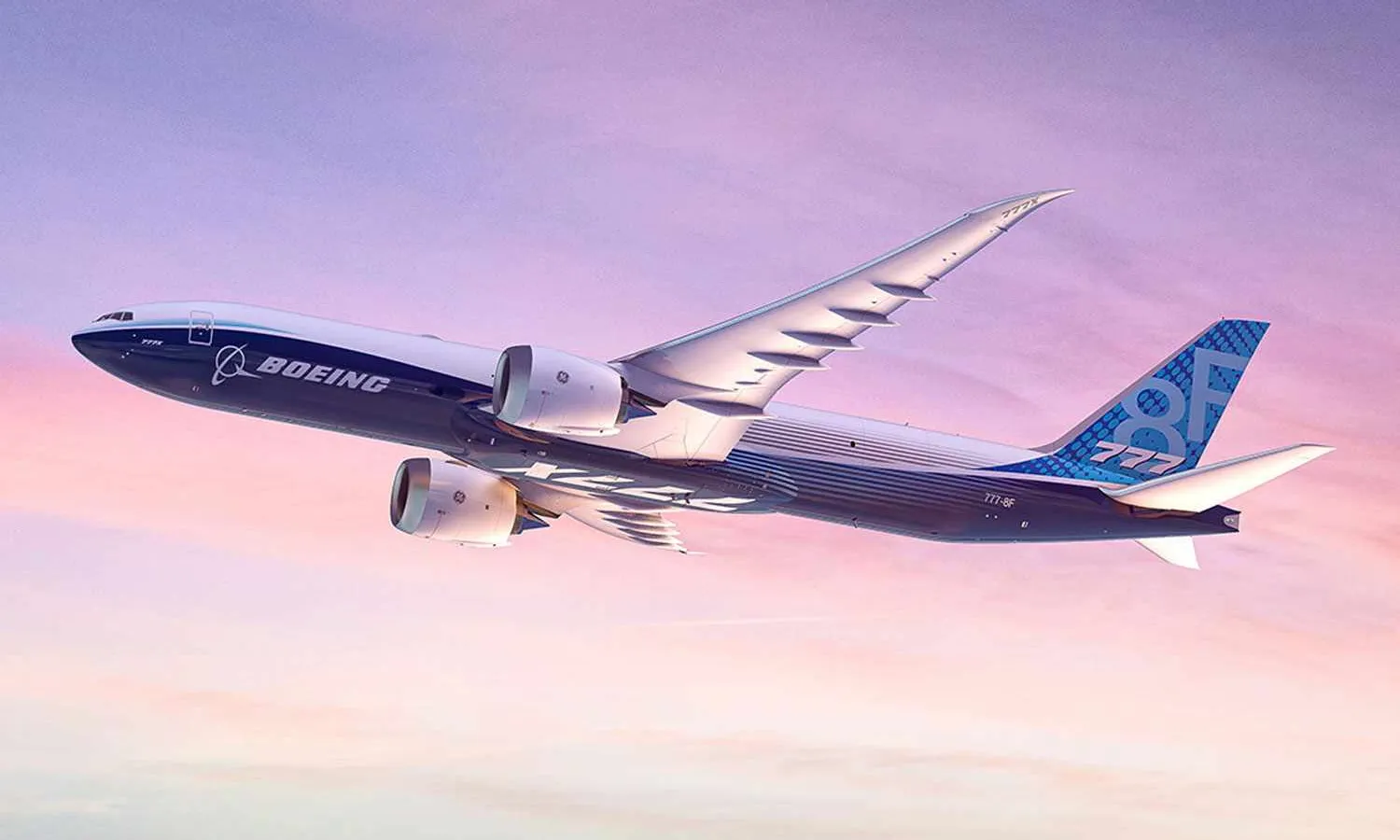
Boeing Begins Building First Wing for 777-8 Freighter
Boeing has officially started building wing components for the first 777-8 Freighter, the cargo variant of its new-generation 777X family. Mechanics at the company’s Composite Wing Center have completed the first wing spar, a 100-foot-long composite beam that forms the backbone of the aircraft’s wing.
The spar, along with skin panels and stringers, are part of the structural elements that provide the wing with both strength and aerodynamic shape. The milestone marks the beginning of physical production for the 777-8F, with contributions from key suppliers including Mitsubishi Heavy Industries, Kawasaki Heavy Industries, and Subaru.
“We’re excited to be building wings for the new freighter,” said Dan Truong, process center leader at Boeing. “This is a great step forward, and I look forward to seeing this airplane fly knowing we played a part.”

More than 80% of the design drawings for the aircraft have already been completed, and Boeing teams are now performing detailed system integration and lab testing. The aircraft’s first delivery is expected in 2028.
The 777-8 Freighter is designed to replace aging 77F and 747-400F aircraft while maintaining nearly identical payload capacity. Boeing promises a 30% reduction in fuel use and emissions, 25% lower operating costs per tonne, and a 60% smaller noise footprint compared to previous models link the 777F.

The ICAO (International Civil Aviation Organization) has determined that freighters such as the 767F and 777F will no longer be produced from 2027 onwards, for environmental reasons.
Since its launch in 2022, Boeing has received 59 orders for the 777-8F. The freighter is part of a broader 777X family that also includes the 777-9 and the long-range passenger variant 777-8.
According to Boeing’s 2025 Current Market Outlook, the global cargo fleet is projected to grow by two-thirds by 2044, with demand for nearly 900 new large widebody freighters, including the 777-8F.

About the Author

Ricardo Meier
Creator of the website that started in 1996 as a magazine. He also writes on Brazilian websites AUTOO, MOTOO and MetrôCPTM.


