 Defense
Boeing Defense Strike Disrupts Fighter Jet Production After Contract Rejection
More than 3,200 Boeing workers responsible for assembling military aircraft have gone on strike after rejecting a revised contract offer on August 3.
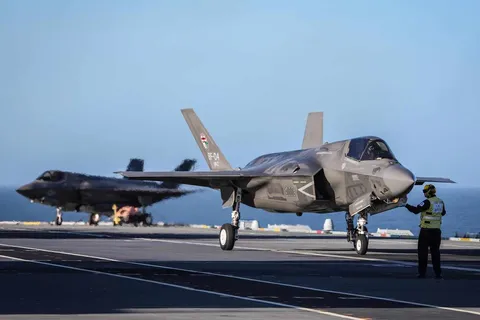
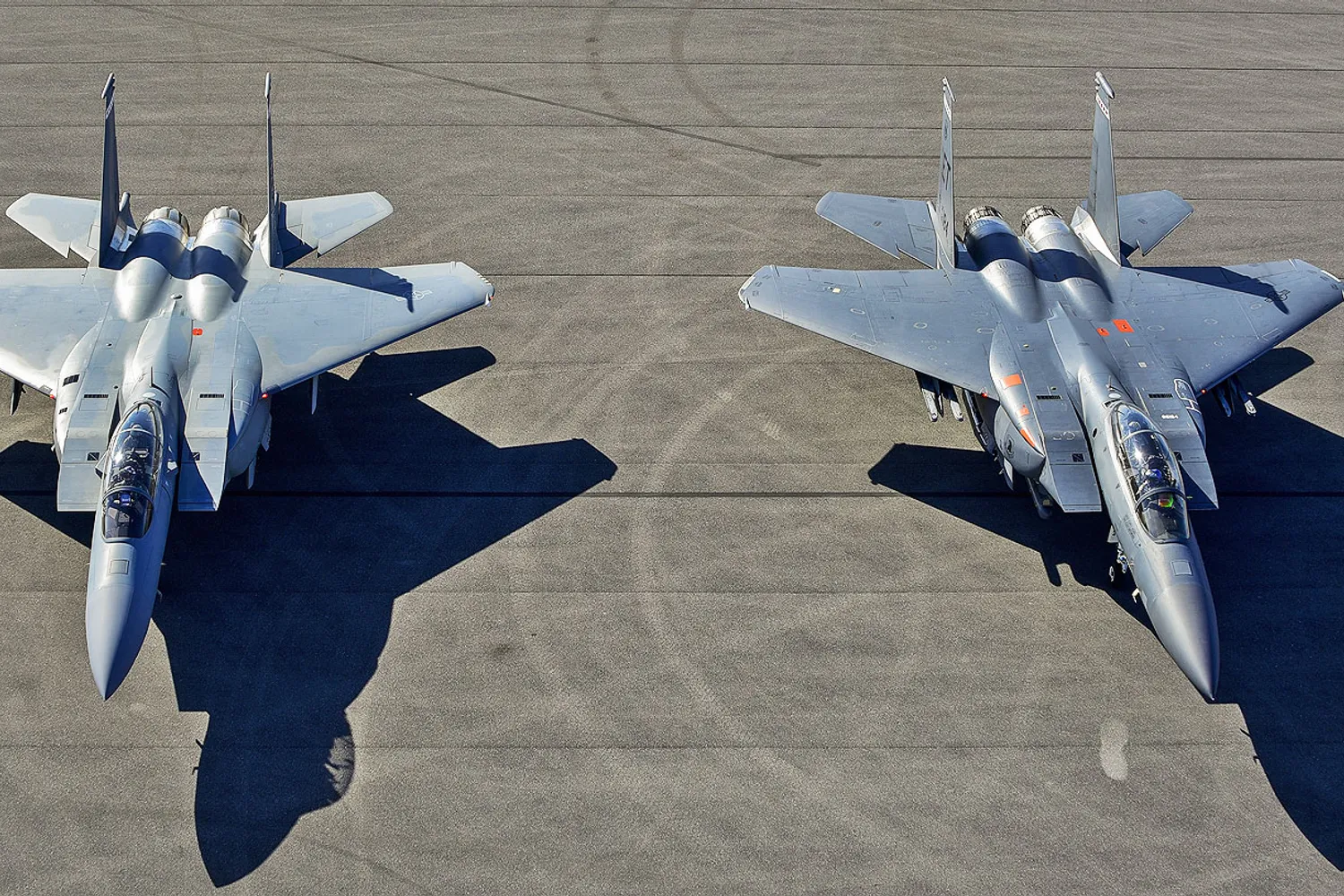
The strike, led by the International Association of Machinists and Aerospace Workers (IAM) District 837, involves workers at Boeing’s St. Louis and St. Charles (Missouri) facilities and Mascoutah (Illinois), and halts production of major defense platforms including the F-15EX, F/A-18 Super Hornet, T-7 Red Hawk, and MQ-25 Stingray.
Boeing’s revised offer included a 20% general wage increase, an average 40% rise in total compensation, a $5,000 signing bonus, pension benefit improvements, and added vacation and sick leave.
Despite these terms, union members voted for a walkout, stating the deal still fell short of meeting expectations for fairness and recognition of their role in national defense.

“The message is clear: our members deserve a contract that reflects their skills and dedication,” said IAM District 837’s Tom Boelling.
This is the second major strike Boeing has faced in two years. In 2024, the company endured a 53-day walkout by 33,000 commercial aircraft workers in the Pacific Northwest. Boeing CEO Kelly Ortberg acknowledged the disruption but downplayed its scale: “This is much smaller than what we faced last fall. We’ll manage through it.”
Boeing Defense says it has activated contingency plans using non-union labor to maintain operations. However, delays may affect high-priority programs, including the recently awarded F-47A fighter jet for the U.S. Air Force, for which the company is expanding production facilities in the St. Louis region.
The strike underscores ongoing labor tensions at Boeing amid rising demand for military aircraft and a growing need to stabilize its defense manufacturing pipeline.
About the Author

Ricardo Meier
Creator of the website that started in 1996 as a magazine. He also writes on Brazilian websites AUTOO, MOTOO and MetrôCPTM.