 Defense
Boeing Downplays Impact of Potential Strike at St. Louis Fighter Jet Plant
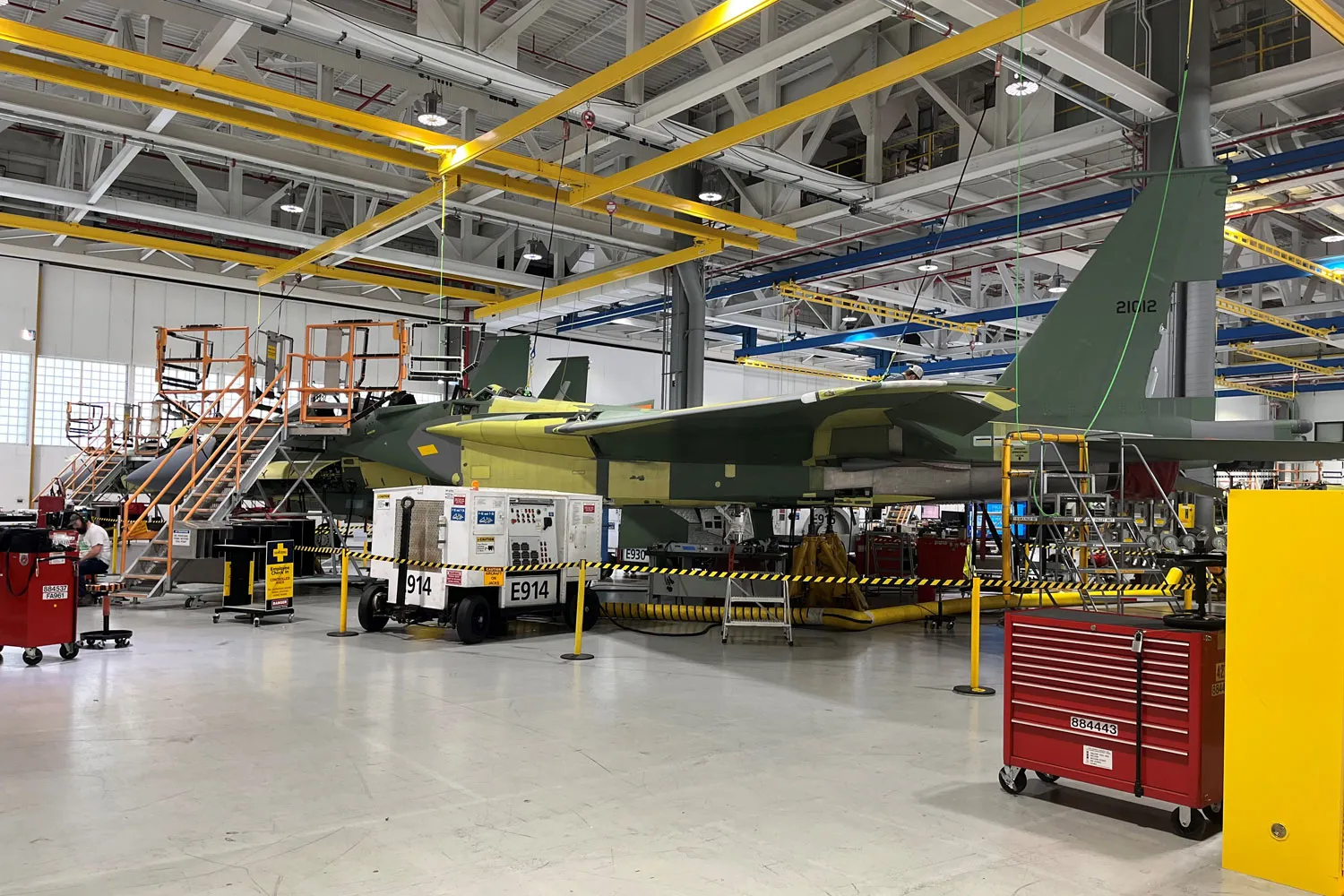
Boeing CEO Robert “Kelly” Ortberg said that a potential strike involving approximately 3,200 workers at the company’s St. Louis and St. Charles defense facilities poses limited risk to operations. The employees in question build fighter jets and munitions, including the F-15EX and F/A-18 Super Hornet.
Speaking during Boeing’s Q2 earnings call on July 29, Ortberg contrasted the current situation with last year’s major labor stoppage involving 30,000 machinists at the company’s commercial division.
“We’ll manage through this,” Ortberg said. “I wouldn’t worry too much about the implications of the strike.”
Smarter contracts, fewer risks
Ortberg emphasized Boeing’s new approach to defense contracting, avoiding risky fixed-price development programs and favoring cost-plus structures. This shift, he said, is key to regaining stable mid- to high-single-digit margins in the company’s Defense, Space & Security (BDS) unit.

Programs like the T-7 Red Hawk, developed in partnership with Saab, are now examples of active management strategies being replicated across other major contracts.
“We’re not making the mistakes of the past,” Ortberg said. “We’re actively derisking programs and aligning with our customers to improve outcomes.”
Although the BDS division is still working through cost burdens from legacy contracts, Boeing remains confident in its path toward profitability and sustainable performance.
About the Author

Ricardo Meier
Creator of the website that started in 1996 as a magazine. He also writes on Brazilian websites AUTOO, MOTOO and MetrôCPTM.