 Air Transport
Boeing has begun designing a replacement for the 737 MAX - report
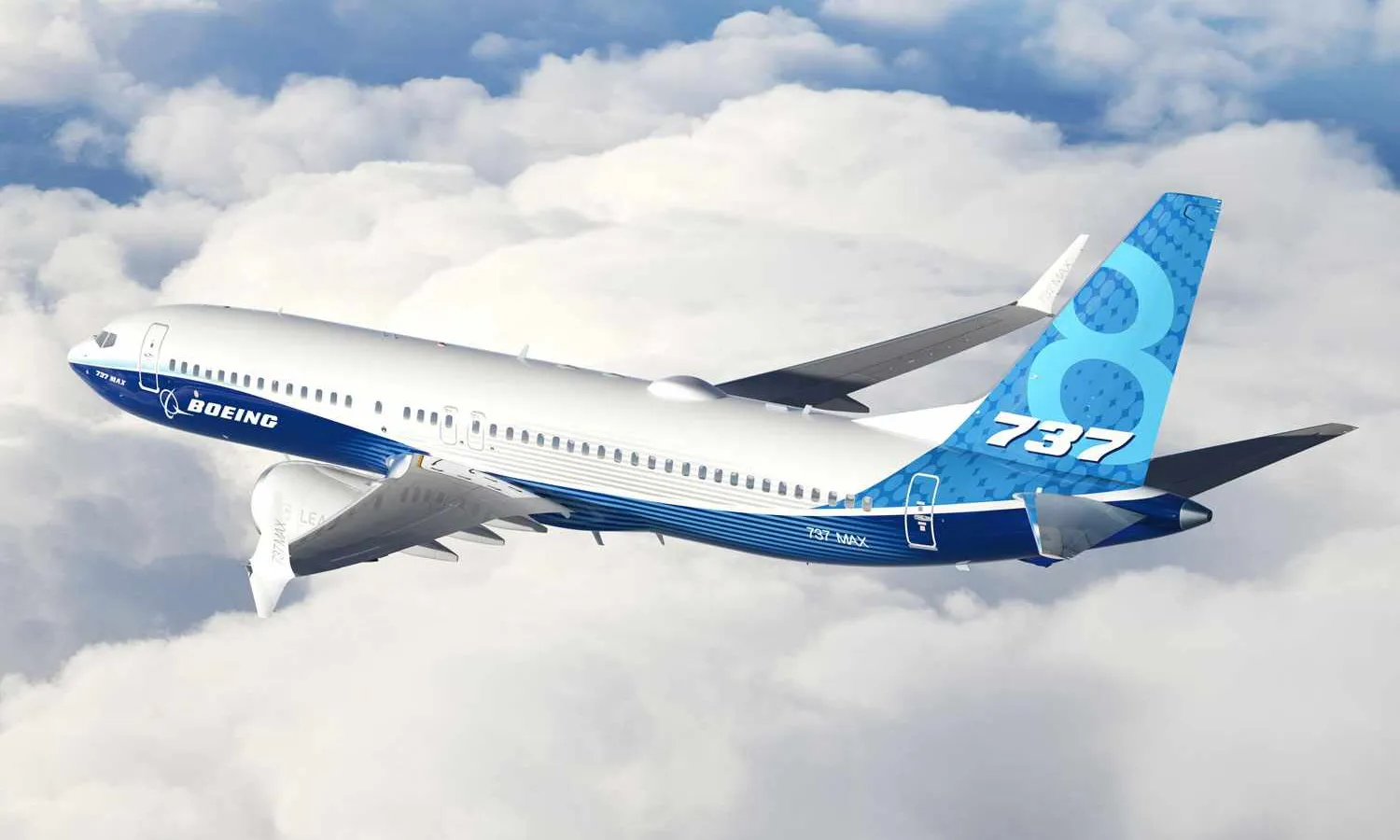
Boeing has begun early-stage planning for a new single-aisle aircraft intended to eventually replace the 737 MAX, according to Wall Street Journal.
Planning for the new passenger plane comes as the manufacturer continues to face regulatory and operational challenges following high-profile incidents involving its current narrowbody fleet.
Reports confirm that the company entered initial discussions with Rolls-Royce regarding potential engine options for the future jet, signaling a renewed focus on next-generation propulsion systems. The development process remains at a preliminary stage, with the design of the flight deck and cabin still under consideration.
The 737 MAX, introduced in 2017, was grounded worldwide in 2019 after two fatal accidents in Indonesia and Ethiopia that resulted in the deaths of 346 people. These events led to significant financial losses for Boeing, along with lawsuits, regulatory investigations, and a criminal probe by the U.S. Department of Justice.

The Federal Aviation Administration (FAA) lifted the grounding order in 2020, but regulatory scrutiny around the MAX persists. In early 2024, the FAA imposed a cap of 38 aircraft produced per month following an incident involving Alaska Airlines, further impacting Boeing’s delivery schedule.
The authority for Boeing to issue airworthiness certificates for the MAX was only partially restored this week, after being suspended in 2019.
The 737 series, originally developed in the late 1960s, has undergone multiple updates but now faces limitations compared to the Airbus A320 family.
The A320 features a wider cabin and taller landing gear, accommodating larger, more efficient engines. Boeing had previously studied alternative concepts, including the Sustainable Flight Demonstrator (SFD) project with a transonic truss-braced wing, but these efforts have been scaled back.

Boeing reports a backlog of approximately 6,000 commercial aircraft, prioritizing deliveries while navigating ongoing regulatory oversight.
Although there is no target date for the new aircraft to enter service, development timelines suggest it should occur in the middle of the next decade.
Airbus is already working on a successor to the A320 family after postponing studies on hydrogen-powered aircraft. One of the European aircraft maker’s plans is the use of the Open Rotor engine, which is under development and promises significant fuel consumption reductions.
About the Author

Ricardo Meier
Creator of the website that started in 1996 as a magazine. He also writes on Brazilian websites AUTOO, MOTOO and MetrôCPTM.


