 Industry
Boeing flags new GE9X durability issue as 777-9 certification continues
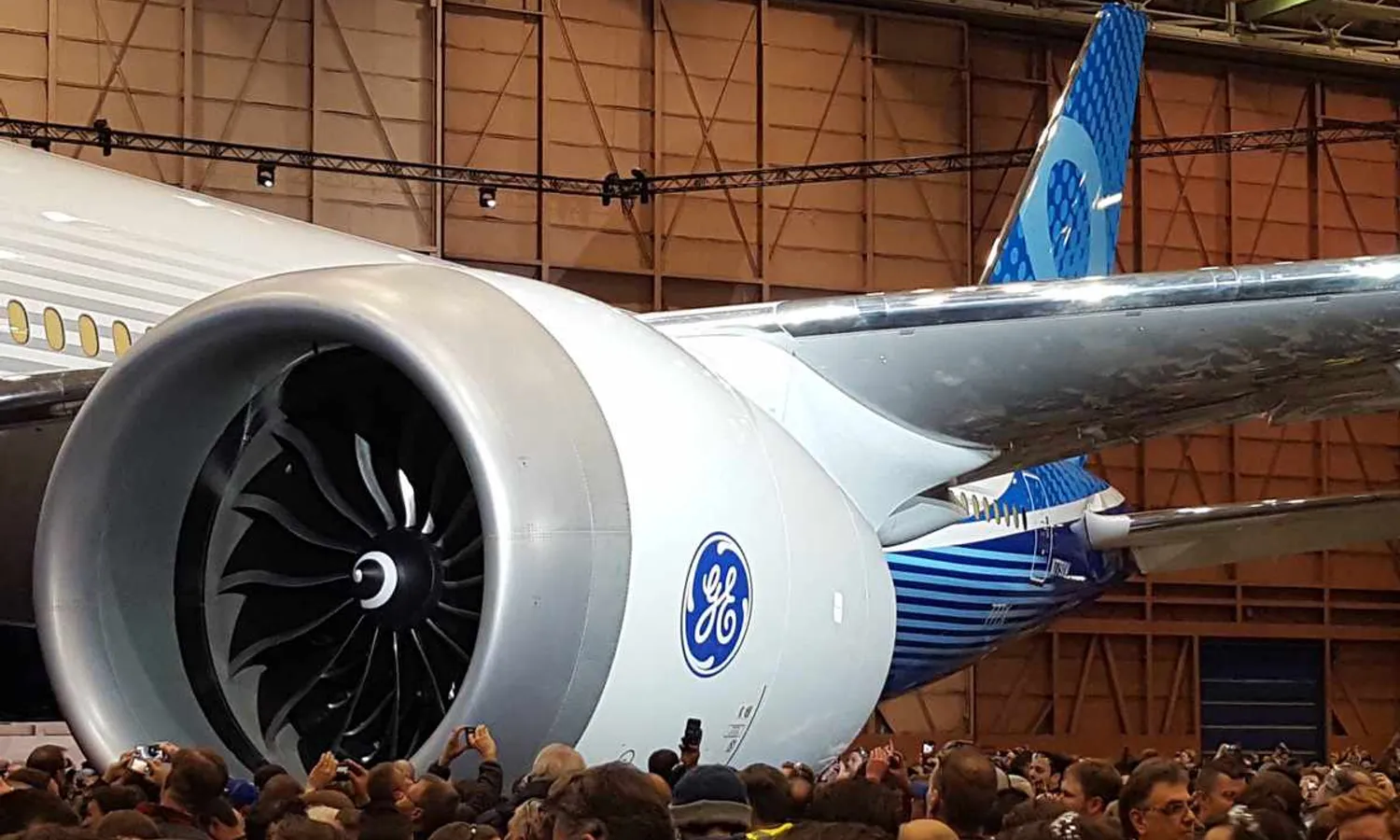
A new durability issue has been identified affecting the GE9X engines that power the Boeing 777-9, adding to a series of technical challenges faced by the long-delayed widebody program. The issue was confirmed by Boeing during its full-year financial results briefing.
According to Boeing, the problem was discovered during a recent inspection of the GE9X turbofan and is now under joint analysis with GE Aerospace. The engine manufacturer said it has launched an on-wing inspection program to support Boeing while the root cause is investigated and corrective actions are defined.
Despite the finding, Boeing said it does not expect the issue to delay the planned entry into service of the 777-9 in 2027. Speaking during the company’s earnings call, chief executive Kelly Ortberg said certification flight testing is continuing while the durability concern is addressed, without providing details on the affected components.

Follow us: WhatsApp | BlueSky | Google News | Instagram | LinkedIn | Facebook
The GE9X, developed by GE Aerospace, is the most powerful commercial jet engine ever certified, producing around 105,000 lb of thrust. It was designed exclusively for the 777X family, with the 777-9 as its lead variant.
Thrust links
The latest issue adds to a history of engine-related and structural problems that have repeatedly interrupted the 777-9 program. In 2024, Boeing grounded the test fleet for five months after discovering failures in titanium thrust links connecting the engines to the airframe.
Earlier pauses included a temperature-related GE9X issue identified in 2022 and durability problems involving high-pressure compressor stator vanes that emerged during flight testing in 2019.

The 777-9 certification effort remains under close oversight by the Federal Aviation Administration, which has adopted a more segmented approach to approving Type Inspection Authorization (TIA) phases for Boeing programs. In the fourth quarter of 2025, the regulator cleared the aircraft to begin TIA Phase 3, covering avionics, environmental control systems and the auxiliary power unit.
Boeing said both the aircraft and engines continue to perform as expected in flight testing, aside from the newly identified durability concern. The manufacturer maintains that the current findings do not change its certification and delivery timeline.
The disclosure came as Boeing reported a return to profitability in 2025, posting net income of $2.2 billion on revenue of $89.5 billion.
About the Author

Ricardo Meier
Creator of the website that started in 1996 as a magazine. He also writes on Brazilian websites AUTOO, MOTOO and MetrôCPTM.