 Air Transport
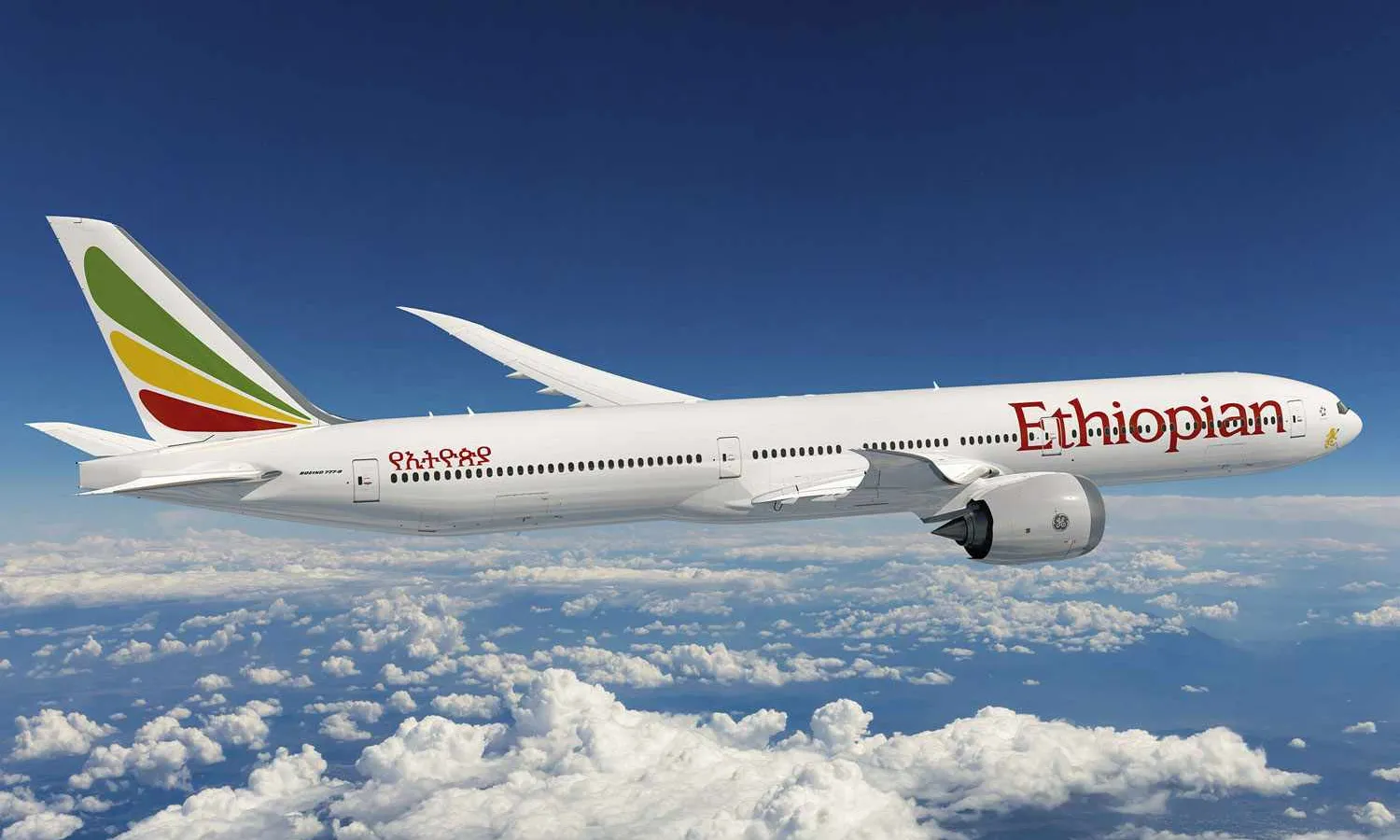
Boeing lifts Africa aircraft demand forecast to 1,700 jets over 20 years
Boeing has raised its long-term forecast for aircraft demand in Africa, projecting that airlines on the continent will require about 1,700 new commercial aircraft over the next 20 years.
The updated outlook, presented this week in Nairobi by Boeing’s Managing Director for Africa, Henok Teferra Shawl, represents a 40% increase from last year’s forecast of 1,200 aircraft and a substantial jump from the roughly 1,000 units projected three years ago.
The company links the revised forecast to accelerating economic expansion and rising passenger traffic. According to International Monetary Fund projections cited by Boeing, Sub-Saharan Africa’s economy is expected to grow by 4.6% in 2026, above the global average. Boeing estimates that air traffic across the continent will expand at an average annual rate of about 6% over the next two decades.
Under Boeing’s 2025 Commercial Market Outlook for Africa, the region’s commercial fleet is expected to more than double to nearly 1,680 aircraft by 2044. The forecast includes both fleet growth and replacement of older jets.

Single-aisle aircraft are expected to account for roughly two-thirds of total demand. Boeing said this reflects continued expansion of domestic and short-haul regional routes, as carriers strengthen point-to-point connectivity within Africa and to nearby markets.
The manufacturer also pointed to implications beyond aircraft sales. A larger fleet would require expanded maintenance capacity, training infrastructure and workforce development, including new pilots, technicians and cabin crew.
Growth in passenger aircraft is also expected to support freight activity, with additional demand for dedicated freighters as intra-African trade and global logistics links expand.
Boeing’s forecast comes as global supply chain constraints continue to affect aircraft production and delivery schedules, posing potential challenges for African carriers seeking to expand fleets in line with projected demand.
About the Author

Ricardo Meier
Creator of the website that started in 1996 as a magazine. He also writes on Brazilian websites AUTOO, MOTOO and MetrôCPTM.


