 Industry
Boeing returns to profit in 2025 as revenues rise and losses narrow across divisions
Boeing ended 2025 with a return to net profitability, reporting earnings of $2.2 billion after posting a loss of $11.8 billion the previous year. Revenue rose to $89.5 billion, up 34% year over year, marking the company’s strongest top-line performance since 2018. Operating cash flow also turned positive, reaching $1.1 billion for the full year, compared with a $12.1 billion outflow in 2024.
The improvement was driven primarily by higher aircraft deliveries and a one-time gain linked to the sale of parts of Boeing’s Digital Aviation Solutions business. Free cash flow for the year remained negative at $1.9 billion, reflecting continued capital spending and the ongoing cost of stabilizing production.
Commercial Airplanes generated $41.5 billion in revenue in 2025, supported by 600 aircraft deliveries, the highest annual total in seven years. Despite the volume increase, the division still recorded an operating loss of $7.1 billion, highlighting the financial impact of production inefficiencies, certification activity and the integration of Spirit AeroSystems, which Boeing acquired in December.

Within the commercial portfolio, the 737 program increased production to 42 aircraft per month by the fourth quarter. Boeing also received approval to enter the final phase of certification flight testing for the 737-10.
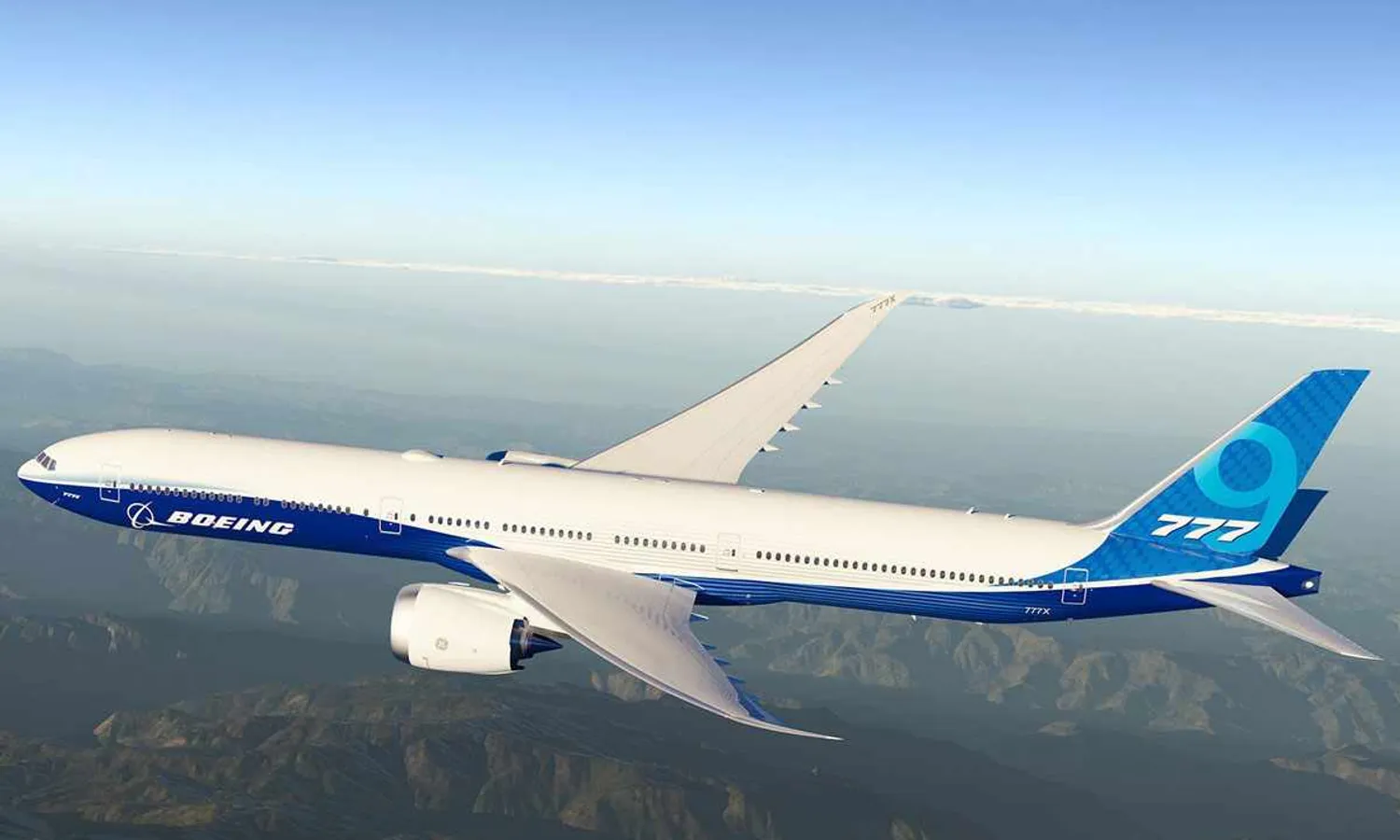
The 787 program transitioned toward a production rate of eight aircraft per month, while the 777X program advanced into the third phase of certification testing for the 777-9, with first delivery still expected in 2027. Commercial backlog reached a record level of more than 6,100 aircraft, valued at $567 billion.
Boeing Defense, Space & Security reported revenue of $27.2 billion for the year and reduced its operating loss to $128 million, compared with a $5.4 billion loss in 2024.
Results continued to be affected by charges on the KC-46A tanker program, although the division secured new orders for KC-46A aircraft and AH-64E Apache helicopters and delivered the first operational T-7A Red Hawk trainer to the U.S. Air Force. Backlog in the defense segment rose to $85 billion, with more than a quarter coming from customers outside the United States.

Global Services posted revenue of $20.9 billion in 2025. The segment’s reported earnings were dominated by a $9.6 billion gain from the sale of Digital Aviation Solutions, which sharply lifted margins. Excluding that transaction, services activity remained largely stable, supported by long-term government and commercial support contracts. The division ended the year with a backlog of $30 billion.
At the end of 2025, Boeing held $29.4 billion in cash and marketable securities, up from $23.0 billion at the end of the third quarter. Total debt stood at $54.1 billion, slightly higher following the Spirit AeroSystems acquisition.
While profitability has returned, Boeing continues to face structural challenges across its manufacturing businesses as it works to restore production stability and rebuild financial resilience.
About the Author

Ricardo Meier
Creator of the website that started in 1996 as a magazine. He also writes on Brazilian websites AUTOO, MOTOO and MetrôCPTM.