 Air Transport
Boeing secures initial FAA and EASA approval for 777-9 simulators
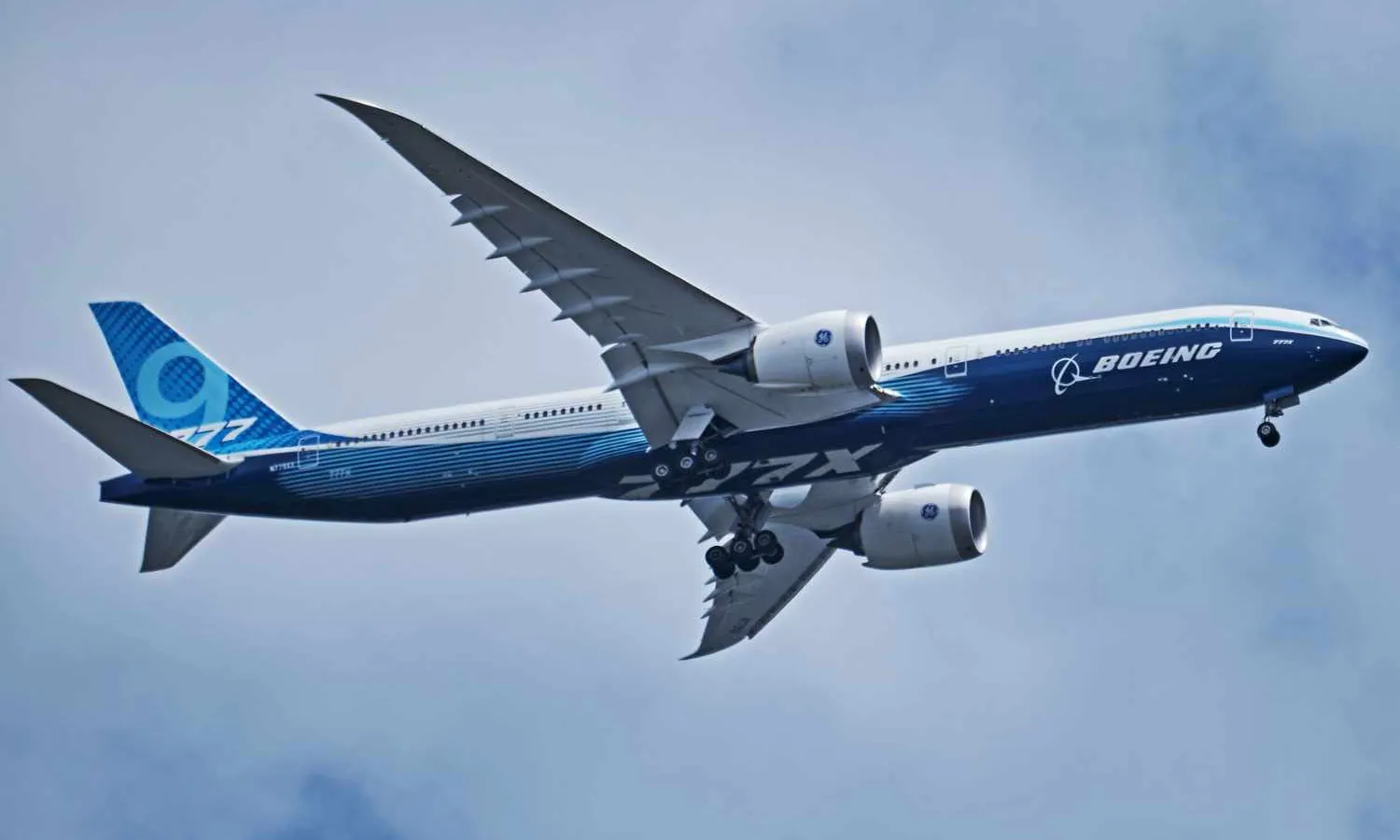
Boeing has received initial qualification from the U.S. Federal Aviation Administration (FAA) and the European Union Aviation Safety Agency (EASA) for flight training devices supporting the 777-9, the first variant of the long-delayed 777X program.
The approvals cover a full-flight simulator and a flight training device installed at Boeing’s training campus in Gatwick, United Kingdom. The devices were developed in partnership with simulator manufacturer CAE and replicate the aircraft’s flight deck systems, flight dynamics and environmental conditions.
The qualification allows the simulators to be used by regulators to validate pilot training courseware ahead of entry into service. Airlines will be able to begin regulator-approved pilot training once final program certification milestones are achieved.
The 777-9 is the largest member of the 777X family and Boeing’s next-generation widebody intended to succeed earlier 777 variants. The program, however, is running several years behind its original schedule following technical issues during flight testing, certification pauses and increased scrutiny from the FAA after multiple high-profile crises affecting Boeing programs.

The FAA has taken a more stringent approach to oversight in recent years, contributing to a slower certification process for the 777X. Entry into service, once targeted for the early 2020s, has been pushed back multiple times as Boeing addressed structural and system-related findings.
The 777-9 features a redesigned flight deck intended to maintain commonality with the 777 and 787 while incorporating larger touchscreen displays, optional dual head-up displays, updated pilot seating and controls for its folding wingtips.
The aircraft is aimed at replacing older widebodies in airline fleets worldwide. The manufacturer aims to introduce the aircraft into service in 2027. Lufthansa will be the launch customer, according to Boeing.
About the Author

Ricardo Meier
Creator of the website that started in 1996 as a magazine. He also writes on Brazilian websites AUTOO, MOTOO and MetrôCPTM.


