 Air Transport
Boeing shifts 787 engineering to South Carolina as Dreamliner output rises
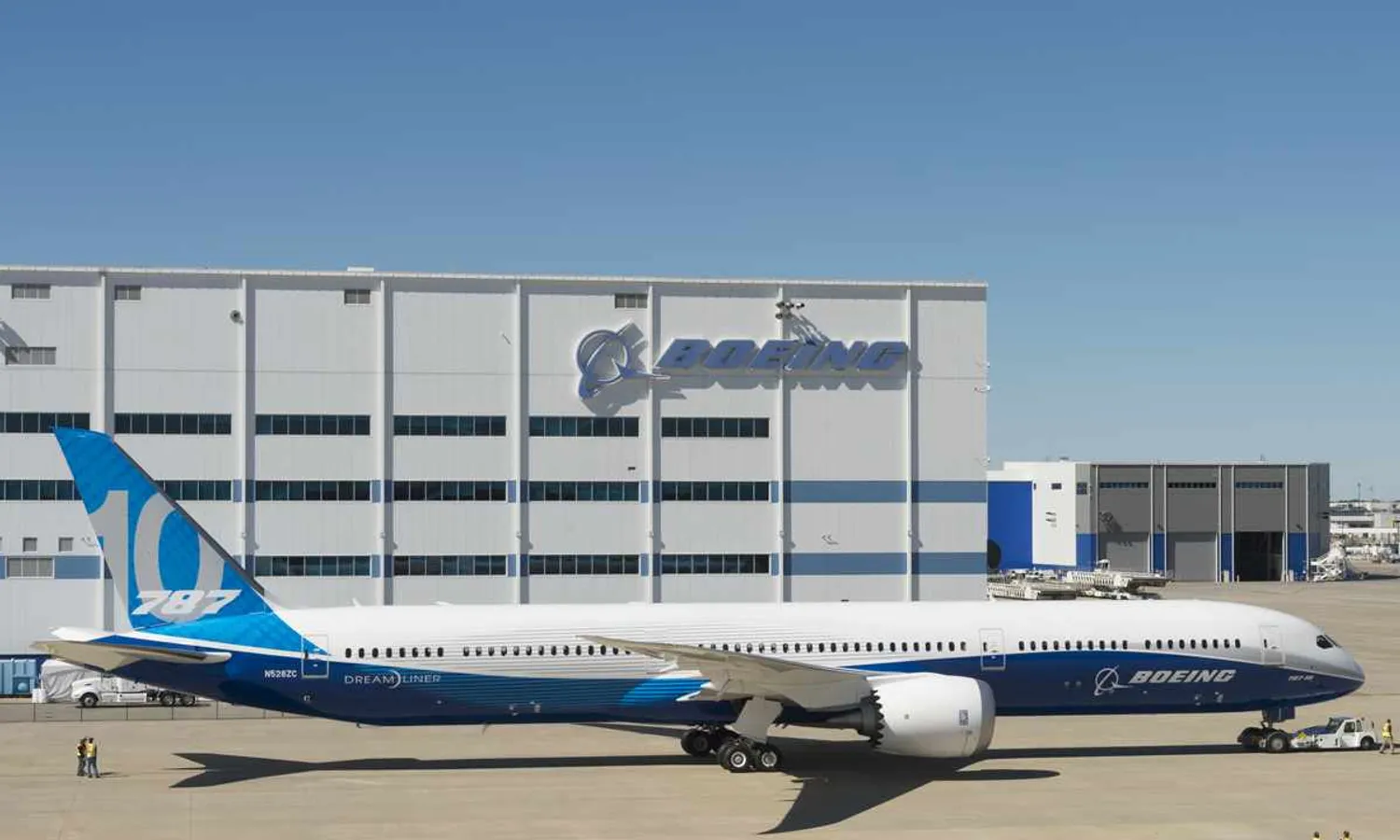
Boeing plans to relocate most of its 787 engineering work to South Carolina as it increases production of the twin-aisle jet, further cementing the state as the center of the Dreamliner program, according to information reported by Reuters.
The decision follows Boeing’s earlier move to concentrate all 787 final assembly in South Carolina, after years in which the aircraft was built both there and in Everett, Washington. With production rates now climbing, the company is aligning engineering support more closely with the manufacturing site that handles all Dreamliner deliveries.
Boeing raised 787 output from five aircraft per month to eight in the second half of last year and is targeting a further increase to 10 per month in 2026. The 787 remains one of the company’s most important commercial programs, particularly as airlines continue to favor long-range, fuel-efficient widebodies.
The shift also reflects the changing role of Everett, once Boeing’s flagship widebody site. The factory ended 747 production in 2022 and is nearing completion of the last 767 and first-generation 777 aircraft. The only new commercial aircraft currently assigned to Everett is the 777X, which has yet to enter full-rate production as it awaits certification by the U.S. Federal Aviation Administration, expected later this year.

Boeing is also preparing Everett for a new 737 assembly line that would build only the 737 MAX 10. The move is intended to ease pressure on the Renton plant, where all other 737 variants are produced, and to provide additional flexibility once the MAX 10 is certified.
While the relocation of 787 engineering work involves moving several hundred positions from Washington state to South Carolina, Boeing has said it also plans to hire engineers in Washington to support higher production rates on the 737 program. Workforce changes tied to the move have drawn attention from labor groups but remain secondary to the broader industrial reshaping of Boeing’s commercial aircraft footprint.
Separately, Boeing has continued to adjust staffing levels across its businesses as production profiles evolve. Cuts in its defense unit were first reported by Bloomberg, underscoring how workforce actions are unfolding alongside efforts to stabilize and ramp up aircraft manufacturing across multiple programs.
About the Author

Ricardo Meier
Creator of the website that started in 1996 as a magazine. He also writes on Brazilian websites AUTOO, MOTOO and MetrôCPTM.


