Boeing subsidiary reveals high-speed, vertical-lift concept aircraft
Aurora Flight Sciences, a Boeing subsidiary for advanced studies, revealed on Monday the review of the conceptual design of the Speed and Runway Independent Technologies (SPRINT) program, carried out by the government agency DARPA.
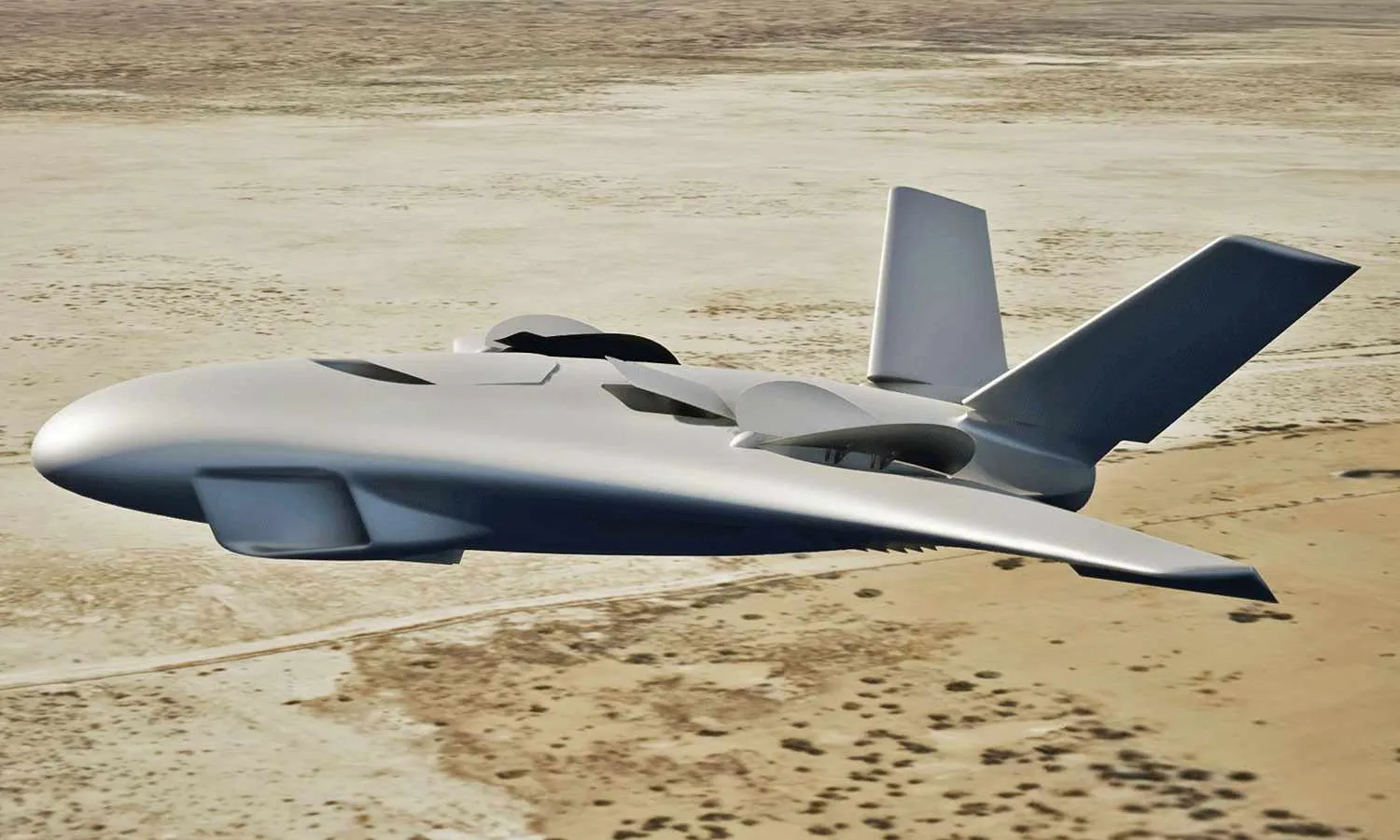
It is a high-speed, vertical-elevation aircraft that has not yet been named. The images released by Aurora show a blended wing body type vehicle, with a V-tail and jet propulsion, but which incorporates a “fan-in-wing” configuration, with three rotors for vertical elevation.
An animation shows the X aircraft with the fan doors being closed, as well as auxiliary inputs for the jet engine. The model presented is unmanned, but Aurora has not disclosed its dimensions.

According to the company, the conceptual aircraft will be capable of reaching 450 knots (833 km/h). Aurora says that the configuration will also allow conventional and short takeoff and landing operations.
“Aurora and Boeing bring relevant expertise in blended-wing-body platforms, high-speed VTOL configurations, and military aircraft development,” said Larry Wirsing, vice president of aircraft development at Aurora Flight Sciences. “The DARPA SPRINT program is an exciting opportunity to continue our history of advancing technology demonstrator programs that enable new capabilities for the U.S. military.”
Completion of the preliminary design review is expected to occur around May 2025 and the maiden flight within 36 months.

About the Author

Ricardo Meier
Creator of the website that started in 1996 as a magazine. He also writes on Brazilian websites AUTOO, MOTOO and MetrôCPTM.


