Chief of Staff of the Portuguese Air Force supports the choice of the F-35 fighter
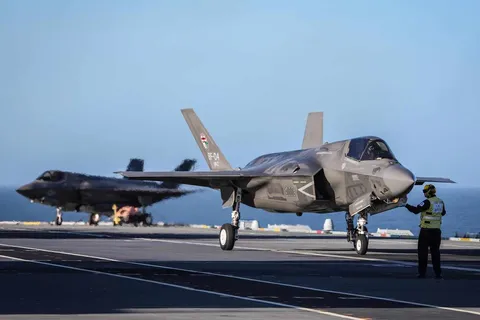
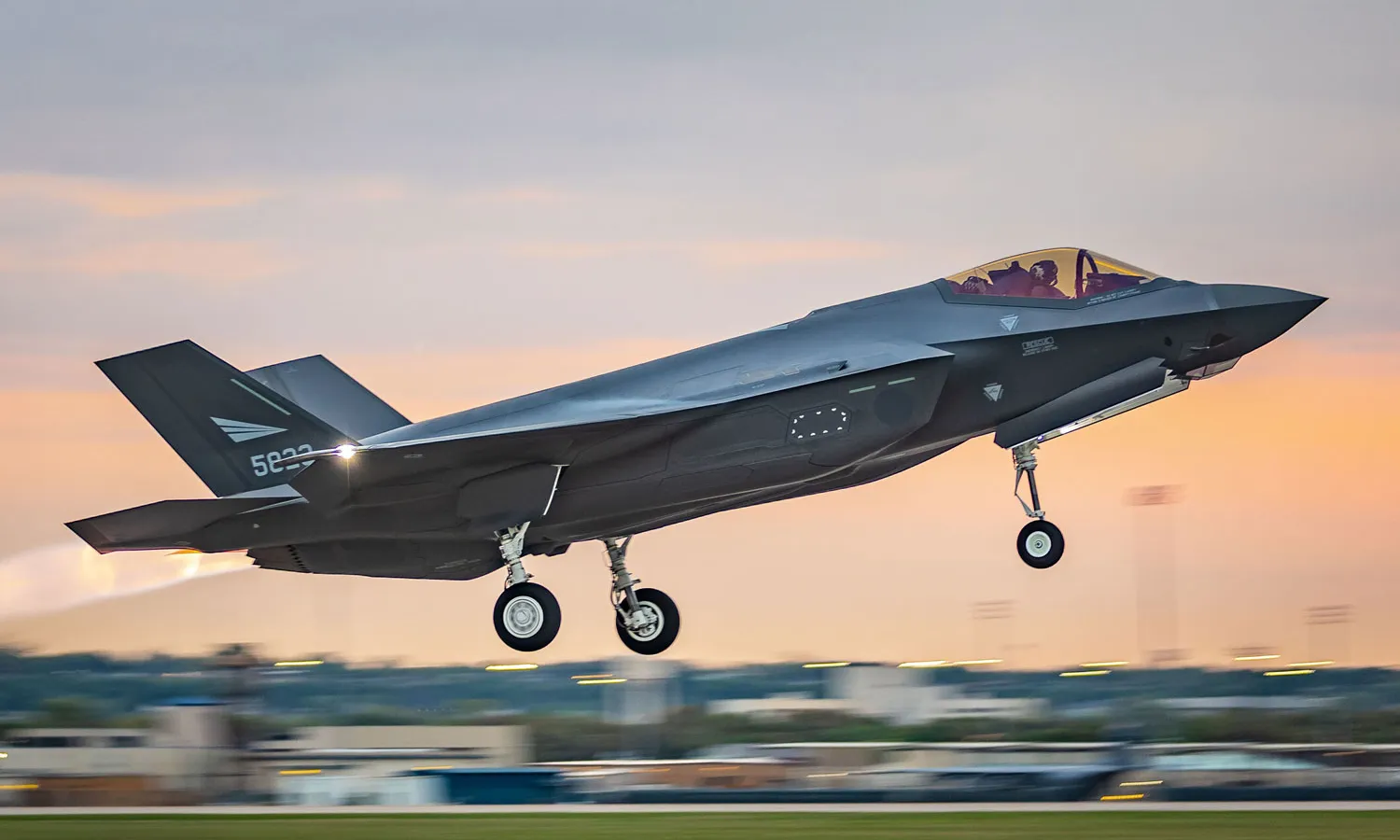
Until the beginning of the year, the Portuguese Air Force was considered to be another operator of the F-35A Lightning II fighter, from Lockheed Martin.
Negotiations with the manufacturer and the US government had already begun, with an order expected to be delivered at the end of the decade, but the arrival of Donald Trump to his second term as president changed a scenario that had been solid until then.
With his anti-NATO and Putin-friendly rhetoric, the Republican raised concerns in European countries about the support of the United States in the event of a military conflict on the continent.
Soon, the Portuguese Minister of Defense, Nuno Melo, became the first to announce that the F-35 fighter was no longer in the plans to replace the F-16s in service.
Instead, the trend is to choose an aircraft manufactured in Europe, even if it is a previous generation such as the Dassault Rafale or the Saab Gripen E/F.

However, the Portuguese Air Force has indicated that the F-35 continues to be the technically indicated aircraft to be purchased.
On April 22, the Chief of Staff of the Air Force, General João Cartaxo Alves, was more categorical when he stated that “it is imperative that the next air defense aircraft be of the 5th generation”.
Cartaxo Alves added: “among the available aircraft, only one currently meets this requirement, the F-35”. Among those present was Minister Nuno Melo.
NATO’s ‘standard fighter’
If it weren’t for the controversy raised by Trump, the choice of the F-35 would not have raised any doubts. Until then, the Lockheed Martin aircraft had been winning all the competitions for new fighters in Europe.
In recent years alone, the stealth jet has been selected by countries such as Poland, Germany, Finland, Slovakia and Greece, in addition to operating in several other air forces.

More modern and capable, the Lightning II has become a sort of NATO “standard fighter”, whose members can benefit from exchanging information and tactics to operate and maintain it.
In Canada, the F-35 was also victorious to replace the CF-188 Hornet of the Royal Air Force, but the country’s government also raised doubts about the contract for 88 aircraft.
This is because Trump threatened to annex Canada to the United States, generating a great wave of indignation.

Political decision?
Despite the Air Force’s preference for the F-35, it is worth remembering that in many cases of strategic purchases like this, politics is a decisive factor.
Dassault and Saab have already begun negotiations to submit proposals for the Rafale and Gripen, an indication that the technical superiority of the Lockheed Martin jet is not enough to guarantee victory.
About the Author

Ricardo Meier
Creator of the website that started in 1996 as a magazine. He also writes on Brazilian websites AUTOO, MOTOO and MetrôCPTM.