 Air Transport
COMAC Faces US Export Hurdles as C919 Deliveries Slow
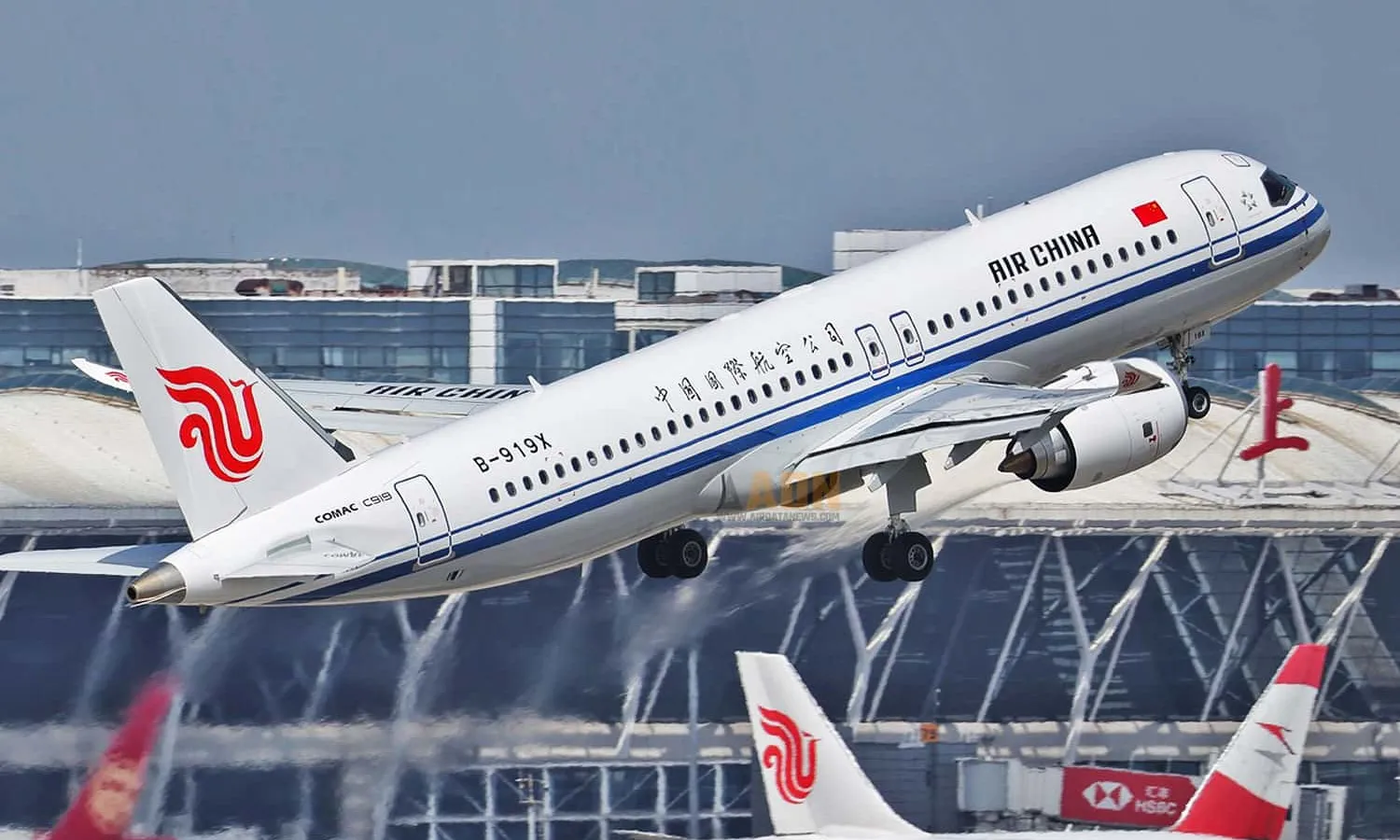
China’s COMAC delivered only seven C919 aircraft by October, as ongoing US-China tensions disrupt supply chains for the state-owned jet program.
The most ambitious commercial aircraft developed in China is a program pursued by the communist government for several years as a way to not only avoid dependence on Western manufacturers but also compete in the global market.
However, the C919 relies heavily on US technology, with 48 of its major suppliers based in the United States, including GE, Honeywell, and Collins. Restrictions on US exports have slowed the pace of deliveries, impacting COMAC’s ability to meet its targets.
The narrowbody aircraft, powered by the LEAP-1C engine from a GE Aerospace and Snecma joint venture, is positioned as a competitor to the Boeing 737 MAX 8 and Airbus A320neo.

The target for 2025 was to deliver 50 C919s to meet existing demand from Chinese state-owned airlines such as Air China, China Southern Airlines and China Eastern Airlines, which together have ordered more than 300 aircraft. COMAC delivered 13 C919s last year, with current Chinese airlines operating around 20 units.
China is developing the CJ-1000A engine with Aero Engine Corporation of China, but this powerplant has not yet been seen in flight testing with the C919. Dependence on US-controlled technology for propulsion keeps the program sensitive to shifts in export policy.
China is expected to require 9,570 new passenger jets between 2025 and 2044, with over 80% anticipated to be single-aisle types like the C919. Meanwhile, Airbus is expanding its manufacturing footprint in China and just opened a new assembly line in October.
About the Author

Ricardo Meier
Creator of the website that started in 1996 as a magazine. He also writes on Brazilian websites AUTOO, MOTOO and MetrôCPTM.


