 Airports
Cyberattack still affects operations at major European airports
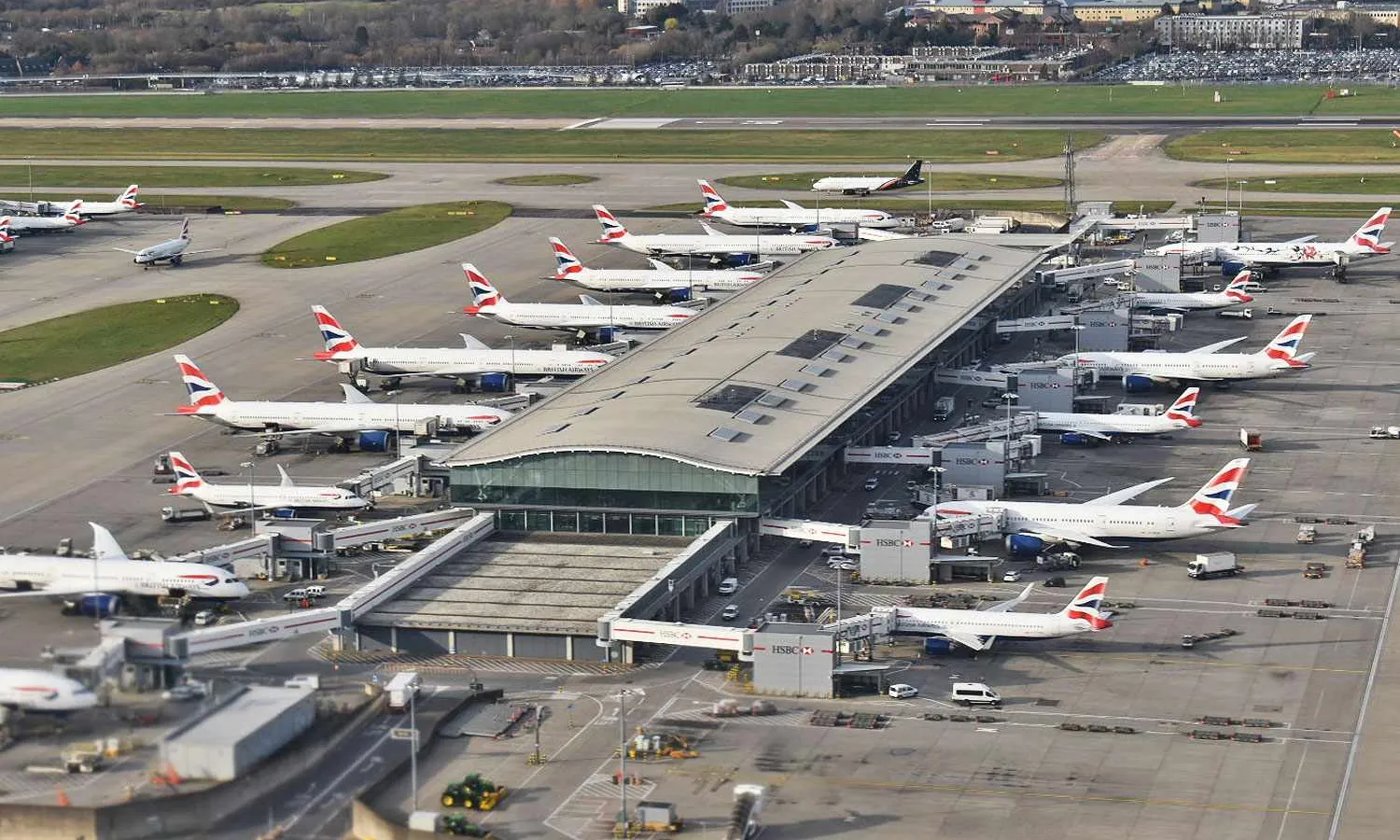
Several major European airports, including Heathrow and Brussels Airport, experienced significant operational disruptions over the weekend following a cyberattack targeting key IT systems used for passenger check-in and baggage handling.
The affected software, Muse, is supplied by Collins Aerospace, a subsidiary of RTX. The incident led Heathrow Airport to report delays in 47% of departing flights on Saturday, while Brussels Airport requested airlines to cancel approximately half of their outbound services.
Although the exact cause and extent of the cyberattack remain undisclosed by RTX, multiple airlines, such as British Airways, were able to maintain operations by switching to backup systems. Meanwhile, airports like Dublin have stated they expect to maintain their full flight schedule despite ongoing technical issues.

Eurocontrol, the European air navigation agency, requested carriers to suspend half of their flights in affected airports until 02:00 on Monday, aiming to mitigate congestion and further delays. Passengers at Berlin Brandenburg and other hubs were advised to use online check-in or self-service kiosks to minimize queue times.
The incident follows a series of cyberattacks targeting various sectors and comes weeks after a global aviation disruption in July related to faulty software updates. The UK government and the National Cyber Security Centre have initiated investigations and are monitoring the evolving situation.
As of Sunday, some improvement was reported, but delays persisted at several airports. Brussels Airport continued to warn travelers of potential long queues, while airlines including EasyJet and Ryanair reported normal operations where they were not reliant on the affected systems.
The sector is now focused on restoring normality and assessing the potential long-term impact of recurrent IT vulnerabilities.
About the Author

Ricardo Meier
Creator of the website that started in 1996 as a magazine. He also writes on Brazilian websites AUTOO, MOTOO and MetrôCPTM.