 Air Transport
Emirates Airline Urges Airbus and Boeing to Develop Larger Next-Generation Aircraft
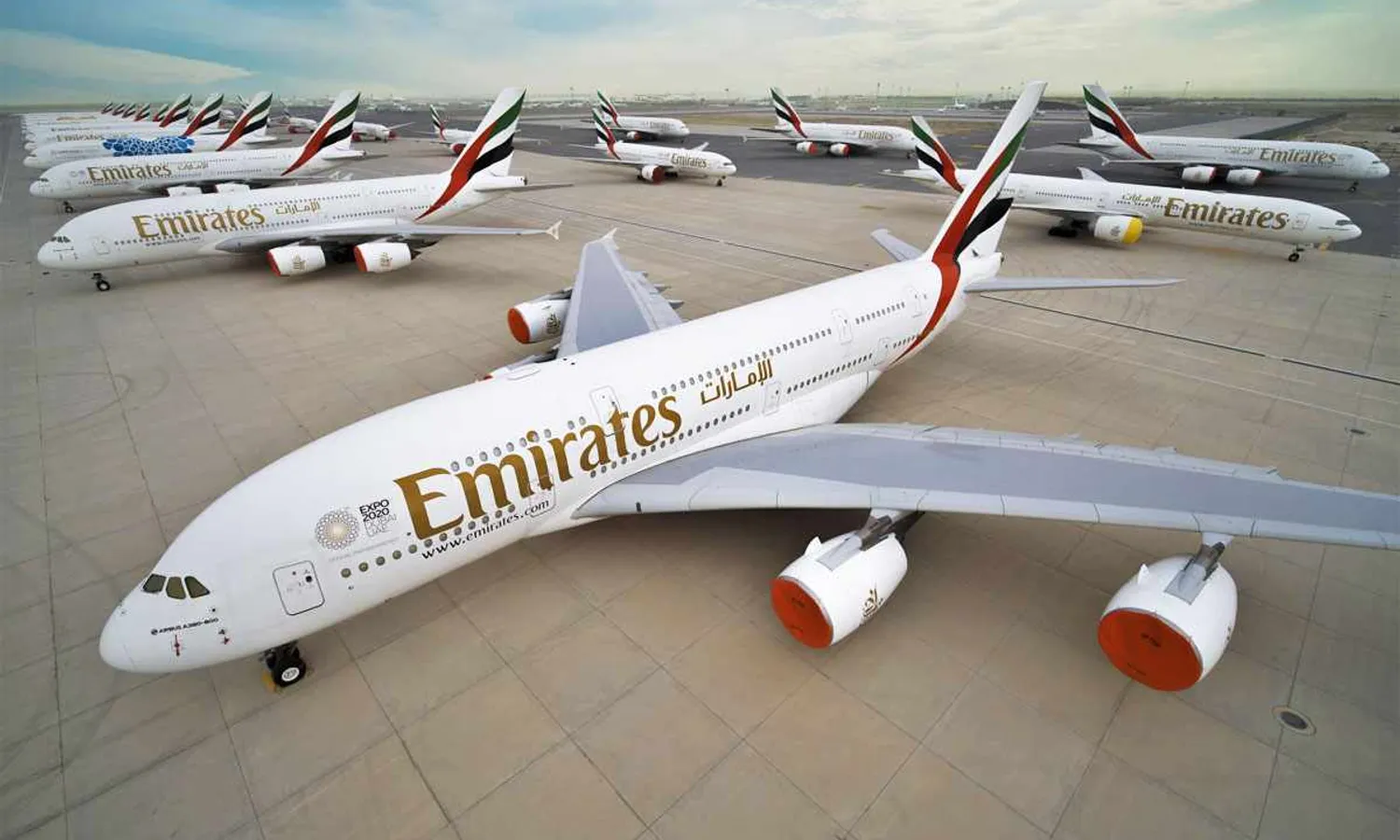
Emirates Airline has called on Airbus and Boeing to accelerate the development of larger, next-generation passenger aircraft. The airline is seeking expanded versions of the 777X and A350 to meet growing capacity requirements.
Emirates also advocates for a modernized four-engine aircraft, such as a potential A380neo, to address future demand.
According to the airline, current widebody models like the 777-9 and A350-1000 will not be sufficient for long-term operational needs. Emirates has proposed a stretched 777-10, which could accommodate over 400 passengers depending on cabin layout. This model, if produced, would become the largest twin-engine passenger jet available.

Emirates remains the largest operator of the A380-800, having ordered more than 100 of the double-deck aircraft. Tim Clark, Emirates Airline President, emphasized that maximizing passenger numbers is crucial for the airline’s hub in Dubai, where airport slots are limited. He noted that larger aircraft would help make the most of constrained infrastructure.
Clark recently sent concept drawings for a revamped A380 to Christian Scherer, CEO of Airbus’ commercial aircraft business, according to Aviation Week. The proposed design includes efficiency improvements of up to 25% compared to the current model. However, the prospect faces skepticism due to limited global demand for four-engine jets.

In previous years, Emirates has consistently pushed manufacturers for aircraft with greater seating capacity. The airline has publicly discussed the need for very large widebody jets to support its high-density routes and operational strategy.
Despite repeated appeals from Emirates, demand for large widebodies has not been strong enough to convince major planemakers to invest in these expensive projects.
About the Author

Ricardo Meier
Creator of the website that started in 1996 as a magazine. He also writes on Brazilian websites AUTOO, MOTOO and MetrôCPTM.


