 Air Transport
FAA says Boeing must complete remaining work to certify 737 MAX 7 and MAX 10
The Federal Aviation Administration said it does not see itself as the main obstacle to the long-delayed certification of Boeing’s 737 MAX 7 and MAX 10, according to comments made this week by FAA administrator Bryan Bedford and reported by Reuters.
Speaking after a public event in Washington, Bedford said the agency has dedicated significant resources to supporting Boeing’s certification efforts but stressed that the remaining work lies with the manufacturer. He said the FAA can assist the process but cannot complete certification tasks on Boeing’s behalf, adding that the company is continuing to work toward approval of both variants.
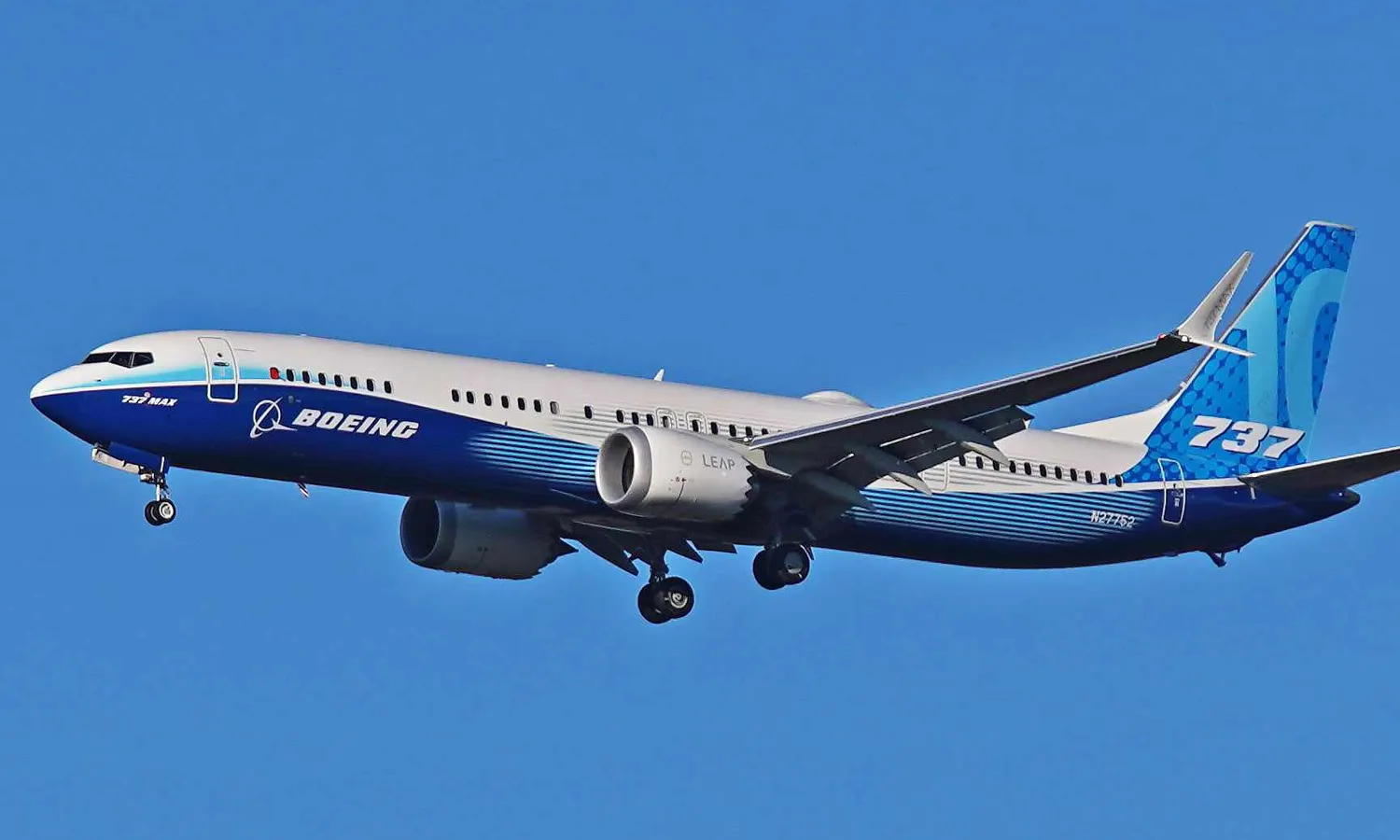
The MAX 7 and MAX 10 are the smallest and largest members of the 737 MAX family and have faced repeated delays, primarily linked to an unresolved engine deicing issue. Certification of the two models has also been affected by heightened regulatory scrutiny of Boeing’s manufacturing and quality processes.
Earlier this month, the MAX 10 was cleared to move into a further phase of flight testing, a step seen as necessary before certification can be completed. Boeing executives have said they still expect both aircraft to be approved during 2026.

The manufacturer has more than 1,200 orders for the MAX 10, making the aircraft a key part of its narrowbody backlog. Several airline customers have continued to place orders despite the delays, including Alaska Airlines, which recently committed to more than 100 MAX 10 aircraft.
The FAA has gradually eased production restrictions on the 737 MAX. In late 2025, the agency allowed Boeing to raise monthly output to 42 aircraft, ending a lower cap that had been in place since early 2024.
Bedford also said the FAA is reviewing aspects of its own certification processes and is working with industry on limited internal projects aimed at identifying potential efficiencies, without indicating whether those efforts would lead to structural changes.
About the Author

Ricardo Meier
Creator of the website that started in 1996 as a magazine. He also writes on Brazilian websites AUTOO, MOTOO and MetrôCPTM.


