First B-52 arrives at Boeing for radar modernization
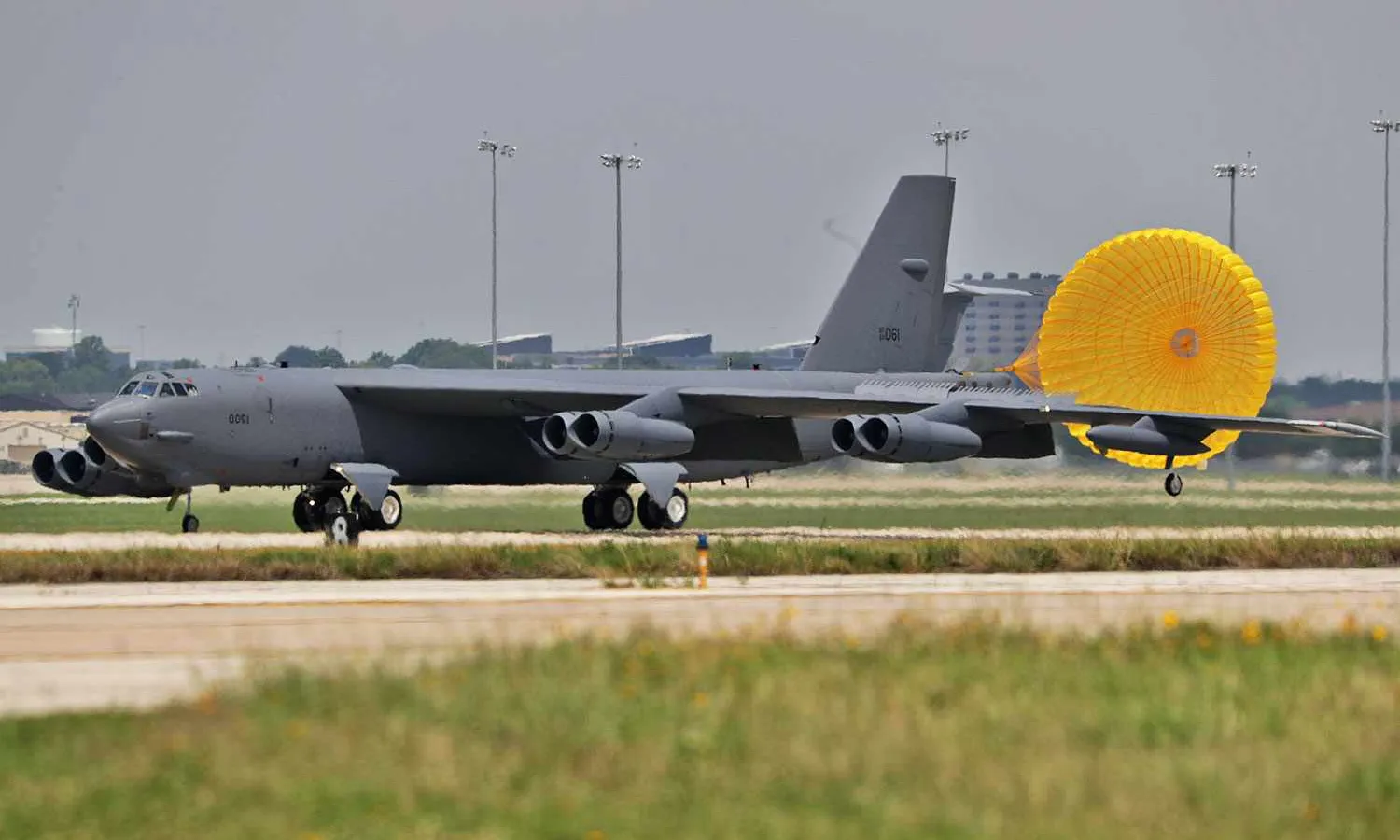
The first US Air Force (USAF) B-52 Stratofortress bomber has arrived at Boeing facilities in San Antonio, Texas, to begin upgrading its radar system.
On site, the eight-engine aircraft will be equipped with an Active Electronically Scanned Array (AESA) AN/APG-79 radar supplied by Raytheon.
The equipment is used on the F/A-18E/F fighters and has great accuracy, enabling the B-52 to map targets in high resolution.
Most popular posts
[wpp range='last24hours' wpp thumbnail_width=100 thumbnail_height=75 limit=3 stats_views=0 order_by='views']“The B-52 brings unique, critical capabilities to the U.S. Air Force as they move to a future two-bomber platform strategy,” said Jennifer Wong, director of Bomber Programs. “By modernizing the B-52 radar, we're increasing the relevance of the aircraft for the warfighter for close air support or strategic attack.”

The B-52's Radar Modernization Program (RMP) includes the installation of a new radome in the aircraft's nose and considerable changes to the instrument panel, with the addition of two large-area, high-definition, touch-sensitive displays.
In addition, the B-52 will have two other displays with system sensors and controls for the crew.
New engines
In parallel with the avionics, the Air Force also executes the replacement program of the old TF-33 engines for the new F130 turbofan, supplied by Rolls & Royce.
More economical and powerful, the turbofan is derived from the BR725, used in large executive jets.

Under the Commercial Engine Replacement Program (CERP), Rolls & Royce already performs ground tests on the B-52's twin-engine package.
The Air Force plan is to have the first operational modernized B-52s in 2027.
About the Author

Ricardo Meier
Creator of the website that started in 1996 as a magazine. He also writes on Brazilian websites AUTOO, MOTOO and MetrôCPTM.