Defense
Germany weighs additional F-35 purchase as FCAS future remains uncertain
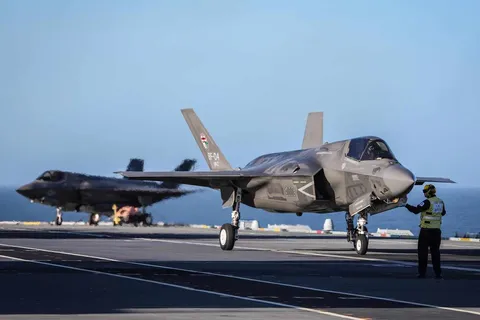
Germany is considering ordering additional F-35 fighter aircraft from the United States as uncertainty deepens around the trinational Future Combat Air System (FCAS) program with France and Spain, according to sources cited by Reuters. The discussions could involve more than 35 extra aircraft on top of Berlin’s existing order, though no final decision has been made.
Berlin in 2022 ordered 35 F-35A jets to replace its aging Tornado fleet in the nuclear-sharing role within NATO, with deliveries scheduled to begin later this year. Any follow-on purchase would further expand Germany’s reliance on the U.S.-built stealth fighter at a time when the European sixth-generation combat aircraft effort remains stalled by industrial and political disagreements.
The FCAS program, launched in 2017 and valued at roughly €100 billion, is intended to replace Germany’s Eurofighters and France’s Rafales from 2040 onward. However, disputes between Airbus, representing Germany and Spain, and France’s Dassault Aviation over leadership of the core fighter element have delayed progress and raised questions about the project’s structure and viability.
German Chancellor Friedrich Merz recently questioned whether developing a manned sixth-generation fighter still makes strategic sense, asking publicly whether Germany would need such an aircraft two decades from now given the projected cost. Defence Minister Boris Pistorius has said the fate of FCAS should become clearer within days.

Airbus Chief Executive Guillaume Faury acknowledged the impasse and said the company would support a “two-fighter solution” if governments request it. His comments follow speculation that the project could split into separate national or dual tracks, while maintaining cooperation on drones and the so-called combat cloud architecture intended to link manned and unmanned platforms.
An expanded F-35 fleet would provide Germany with an immediate capability bridge. The aircraft is certified to carry the latest B61 nuclear bombs under NATO arrangements, a role central to Berlin’s procurement decision. At the same time, further purchases could signal a shift away from ambitions for a single unified European next-generation fighter, even as policymakers continue to debate the future shape of Europe’s combat air strategy.
About the Author

Ricardo Meier
Creator of the website that started in 1996 as a magazine. He also writes on Brazilian websites AUTOO, MOTOO and MetrôCPTM.