 Defense
India Approves Purchase of 97 Indigenous Tejas Mk1A Fighters
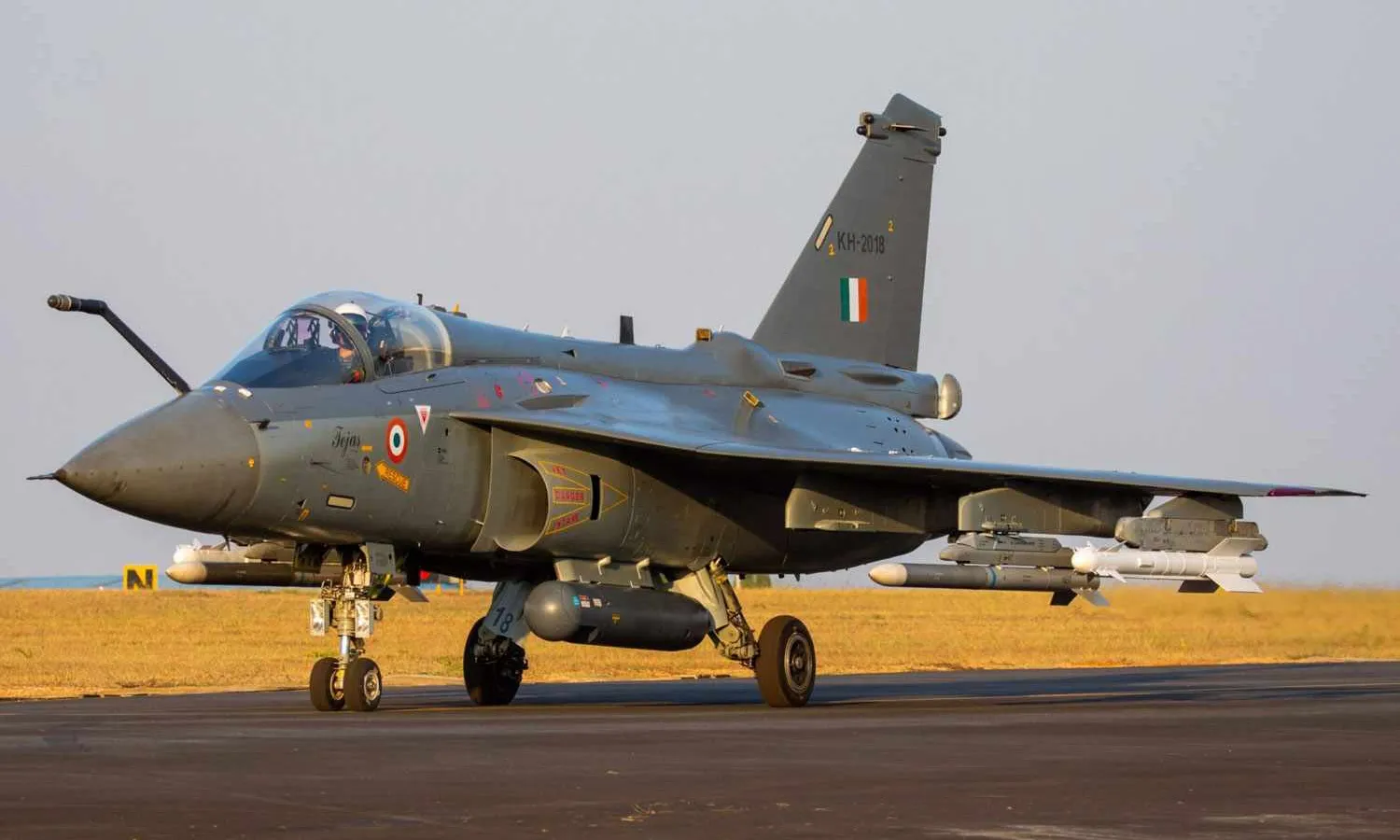
The Indian government has granted final approval for the acquisition of 97 Tejas Mk1A fighter jets from Hindustan Aeronautics Limited (HAL) on August 19, in a deal valued at approximately 620 billion rupees (US$7.4 billion).
The decision, reported by the ANI news agency, marks an important step in advancing production of the new variant, aimed at modernizing the Indian Air Force (IAF) fleet.
The Tejas Mk1A is an upgraded version of the Mk1, with around 65% indigenous content, although it continues to be powered by the GE F404 engine, produced by U.S.-based GE Aerospace.
The variant incorporates significant technical enhancements, including an AESA radar, an advanced electronic warfare suite, updated avionics, and compatibility with both domestic and imported weapons, such as the Astra and ASRAAM missiles. The cockpit has also been redesigned to accommodate the anthropometric standards of 90% of IAF pilots.
GE F404 engine delivery delays
The primary goal of the Tejas Mk1A acquisition is to replace the aging Mikoyan MiG-21 Bison fleet, which is set to be gradually phased out, with only 36 aircraft remaining in service at the start of 2025.

Delivery of the first 16 Mk1As was initially planned for March 2025, but delays in the supply of F404-IN20 engines by GE Aerospace disrupted the schedule. To mitigate the issue, HAL used reserve engines to keep the assembly line moving, completing six aircraft by mid-2025.
The second engine specific to the Mk1A variant was only delivered in July, allowing the completion of essential tests and certifications. HAL remains committed to delivering 12 Tejas Mk1As in the 2025–2026 fiscal year, with a long-term goal of producing 24 aircraft annually across three assembly lines.
The Indian Air Force plans to activate three squadrons equipped with the Tejas Mk1A by the end of 2026, consolidating its fleet modernization and reducing reliance on legacy Soviet-era aircraft.
Despite the improvements, the Mk1A still does not fully close the capability gap compared to fighters operated by regional rivals such as Pakistan and China. Nevertheless, the program remains a cornerstone of India’s aerospace industry development and a key step in strengthening the country’s autonomous defense capabilities.
About the Author

Ricardo Meier
Creator of the website that started in 1996 as a magazine. He also writes on Brazilian websites AUTOO, MOTOO and MetrôCPTM.