 Defense
India’s Tejas faces fresh export setback after Dubai crash
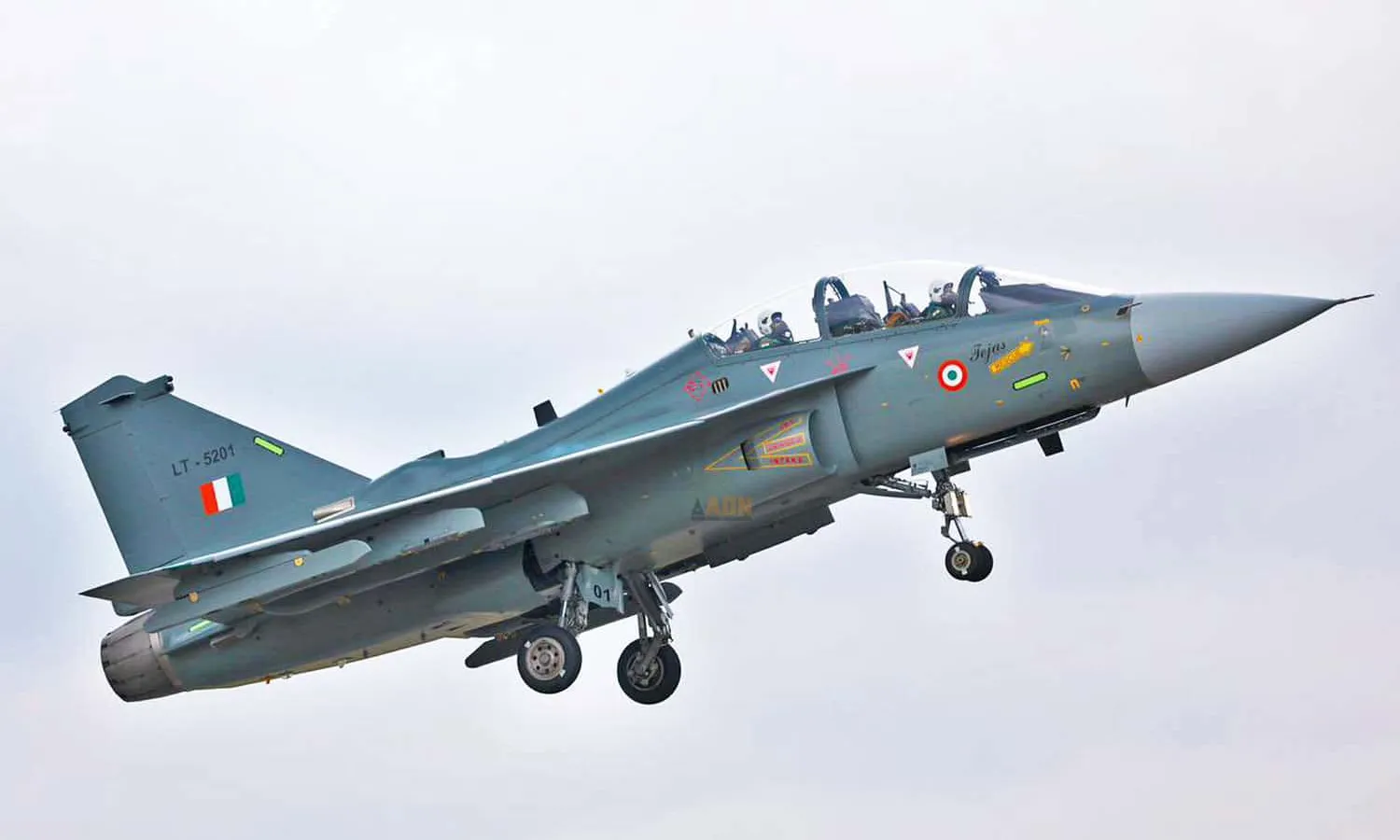
India’s bid to promote the HAL Tejas as a competitive export fighter took another hit last week after the jet crashed during a flying display at the Dubai Airshow, an event packed with international buyers and rival manufacturers.
The loss of the aircraft, and of the pilot Namansh Syal, instantly overshadowed a four decade effort to turn the Tejas into a symbol of India’s self reliance in advanced aviation.
The cause of the crash remains under investigation, but the timing could not have been worse for a programme already slowed by production challenges, engine supply issues, and growing pressure from India’s own air force, which is facing shrinking squadron numbers and delayed deliveries.

The Dubai accident has reinforced a dilemma New Delhi has struggled to avoid: the Tejas is meant to be a showcase for India’s aerospace ambitions, yet it continues to rely almost entirely on domestic orders to survive.
HAL has 180 Mk 1A fighters on order from the Indian Air Force but has yet to deliver the first due to delays linked to GE’s engine supply chain. Export ambitions, once aimed at markets in Asia, Africa, and Latin America, now face a steeper climb.
The contrast at Dubai was hard to miss. While the Tejas was dealing with the fallout of the crash, Pakistan’s Aircraft Corporation used the same event to announce a new sale of the JF-17 Block III, the latest version of the fighter it co develops with China.

The JF-17 occupies the same market segment as the Tejas but has a major advantage: it already has several foreign operators, including Nigeria, Myanmar, and Azerbaijan, and its Block III standard brings AESA radar, improved avionics, and long range Chinese missiles.
PAC was quick to brand the jet as “battle tested”, a message that plays well in regions looking for affordable fighters with a proven combat record. For countries weighing cost, capability, and political alignment, the JF-17’s expanding export footprint stands in stark contrast to the Tejas’ stalled push abroad.

For India, the Tejas still carries long term importance beyond immediate sales. Analysts note that the programme has built valuable industrial experience after years of sanctions, delays, and engine troubles, and it remains a foundation for India’s next generation combat aircraft.
But air shows are ultimately stages for confidence, and Dubai delivered a painful reminder that perception matters as much as performance. Rebuilding trust in the Tejas will require time, transparency, and above all a stable production line. Until then, rivals like the JF-17 will keep tightening their grip on the very markets India hoped to enter.
About the Author

Ricardo Meier
Creator of the website that started in 1996 as a magazine. He also writes on Brazilian websites AUTOO, MOTOO and MetrôCPTM.