Indian Rafale downed puts J-10C fighter and Chinese PL-15 missile in the spotlight
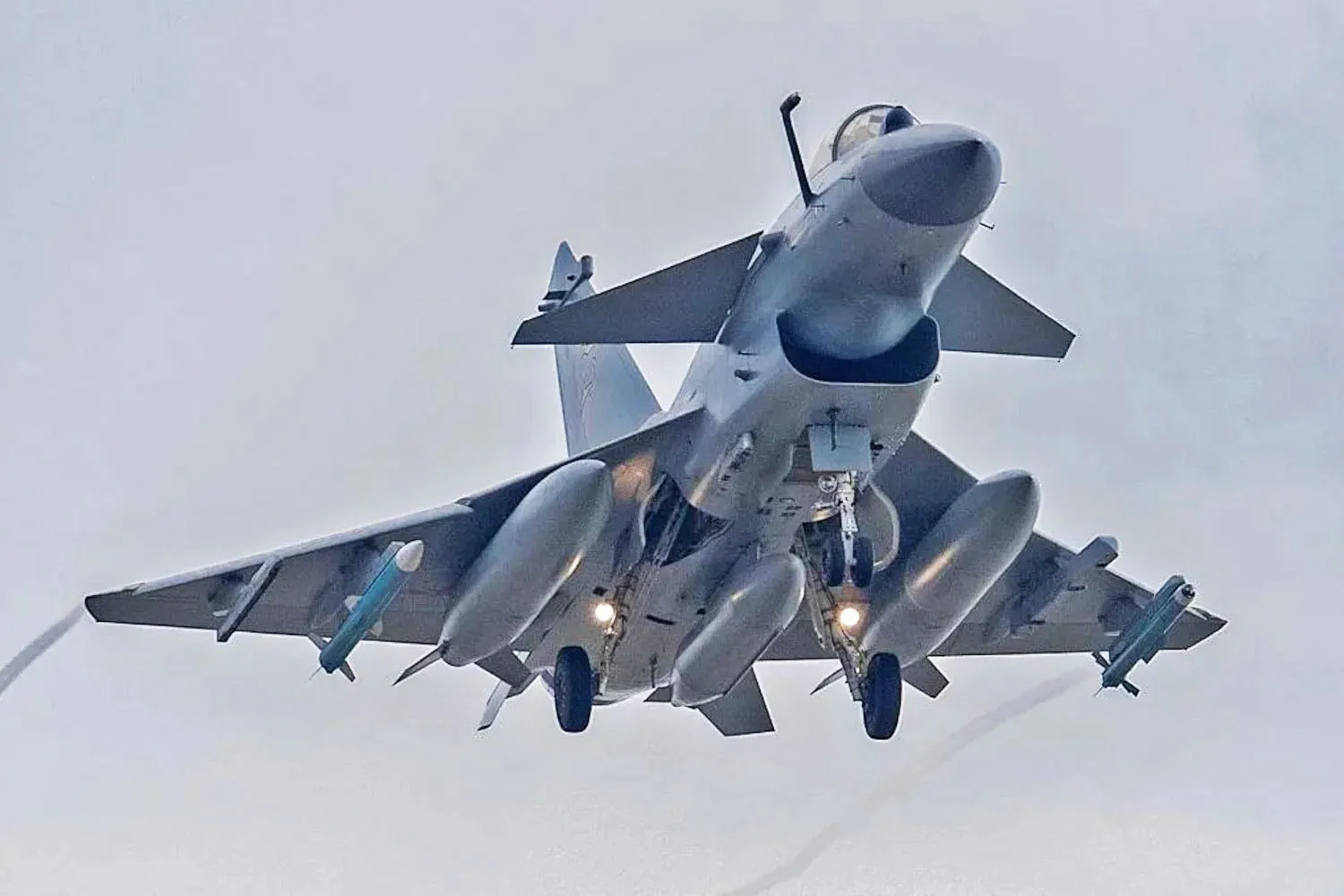
The conflict between India and Pakistan over Kashmir was short-lived and neither victorious, but at least China celebrated something, the downing of a Rafale fighter by a J-10C jet fighter.
Although initially disputed, the victory was later recognized after evidence showed the Dassault jet, registration BS 001, destroyed on the ground.
The Pakistani Air Force claimed to have shot down the Rafale with PL-15E air-to-air missiles, also supplied by China and fired by the Chengdu fighter.

This is the first time that both assets have been used in combat and demonstrates Chinese capabilities in a real-world scenario.
4.5 generation fighter
The circumstances of the aerial combat and even the training of the pilots on both sides are unknown and may have influenced the outcome, but it is still a remarkable feat for China.

The country has been expanding its development and production of weapons and what is most impressive is that the J-10C is far from being one of its main fighter aircraft when compared to the stealth jet J-20, for example.
It is a 4.5 generation aircraft, that is, similar in capability to the most current versions of the Rafale, F-16 and Gripen E/F.
China’s reputation on the rise
Only China and Pakistan are operators of the J-10C, with the Central Asian country receiving the first fighters of the J-10CE (Export) variant in 2022. It is believed that around two dozen have already been delivered.

The PL-15E is a long-range air-to-air missile capable of hitting targets nearly 150 km away using active homing radar. China, however, has a higher-performance version.
The victory over India caused Chengdu’s shares to rise on the Chinese stock exchange and certainly boosted the country’s reputation as an arms exporter.
In practice, this means that more potential customers will consider China for new arms contracts, which is bad news for traditional exporters such as the United States, Europe and Russia.
About the Author

Ricardo Meier
Creator of the website that started in 1996 as a magazine. He also writes on Brazilian websites AUTOO, MOTOO and MetrôCPTM.