Instead of F-35, Portugal turns to Europe in search of new fighter
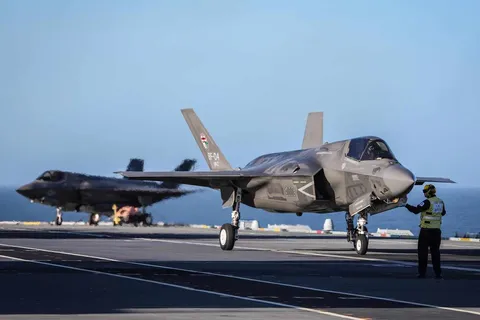
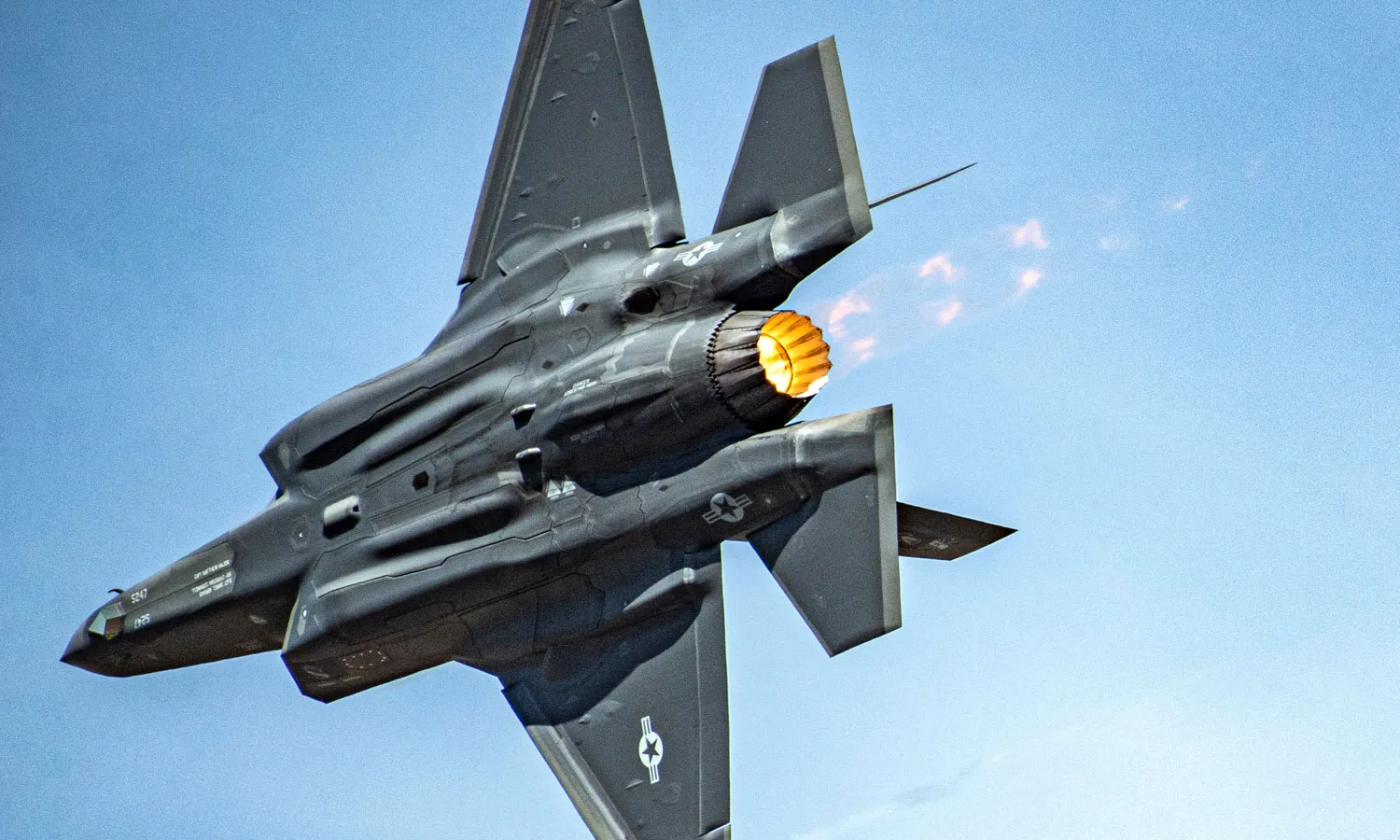
The Portuguese Air Force is no longer expected to acquire the 5th generation F-35 fighter from Lockheed Martin, all due to the review of the US position towards NATO.
In an interview with Público, the Portuguese Defense Minister, Nuno Melo, ruled out an order for the aircraft, as did several other European nations, and blamed the Trump administration.
The Republican has made controversial statements regarding NATO members and threatened to suspend defense spending that kept Europe safe after World War II.

With Trump’s unstable administration, Melo stated that the “predictability of our allies is a greater asset to take into account. We have to believe that, in all circumstances, these allies will be on our side.”
The Air Force had already selected the F-35 as the ideal replacement for the aging F-16 fighters currently in operation.
In April 2024, the Chief of Staff of the Air Force, General João Cartaxo Alves, stated that the service was in “transition” from the F-16 to the F-35.
At the time, the choice was expected in light of other NATO countries that had ordered the stealth aircraft from Lockheed Martin.

More advanced and capable of being updated for a longer period of time, the F-35 has customers in countries such as the United Kingdom, the Netherlands, Belgium, Denmark, Norway, Finland, Poland and Germany.
Its acquisition cost, however, is high: around US$82 million per aircraft. In addition, each flight hour costs US$33,000 and the cost of maintaining it is four times that of the F-16.
The possible suspension of support also weighs against the US aircraft amid government threats to tax its Western allies.

A European solution?
When asked to talk about a possible order for the Dassault Rafale, the minister refused to comment.
In addition to the French fighter, the European options are the Eurofighter Typhoon and the Saab Gripen E/F. There is also the KAAN, a 5th generation fighter developed by TAI, from Turkey, but which is still in the development phase.
Whatever the decision, the future fighter should only arrive in Portugal in the next decade.
About the Author

Ricardo Meier
Creator of the website that started in 1996 as a magazine. He also writes on Brazilian websites AUTOO, MOTOO and MetrôCPTM.