 Defense
Italian prosecutors probe disappearance of Tornado, AMX and C-130 Hercules avionics from depot
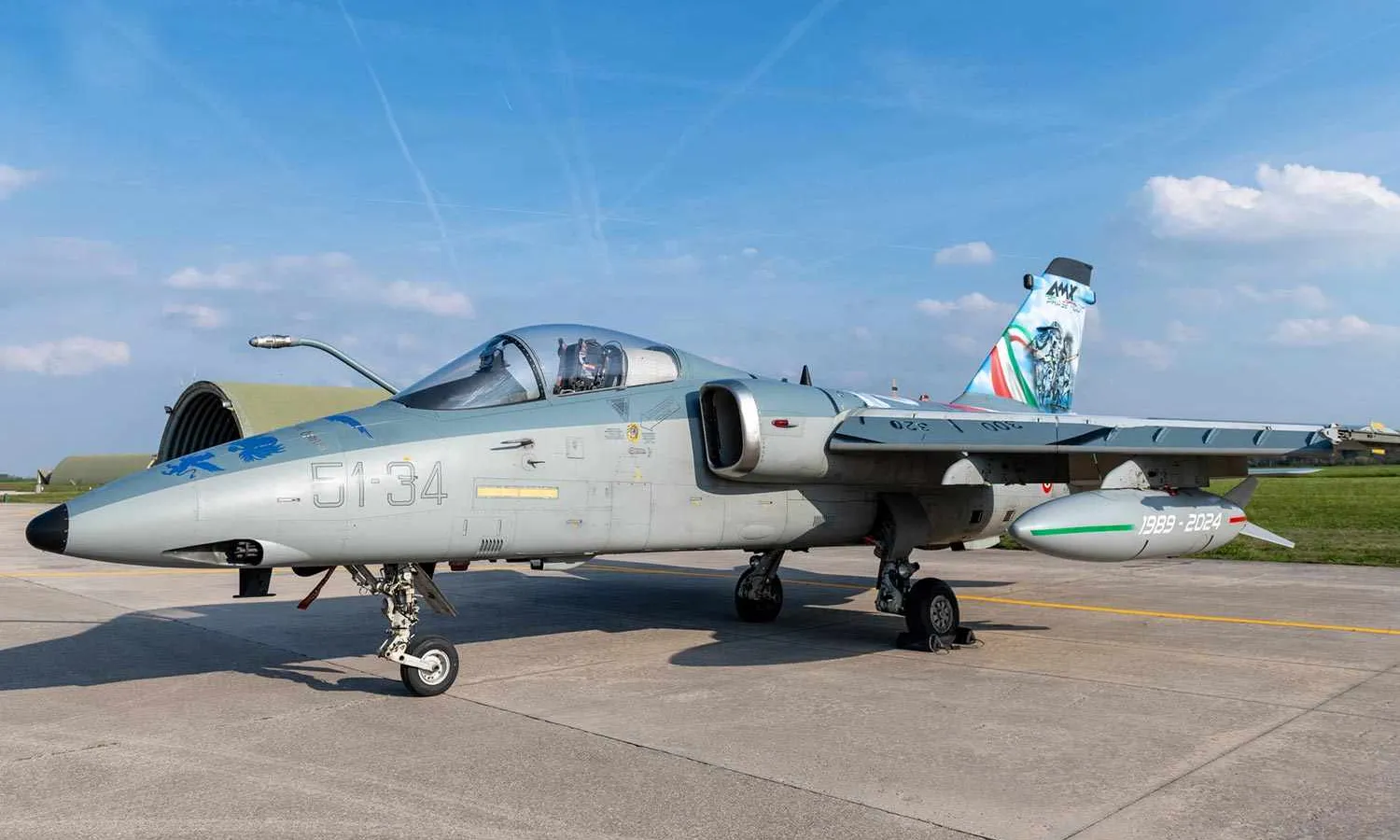
Italian prosecutors are investigating the disappearance of nearly 2,500 avionics components for Panavia Tornado and AMX fighter-bombers and Lockheed Martin C-130 Hercules transport aircraft from an Italian Air Force depot in Brindisi, in the country’s southeast.
According to Italian media reports, the missing equipment—valued at an estimated €17 million—includes electronic modules and systems considered essential for the safe operation of the aircraft. Rome prosecutors and the Military Public Prosecutor’s Office have reportedly placed around a dozen individuals under investigation for alleged embezzlement, including senior Air Force logistics officials and executives from a private company contracted to manage materials at the depot.
The components involved are not routine spare parts but critical avionics systems typically tracked through military inventory systems, serial codes and NATO procedures. Investigators are examining how items subject to strict documentation controls could have been removed from official records before physically disappearing from storage facilities.

A central focus of the inquiry is the issuance of “out-of-use” certifications for certain parts after they were no longer present in warehouses. Authorities are assessing whether components that were still operational may have been retroactively classified as worn or unserviceable, potentially obscuring their traceability.
One line of inquiry, cited in Italian press reports, suggests some of the missing parts may have been diverted to South America, including Brazil, where the AMX remains in service. The AMX was developed through Italian-Brazilian cooperation and continues to operate with the Brazilian Air Force. Investigators are examining whether the components entered international supply channels for aging aircraft, where original spare parts are increasingly scarce.
While secondary markets for military aircraft components exist among allied nations, such transactions are subject to strict regulatory oversight. Aircraft “cannibalization”—the removal of parts from one aircraft to keep another operational—is also permitted under established procedures but requires proper documentation and technical supervision.
Italian judicial authorities have ordered a technical assessment to determine the actual condition of the missing components and whether they were genuinely intended for disposal. The Italian Air Force has appointed an internal technical commission to support the investigation. No further details have been released as the inquiry remains ongoing.
About the Author

Ricardo Meier
Creator of the website that started in 1996 as a magazine. He also writes on Brazilian websites AUTOO, MOTOO and MetrôCPTM.