 Defense
Italy approves €8.8 billion for next-generation GCAP fighter program
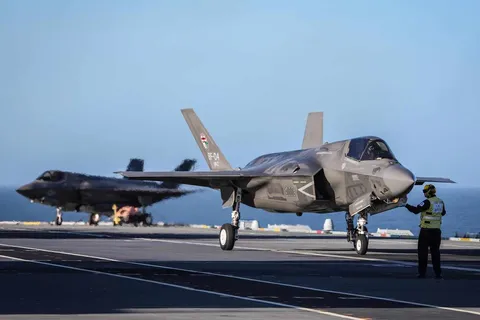
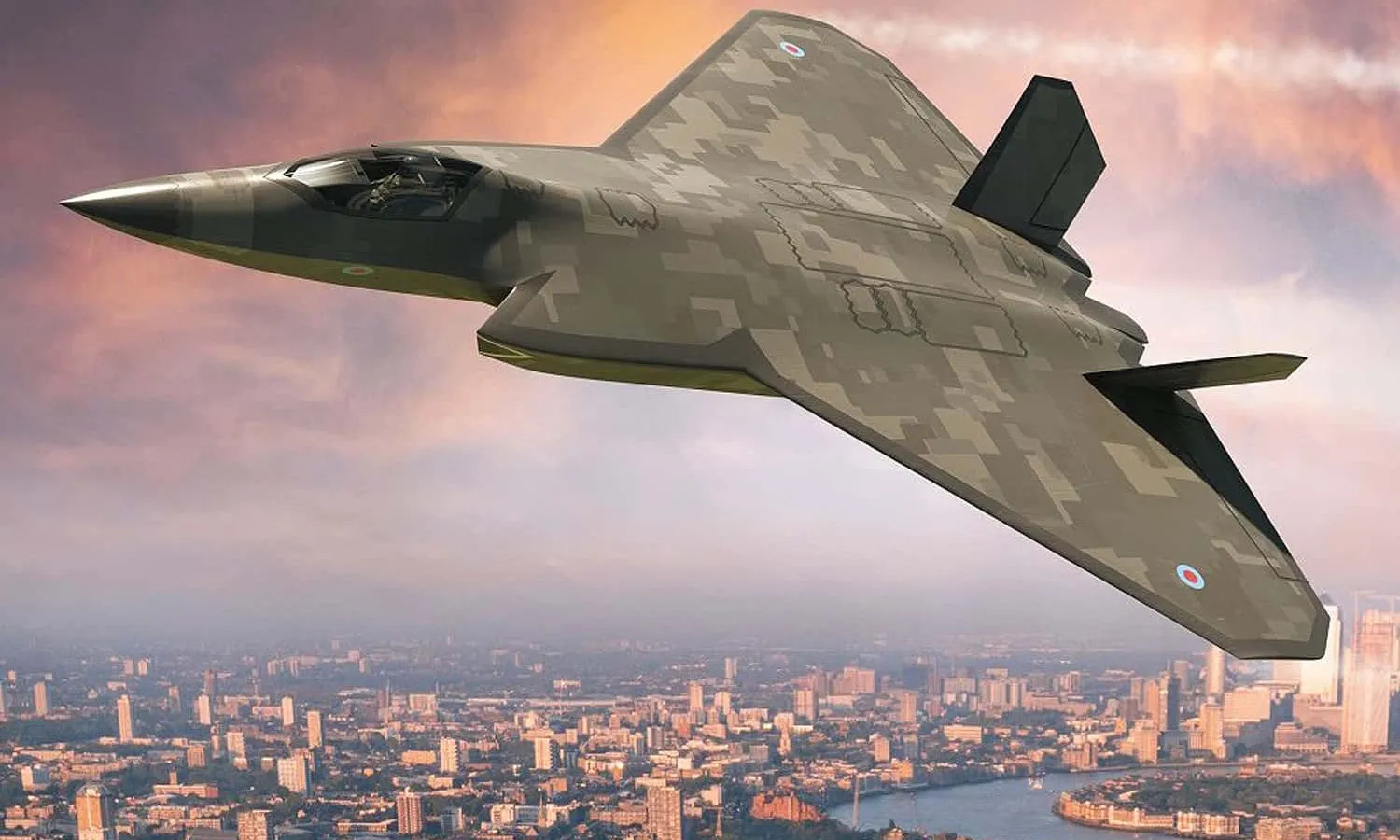
Italy’s parliament has approved an €8.77 billion ($10.7 billion) funding package for the Global Combat Air Programme (GCAP), a joint effort with the United Kingdom and Japan to develop a next-generation fighter aircraft by 2035.
The defense committee of the lower house cleared the government proposal, and no further parliamentary vote is required. The funds will cover the initial phases of the program through 2037.
GCAP was launched in December 2022 and aims to field a new combat aircraft integrating crewed and uncrewed platforms, advanced sensors and networked data systems. The program is being developed by a joint venture involving BAE Systems, Italy’s Leonardo and Japan Aircraft Industrial Enhancement, backed by Mitsubishi Heavy Industries.
According to parliamentary documents, Italy now expects early-phase costs for GCAP to reach €18.6 billion, up from about €6 billion at 2021 prices when the project was first outlined. The updated estimate reflects higher technology maturation, testing, development and design costs.

The Italian approval signals continued momentum for GCAP at a time when the rival Future Combat Air System (FCAS) program — led by France, Germany and Spain — is facing industrial and political tensions. The FCAS initiative has been marked by disputes over workshare and leadership roles among participating companies and governments, raising questions about its timeline and structure.
Italian officials have indicated the program could expand. In December, Rome said Germany and Australia had expressed interest in GCAP, and Italian Foreign Minister Antonio Tajani said this week he would not oppose additional partners joining the project.
About the Author

Ricardo Meier
Creator of the website that started in 1996 as a magazine. He also writes on Brazilian websites AUTOO, MOTOO and MetrôCPTM.