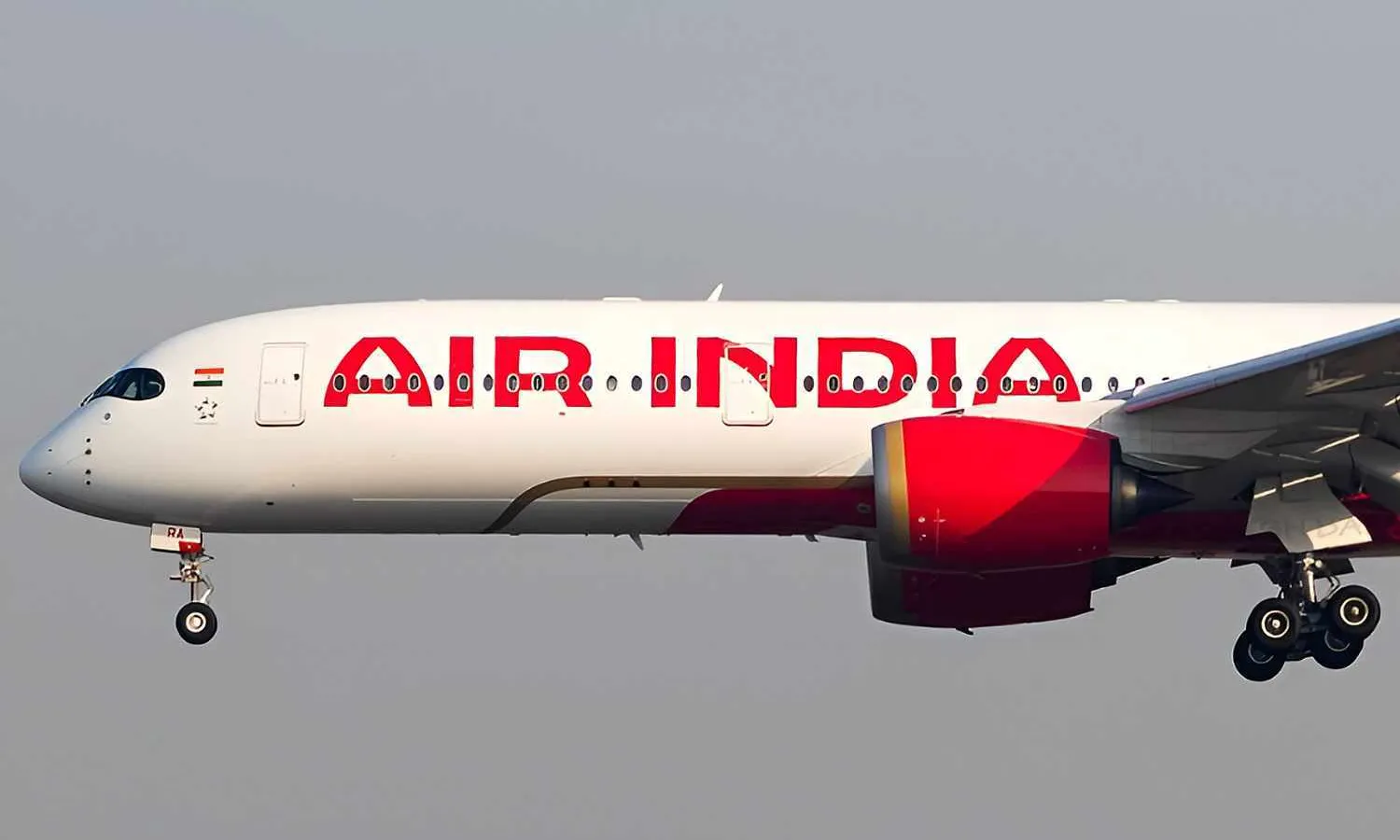
Pakistan Closes Airspace to Indian Aircraft, Disrupting International Routes
Tensions between India and Pakistan have once again spilled into commercial aviation. On April 24, the Pakistani government announced the immediate closure of its airspace to all aircraft registered in or operated by India. The restriction applies to both civilian and military flights.
The move follows a deadly terrorist attack in Indian-administered Kashmir that killed 26 people — including 25 Indian tourists and one Nepalese national.
India blamed the assault on militants based in Pakistan, triggering a wave of retaliatory diplomatic and trade measures.
With Pakistani airspace off limits, Indian airlines are now forced to reroute their long-haul flights to Europe, North America, and the Middle East. The detours are adding up to an hour of extra flying time per route, increasing fuel burn and in some cases requiring unscheduled refueling stops.

Air India has already made changes to flights like AI162 (London–Delhi) and AI190 (Toronto–Delhi), rerouting them to bypass Pakistan. IndiGo, India’s largest low-cost carrier, has cancelled flights to Central Asian destinations such as Almaty and Tashkent due to operational constraints.
Political fallout and rising tensions
The escalation deepened after India suspended the 1960 Indus Waters Treaty — one of the last standing agreements between the two countries. Pakistan responded by cutting off trade, suspending visa issuance for Indian nationals, and pausing all bilateral treaties, including the 1972 Simla Agreement.
Pakistani authorities have stated that any interference with their water rights under the treaty would be considered an act of war, raising fears of further escalation between the nuclear-armed neighbors.

This isn’t the first time Pakistan has shut its airspace to Indian flights — a similar closure occurred during the 2019 Balakot standoff. For now, no timeline has been given for when the airspace might reopen.
Travelers with itineraries involving India or nearby regions are advised to monitor airline alerts and government travel advisories for real-time updates.
About the Author

Ricardo Meier
Creator of the website that started in 1996 as a magazine. He also writes on Brazilian websites AUTOO, MOTOO and MetrôCPTM.


