 Air Transport
Preliminary report on Air India Boeing 787 crash to focus on fuel control switches - reports
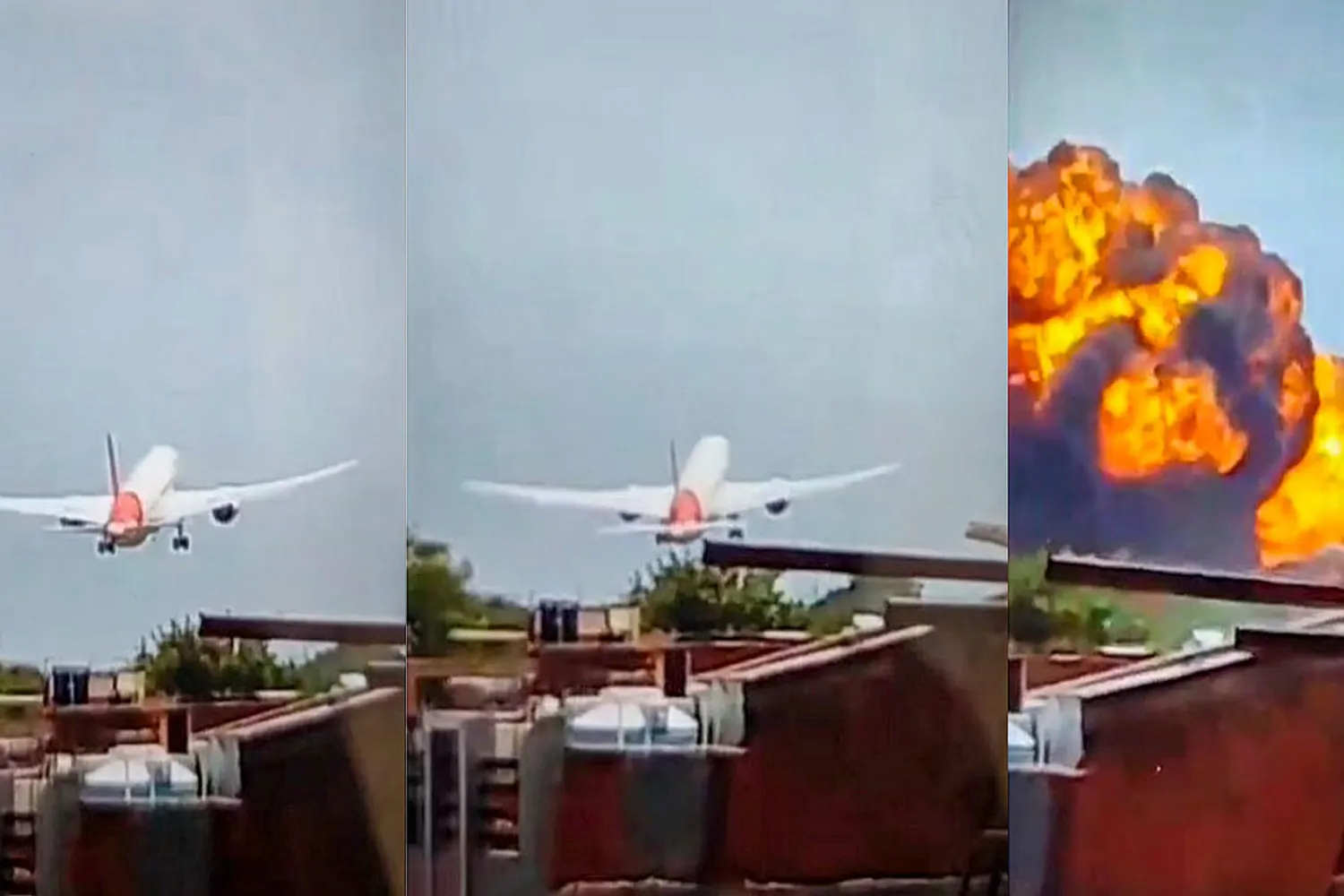
Indian aviation authorities are expected to release a preliminary report in the coming days on the fatal crash of an Air India Boeing 787 Dreamliner, which killed 241 of the 242 people on board and additional victims on the ground shortly after takeoff from Ahmedabad on June 12, 2025.
Sources familiar with the investigation say the focus has narrowed to the aircraft’s engine fuel control switches. The probe, led by India’s Aircraft Accident Investigation Bureau (AAIB), is based on analysis of the flight and voice recorders and simulations conducted by Boeing recreating the aircraft’s final moments.
Investigators are looking into whether any movement of the fuel switches could have led to the apparent loss of engine thrust before the crash. So far, no mechanical failure has been identified, and there is no recommendation for changes to Boeing 787 operations.
Experts point out that these fuel control switches, which power the engines, cannot be moved accidentally. If switched off, the impact on engine performance is immediate, raising the possibility of human action – either unintentional or deliberate – as a factor.

The tragedy is a serious setback for Air India and its parent company, the Tata Group, which has been working to modernize the airline’s fleet and rebuild its reputation since taking over in 2022.
The crash with the VT-ANB aircraft also highlights the growing pressure on India’s aviation sector, as the country aims to become a global air travel hub.
Beyond the technical investigation, the handling of public communication has drawn criticism. Authorities took nearly two weeks to download the flight recorders, held only one press briefing, and initially rejected international assistance.
However, India later allowed an expert from the International Civil Aviation Organization (ICAO) to join the investigation as an observer.
The preliminary report is expected by Friday, but sources warn that the release could be delayed and that the level of detail may be limited.
About the Author

Ricardo Meier
Creator of the website that started in 1996 as a magazine. He also writes on Brazilian websites AUTOO, MOTOO and MetrôCPTM.


