 Air Transport
Republic Airways Becomes the World’s Largest Embraer E-Jet Operator After Mesa Air Merger
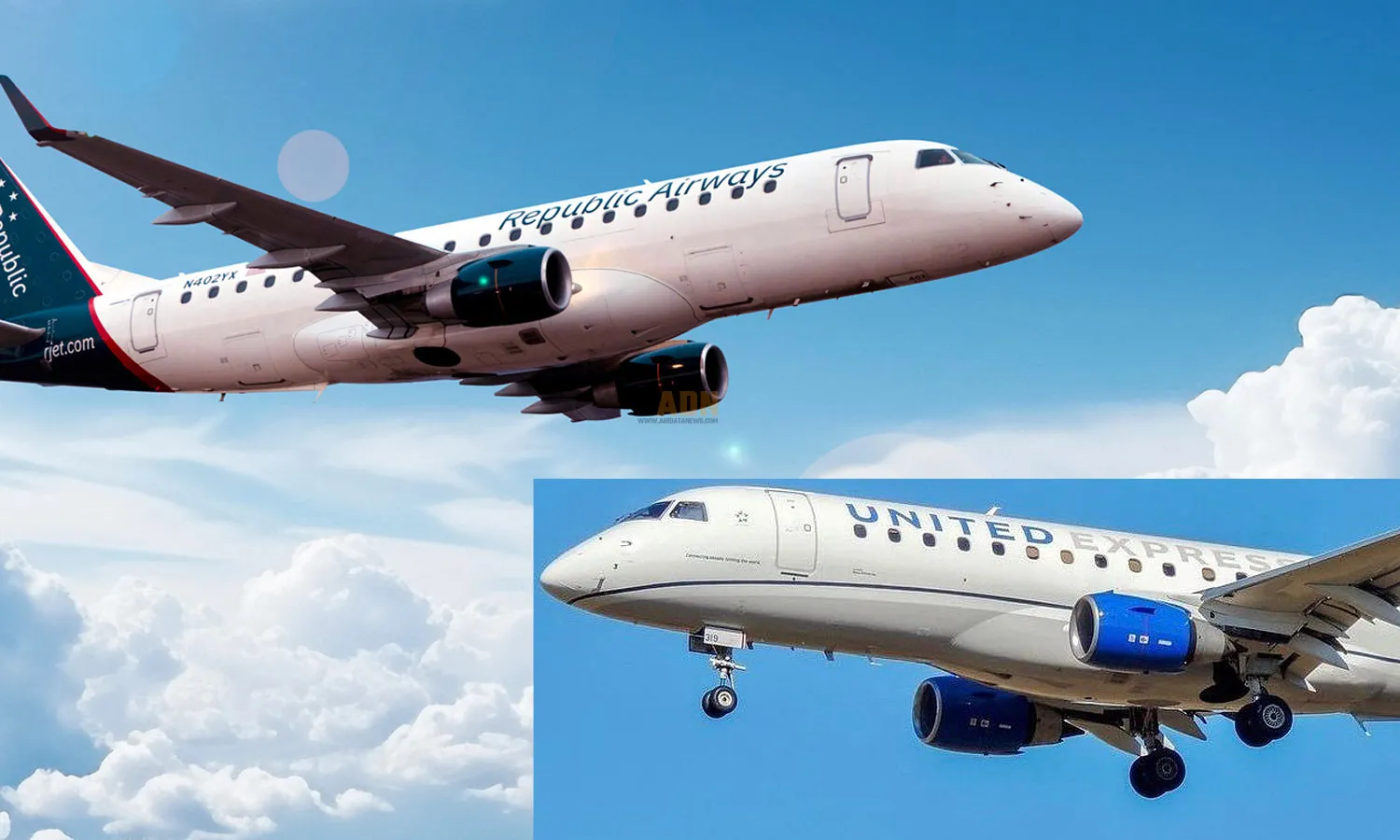
Republic Airways announced the completion of its merger with Mesa Air Group on November 17, resulting in the formation of the world’s largest Embraer E-Jet operator.
The newly combined entity will manage a fleet of 310 E170 and E175 aircraft and operate over 1,300 daily departures across the United States.
The merger, initially announced on April 7 and approved by Mesa shareholders, positions Republic Airways with an 88% controlling stake in the new company. This transaction consolidates regional jet operations and strengthens the group’s market presence in North American feeder aviation.

The expanded carrier will continue to support American Airlines, Delta Air Lines, and United Airlines through existing capacity purchase agreements. Mesa Airlines will focus its operations under a new 10-year agreement with United Airlines, leveraging the merged entity’s scale.
More than 8,000 aviation professionals will be impacted by the merger, with anticipated opportunities for growth and career development as integration proceeds. The company aims to streamline its operations while meeting ongoing demand from major airline partners.
Republic and Mesa have long operated at the core of the US regional-feed structure, moving passengers from smaller cities into major airline hubs under capacity-purchase agreements.

Both carriers were hit hard after the pandemic as pilot shortages, rising labor costs and uneven demand recovery pushed regional flying into a prolonged contraction. The merger is a way to bring scale back into a segment that has struggled to restore pre-2020 efficiency.
Each airline enters the combined operation from a different position. Republic built its business around a large and uniform Embraer fleet, supplying lift for carriers such as American, Delta and United with a focus on reliability and training pipelines. Mesa, smaller and more exposed to cost swings, faced operational strain and contract losses over the past few years.
Consolidating the two creates a single operator with broader fleet depth, a more stable cost base and the leverage needed to compete for long-term agreements in a regional market that continues to shrink.
About the Author

Ricardo Meier
Creator of the website that started in 1996 as a magazine. He also writes on Brazilian websites AUTOO, MOTOO and MetrôCPTM.


