 Defense
Rolls-Royce CEO open to Germany joining GCAP fighter program
Rolls-Royce chief executive Tufan Erginbilgiç has said he would welcome Germany joining the Global Combat Air Programme (GCAP), arguing that additional partners would strengthen the business case for the next-generation fighter, according to The Guardian.
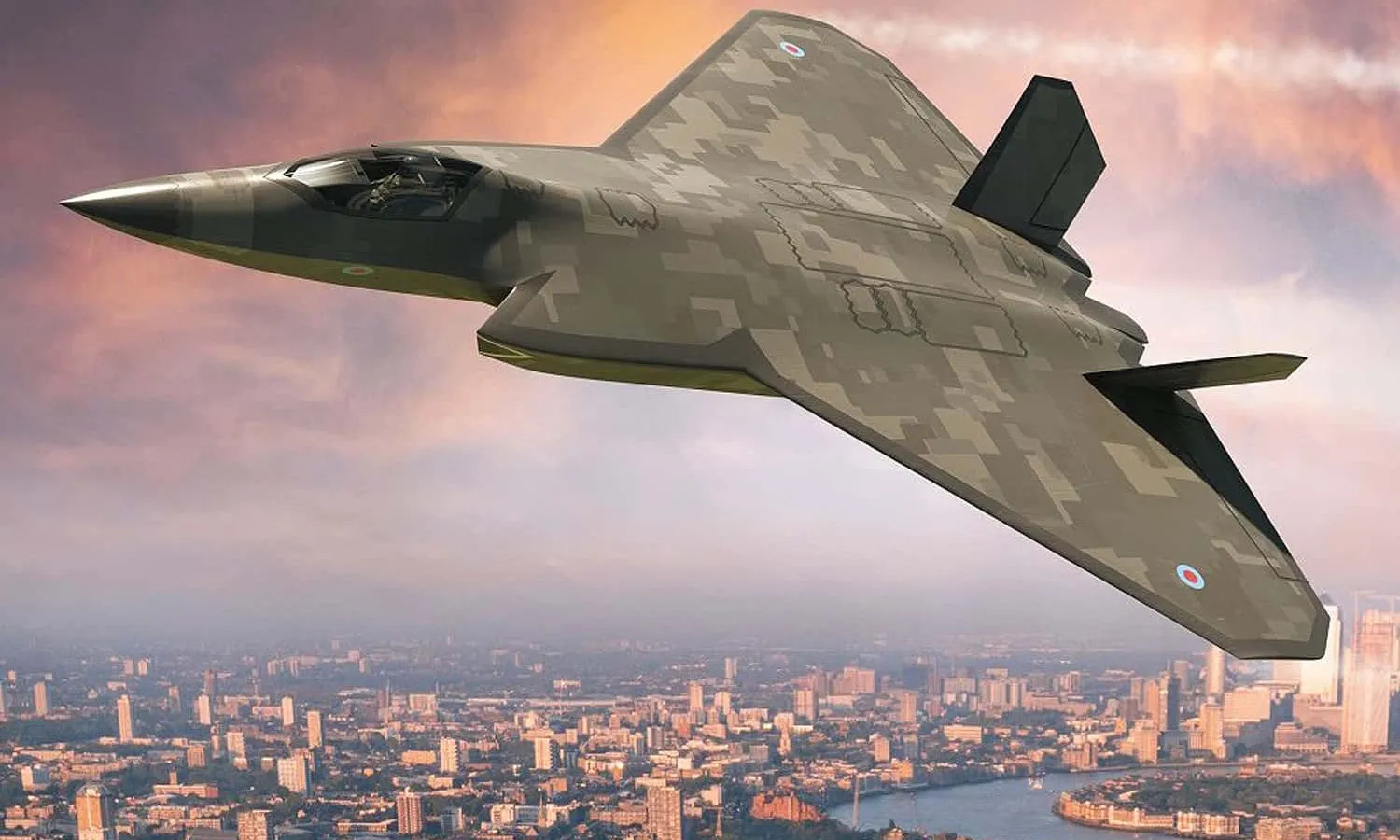
GCAP is a joint effort between the UK, Italy and Japan to develop a sixth-generation combat aircraft intended to replace the Eurofighter Typhoon and the F-15 from 2035. Rolls-Royce is responsible for developing the fighter’s engine, a core element of the program alongside the airframe and advanced systems.
Erginbilgiç said he would “definitely be open” to Germany’s participation, noting that Rolls-Royce already maintains a significant presence in the country, including at its Dahlewitz facility near Berlin, which focuses on business aviation engines. He argued that wider membership in GCAP would likely translate into stronger aircraft sales, as partner nations are expected to procure the platform they help develop.
He stressed that any decision on German participation rests with governments rather than industry, adding that geopolitical developments could keep the option under consideration.
Speculation over Berlin’s potential entry into GCAP has increased as the Franco-German Future Combat Air System (FCAS) has struggled with industrial disagreements. The FCAS program, led by Dassault Aviation and Airbus Defence and Space, has faced delays amid disputes over workshare and technical responsibilities.

In February, German Chancellor Friedrich Merz indicated that the planned FCAS fighter did not align fully with Germany’s requirements, particularly regarding nuclear capability, which France considers essential for its deterrence posture. He described the issue as technical rather than political.
The UK government has previously signaled openness to additional partners in GCAP, while emphasizing the need to protect the program’s schedule. The fighter is targeted to enter service in 2035, although ministers have delayed signing a trilateral contract with Italy and Japan pending publication of an updated defense spending plan.
European governments are under pressure to increase defense budgets in response to Russia’s actions and calls from the United States for Europe to shoulder more responsibility for its own security. Erginbilgiç said sustained investment in military aerospace capabilities underpins both national security and export potential.
He pointed to the Eurofighter Typhoon as an example, noting that the UK continues to export the aircraft. Maintaining design and manufacturing capabilities through programs such as GCAP, he said, is essential to sustaining those exports and advancing technologies that can also feed into civil aerospace applications.
Erginbilgiç’s comments came as Rolls-Royce reported a 40% increase in annual profits, driven in part by strong demand for power systems, including those used in data centers.
About the Author

Ricardo Meier
Creator of the website that started in 1996 as a magazine. He also writes on Brazilian websites AUTOO, MOTOO and MetrôCPTM.