 Air Transport
Spirit Airlines files for Chapter 11 bankruptcy for second time
Spirit Airlines has filed for Chapter 11 bankruptcy protection in the United States for the second time within a year, aiming to continue operating while implementing further structural changes.
The Florida-based low-cost carrier will remain under the supervision of the U.S. Bankruptcy Court in New York as it pursues a plan to secure long-term viability.
The company announced intentions to redesign its route network, increase destination offerings, and exit select markets where profitability has been challenging. Spirit intends to maintain employee wages and benefits, as well as honor commitments with suppliers throughout the bankruptcy process.
Spirit Airlines has faced persistent financial difficulties, with operational expenses totaling US$1.2 billion—equivalent to 118% of its quarterly revenue. After its initial Chapter 11 filing in November 2024, the airline reduced debt by approximately US$795 million through conversion to equity and secured US$350 million in new investment from existing stakeholders. Despite these measures, ongoing losses and a surplus of low-fare seat capacity have prompted a second bankruptcy filing.

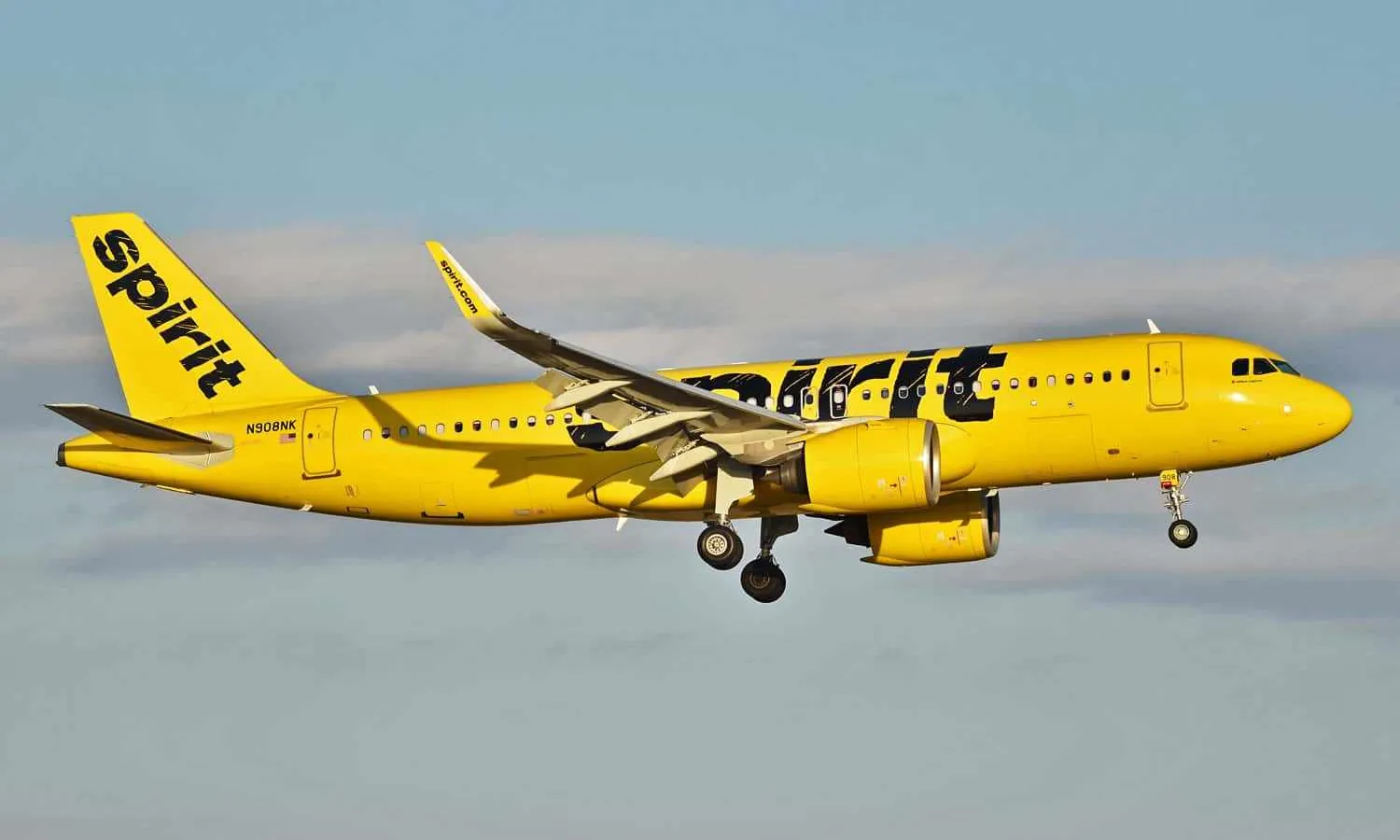
The company operates an all-Airbus A320 family fleet, consisting of 195 narrowbody aircraft optimized for high-density, low-cost operations. However, the ultra-low-cost carrier model has come under pressure due to post-pandemic shifts in travel demand and heightened competition.
The dissolution of a proposed merger with JetBlue Airways, following a federal court ruling on anticompetitive grounds, further complicated Spirit’s position in the market.
Spirit’s financial challenges have opened opportunities for other carriers, such as Frontier Airlines, which is expanding its route network in the wake of Spirit’s market adjustments. Following the bankruptcy announcement, Spirit’s shares dropped 44% and the company anticipates delisting from the stock exchange.
About the Author

Ricardo Meier
Creator of the website that started in 1996 as a magazine. He also writes on Brazilian websites AUTOO, MOTOO and MetrôCPTM.


