 Defense
Taiwan opts for C-130J purchase, drops C-130H upgrade plan
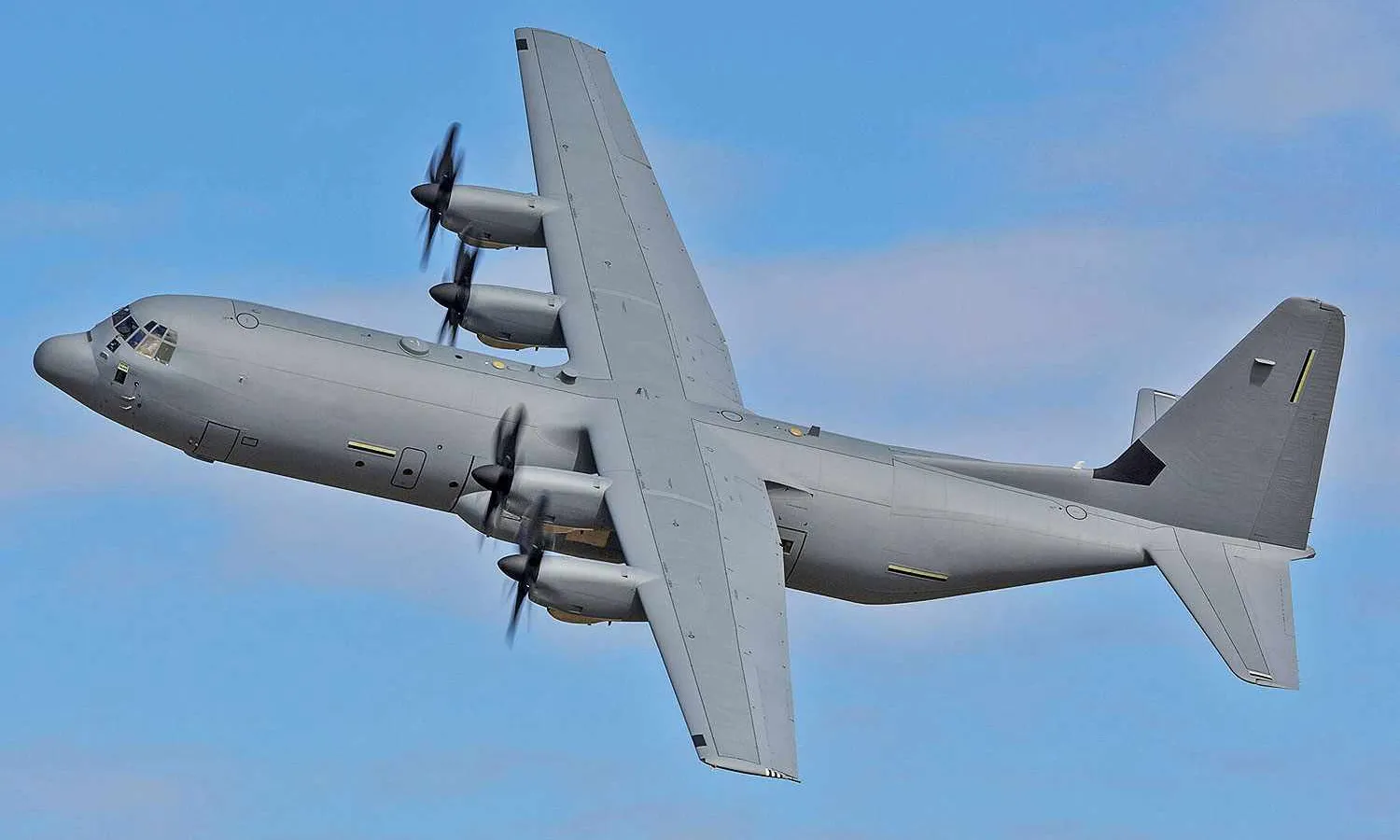
Taiwan’s Republic of China Air Force has decided to pursue the acquisition of 10 Lockheed Martin C-130J transport aircraft, abandoning a previously planned modernization programa for its ageing C-130H fleet after a cost and risk review.
The decision follows an internal reassessment of how best to sustain the air force’s tactical airlift capability as its C-130H aircraft pass four decades in service. Taiwan had been studying a comprehensive upgrade effort for the older fleet under a programa known as Taiwushan-3, but the plan has now been formally cancelled.
The abandoned upgrade would have involved new cockpit and avionics systems, improvements to maritime search-and-rescue capability, enhanced positioning and reporting systems, additional simulators, and new safety and collision-avoidance equipment. Military officials said the cost of software integration, combined with the need for structural reinforcement of ageing airframes, made the programa unattractive, while operational risks would have remained.
Instead, the air force concluded that acquiring new-build C-130Js would provide a more sustainable path, even though older aircraft will remain in service. If the purchase proceeds, Taiwan intends to operate a “high-low mix” fleet, with the newer C-130Js assigned to more demanding missions such as night operations, while the C-130H aircraft would continue to handle routine transport tasks after more limited domestic upgrades.

The Republic of China Air Force currently operates 19 C-130H aircraft following the loss of one airframe in an accident. The first examples entered service in 1984, making them among the oldest aircraft still flying in Taiwan’s inventory. One aircraft is configured for electronic warfare duties and is expected to remain in service alongside the transport fleet.
The C-130J represents the latest evolution of the Hercules family, featuring more powerful engines, a fully digital cockpit and reduced crew requirements. Compared with earlier variants, it offers improved range, payload and performance from shorter or less prepared runways, attributes valued for operations in higher-threat environments as well as for disaster relief missions.
Air force officials have said equipment requirements are shaped by assessments of future threat conditions and the condition of the existing fleet, with the focus on maintaining forces suited to defensive operations. As with other major defence procurements, any C-130J acquisition would require approval by the US government, and no formal Foreign Military Sales case has yet been announced.
Taiwan’s move aligns with a wider trend in the Asia-Pacific region, where air forces are reassessing how to replace or supplement ageing tactical transport fleets. While some operators are extending the lives of older aircraft, others are turning to new-generation platforms to reduce long-term sustainment risk and improve operational flexibility.

About the Author

Ricardo Meier
Creator of the website that started in 1996 as a magazine. He also writes on Brazilian websites AUTOO, MOTOO and MetrôCPTM.