 Air Transport
Tim Clark Suggests Airlines Boycotted the A380: Conspiracy or Industry Politics?
Emirates president Tim Clark has reignited debate around the fate of the Airbus A380. In an interview with The Air Show podcast – later highlighted by One Mile at a Time – Clark claimed that the superjumbo’s early demise may have been the result of a deliberate boycott by rival airlines.
According to Clark, members of the Star Alliance were informally advised not to order the A380, with the idea that supporting the program would strengthen Emirates. “There was a mandate: don’t buy the A380, because it gives them too much power. If we don’t buy it, the program will die – and that’s exactly what happened,” he said during the podcast.
It’s a bold claim, but not entirely surprising coming from Clark – one of the aircraft’s most outspoken advocates since day one. Under his leadership, Emirates turned the A380 into a symbol of its brand and a pillar of its global hub strategy.
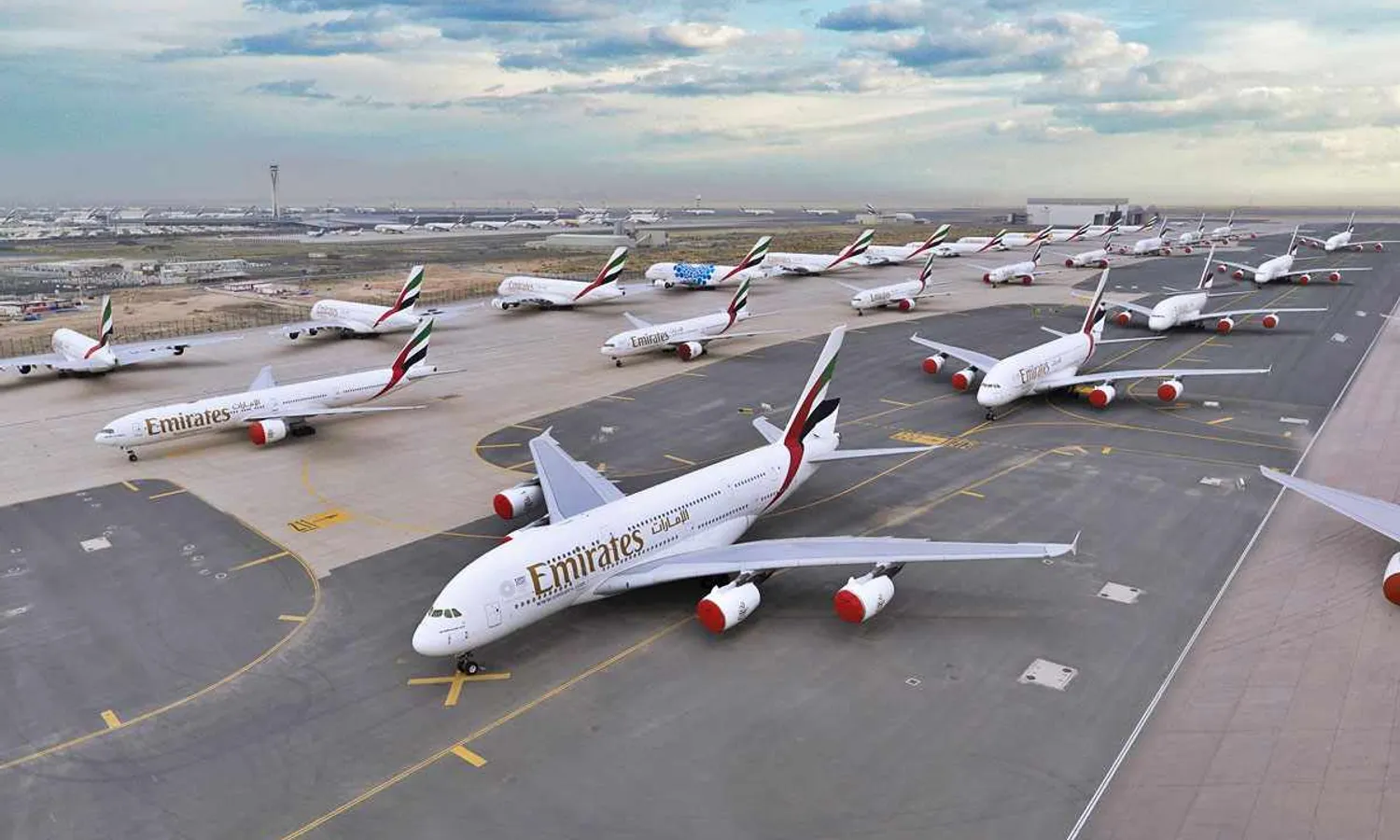
The airline operates the world’s largest A380 fleet, with 116 aircraft or nearly as many as all other operators combined, and was instrumental in keeping the aircraft in production until 2021.

Still, as One Mile at a Time pointed out, the “boycott theory” doesn’t hold up well against market realities. The A380 was never a natural fit for U.S. or European network models. Airlines like Delta, United, and American focus on high-frequency routes using smaller, more efficient aircraft – a strategy that offers flexibility and better yields, especially in markets with seasonal demand.
Moreover, the industry’s evolution worked against the A380’s original premise. While Airbus bet on megahubs and ever-larger aircraft, Boeing envisioned the opposite: smaller, long-range jets like the 787 Dreamliner, connecting city pairs directly without the need for massive hubs. History has largely proven Boeing right.
Even so, the A380 thrived within the unique ecosystem of Dubai, a capacity-constrained megahub perfectly suited for a high-density aircraft. Clark capitalized on that advantage, turning the A380 into both a logistical powerhouse and a flying showcase for the Emirates brand – complete with bars, showers, and an onboard experience that remains unmatched.

Production of the A380 ended in 2021, but Emirates plans to keep the aircraft flying well into the 2040s. For Clark, the A380 still represents the pinnacle of commercial air travel – and its early retirement is a sign of a more conservative, less ambitious industry.
In the end, Clark’s comments can be read as equal parts challenge and nostalgia – the voice of an executive who built an empire on a bold vision of aviation, only to see the world move in a different direction. Boycott or not, the A380 remains, at least in the eyes of passengers, an icon of an era when flying still felt extraordinary.
About the Author

Ricardo Meier
Creator of the website that started in 1996 as a magazine. He also writes on Brazilian websites AUTOO, MOTOO and MetrôCPTM.


