US Air Force considers more B-21s if B-52J upgrade fails
The US Air Force (USAF) is wary of the progress of the B-52 bomber upgrade program and is considering expanding the fleet of the 6th generation B-21 Raider stealth aircraft.
Currently, it is estimated that the USAF will have 100 B-21 bombers, produced by Northrop Grumman, but the total could reach 145 aircraft if the two modernization programs of the old B-52 do not progress as planned.
The Air Force is developing a radar upgrade Radar Modernization Program (RMP) and the Commercial Engine Replacement Program (CERP), which aims to convert 76 B-52Hs to the B-52J standard.
They consist of replacing the old TF-33 turbofans with the Rolls-Royce F130, derived from the commercial BR725 engine. In addition, the “Buffs”, as they are nicknamed, are being prepared to have the AESA radar APG-79, from Raytheon.
The CERP program, however, is behind schedule and should have a critical design review only in August. The decision to produce at low rates is only expected for November 2028 and entry into service, from April 2032.
The RMP program, on the other hand, faces a large increase in costs that could exceed the budget and paralyze activities.

“We will need more”
In a Senate hearing, the Chief of Staff of the Air Force, General David Allvin admitted that if the B-52J program “does worse than we expect, we will need more [B-21s],” according to a report by Air Forces & Space Magazine.
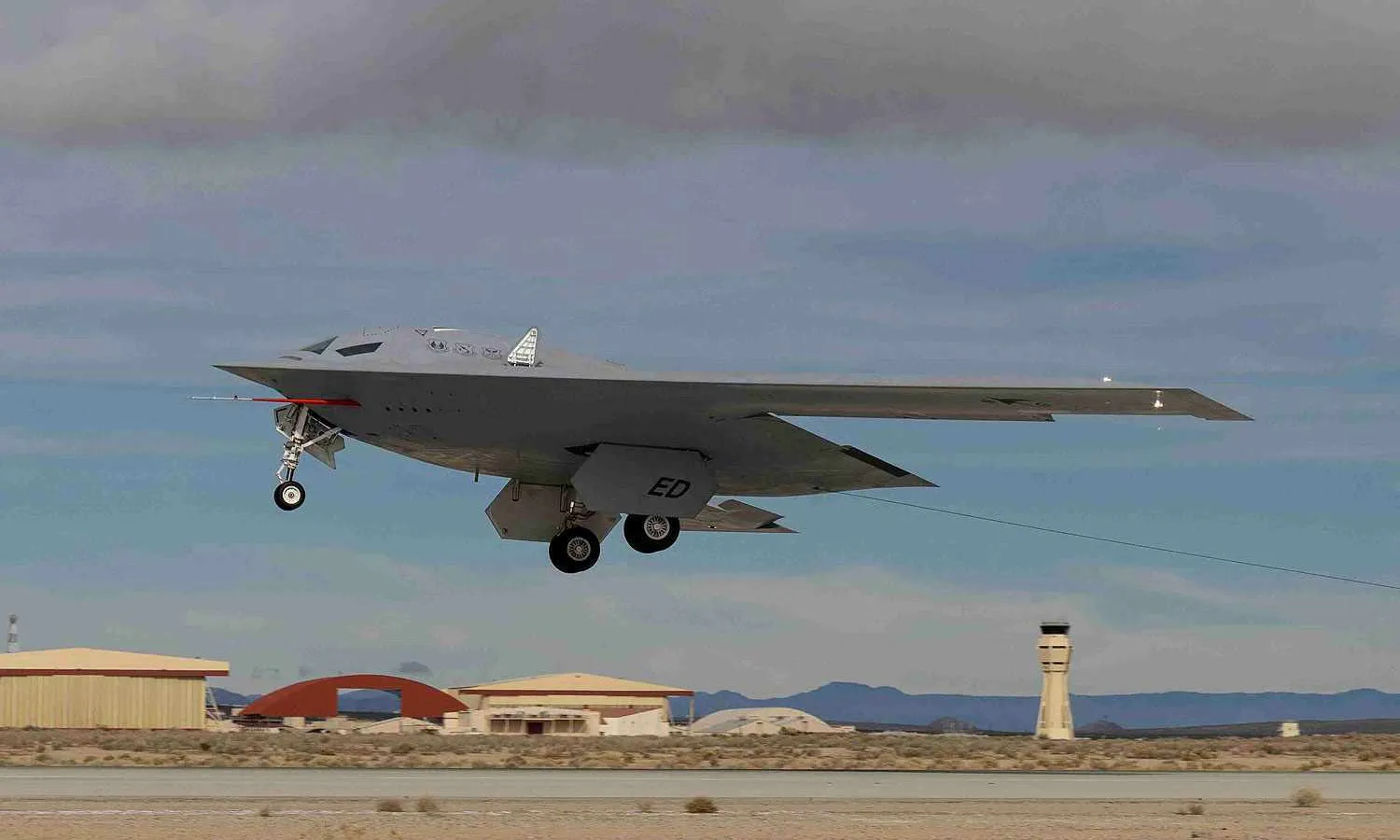
The B-21 Raider, a stealth flying wing, is under development at Edwards AFB in California, while Northrop Grumman builds other aircraft at Plant 42 in Palmdale. The Air Force expects to field the new strategic bomber in the second half of the decade, with the first air base to be Ellsworth, South Dakota. The Raider will replace the B-1B and the B-2 Spirit, the world’s first stealth bomber, which has only two dozen active aircraft.
About the Author

Ricardo Meier
Creator of the website that started in 1996 as a magazine. He also writes on Brazilian websites AUTOO, MOTOO and MetrôCPTM.