US Air Force General reveals first information about the Boeing F-47
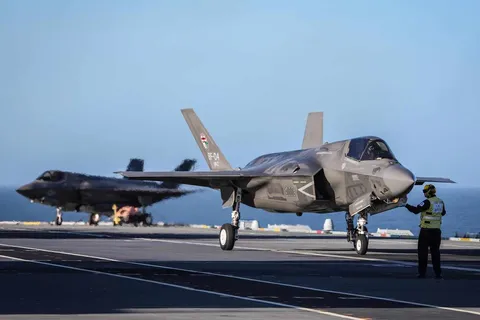
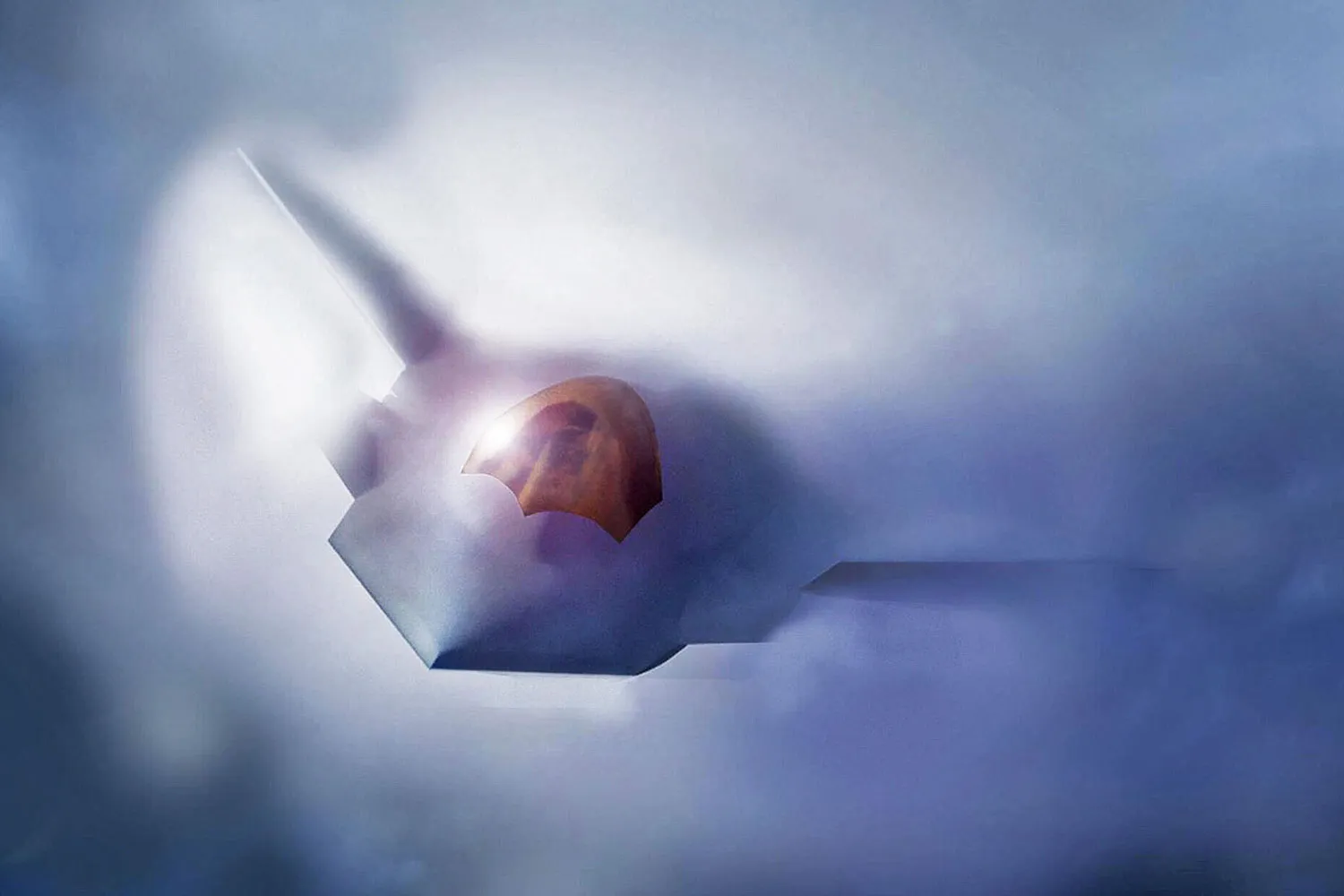
The Boeing F-47 6th gen fighter is still shrouded in great mystery, but at least the first information has been released by the US Air Force (USAF).
The Air Force Chief of Staff, General David Allvin, published an image on X in which he reveals that the new stealth fighter will have a combat radius of more than 1,000 nautical miles (1,852 km).
Therefore, well above the F-22 Raptor, which can fly at distances of up to 590 nm (1,093 km).

Like its predecessor, the F-47 will be capable of flying above Mach 2 (twice the speed of sound).
The Air Force expects to receive more than 185 Boeing fighters, which covers the current F-22 fleet.
Stealth++
General Allvin shared a simple graphic of the Air Force’s fighter evolution, starting with the F-15E(X) and F-16, considered 4th generation, through the F-22 and F-35, considered 5th generation, and reaching the F-47 and the YFQ-42A and YFQ-44A Collaborative Combat Aircraft (CCAs).

In the graphic, the Air Force classified the F-35A and drones as “Stealth” aircraft, while the F-22 was considered “Stealth+.”
In this sense, the Next Generation Air Dominance (NGAD) fighter will have a more advanced stealth capability, “Stealth++.”
Regarding the YFQ-42A and YFQ-44A, the chief of staff predicted a planned fleet of over a thousand aircraft, which will have the mission of air superiority and a combat radius of at least 700 nautical miles. The operational horizon is similar to the F-47, that is, until 2029.
About the Author

Ricardo Meier
Creator of the website that started in 1996 as a magazine. He also writes on Brazilian websites AUTOO, MOTOO and MetrôCPTM.