 Defense
United States approves possible sale of F-16 fighters to Peru
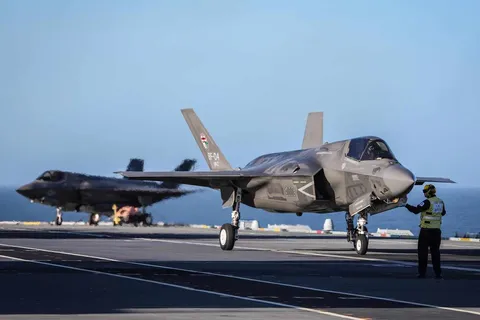
The United States Department of State has cleared a possible Foreign Military Sale to Peru involving F-16 Block 70 fighter jets and related equipment, with an estimated value of $3.42 billion. The notification was formally sent to the US Congress by the Defense Security Cooperation Agency (DSCA).
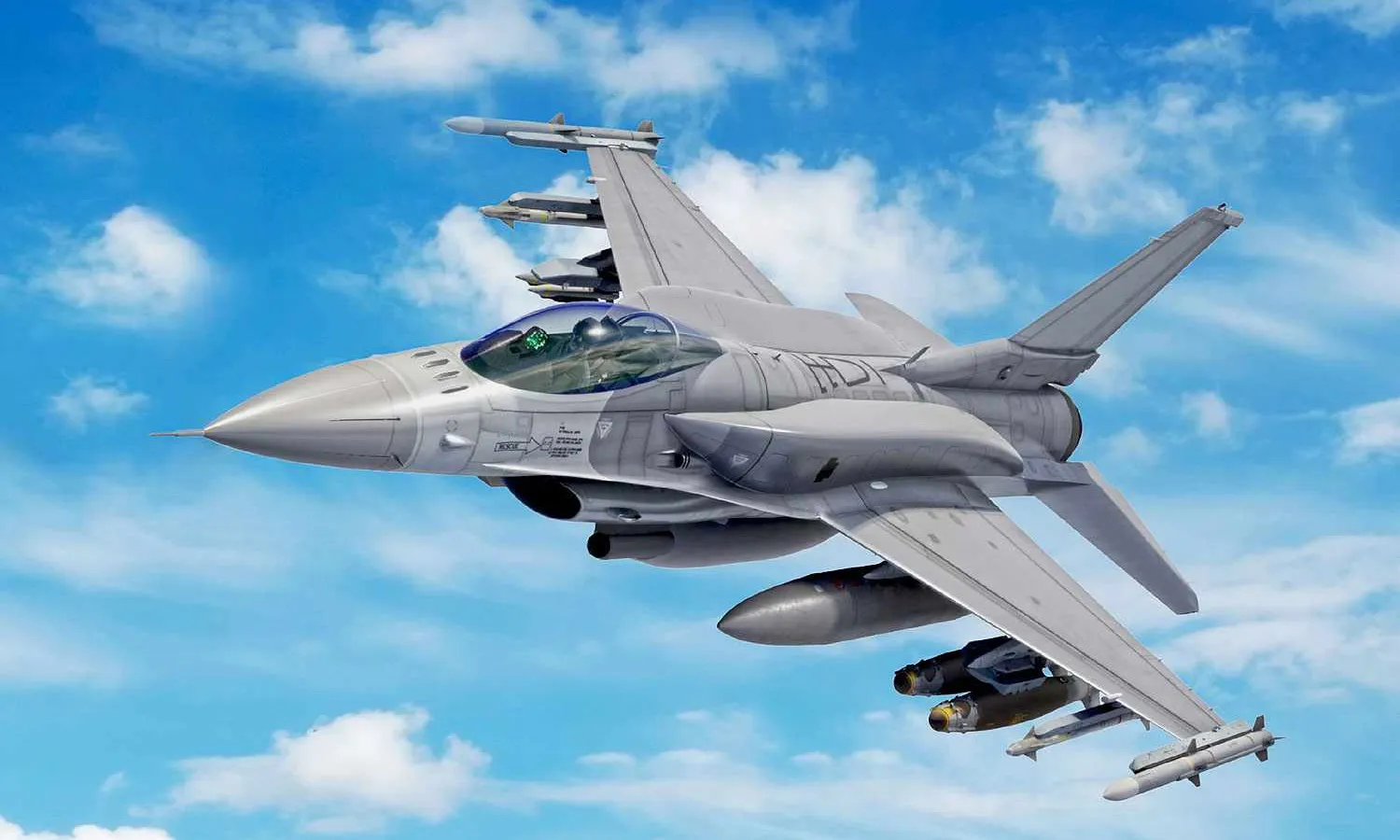
Under the request, the Peruvian government aims to acquire ten F-16C Block 70 and two F-16D Block 70 aircraft. The package also includes 14 F110-GE-129 engines, 12 AIM-120C-8 AMRAAM air-to-air missiles, 52 LAU-129 guided launchers, and 12 M61A1 20mm cannons. Additional systems such as GPS navigation, AN/APG-83 radars, and mission computers are part of the proposed deal.
The F-16 Block 70 is the latest production standard of the single-engine multirole fighter, featuring updated avionics, radar, and structural enhancements. The AN/APG-83 AESA radar is designed to provide improved air-to-air and air-to-ground capabilities. The aircraft are intended to enhance the Peruvian Air Force’s capacity for airspace control and precision ground-attack missions.

Lockheed Martin, General Electric Aerospace, and RTX Corporation have been named as the main contractors for the potential US-Peru deal. According to the DSCA, the proposed sale is not expected to alter the basic military balance in the region, but it is designed to reinforce long-term military cooperation between the two countries.
Saab Gripen is the main challenger
Current Peruvian Air Force fighter assets include Dassault Mirage 2000 and Mikoyan MiG-29 jets, both of which are considered outdated in terms of avionics and systems. Additionally, the country operates Sukhoi Su-25 ground-attack aircraft. The modernization effort aims to replace or supplement these older platforms.
A

longside negotiations with the United States, Peru is also exploring the acquisition of Saab Gripen E/F fighters. The Swedish government has authorized a possible sale of 24 aircraft, which would include the GlobalEye airborne early warning platform.
The notification to Congress is a procedural step and does not constitute a final agreement. If approved, contract negotiations and detailed technical discussions are expected to follow, defining delivery timelines and operational integration.
About the Author

Ricardo Meier
Creator of the website that started in 1996 as a magazine. He also writes on Brazilian websites AUTOO, MOTOO and MetrôCPTM.