 Air Transport
US judge approves dismissal of criminal case against Boeing over 737 MAX crashes
A US federal judge has approved the Department of Justice’s request to dismiss a criminal case against Boeing tied to two fatal 737 MAX crashes that killed 346 people. Judge Reed O’Connor delivered the ruling after the government moved to end the action in a Texas court.
The case was reactivated after the DOJ accused Boeing of breaching an earlier agreement connected to the accidents. The judge stated he lacked the authority to reject the government’s request for dismissal.
Judge O’Connor criticized the government’s decision, stating that “the agreement does not guarantee the level of accountability necessary to ensure public safety,” but that he does not have the authority to reverse the situation.
Under the new terms, Boeing is not required to undergo three years of oversight by an independent monitor but must instead appoint a compliance consultant.
Boeing has agreed to pay an additional $444.5 million to a victims’ compensation fund, a new fine of $243.6 million, and more than $455 million to enhance its compliance, safety, and quality programs.
The Department of Justice defended its approach, citing “significant progress” by Boeing in strengthening anti-fraud and anti-conspiracy protocols. The company remains under scrutiny as it implements these new commitments.

The two fatal 737 MAX crashes that grounded the jet for 20 months
The first accident with the 737 MAX occurred on October 29, 2018, when Lion Air flight JT610 crashed into the Java Sea shortly after takeoff from Jakarta, Indonesia.
All 189 people on board were killed. Investigators later determined that a flight-control system known as the Maneuvering Characteristics Augmentation System (MCAS) had repeatedly forced the aircraft’s nose down due to erroneous sensor data, while the crew struggled to regain control. The report also cited inadequate pilot training and maintenance shortcomings.
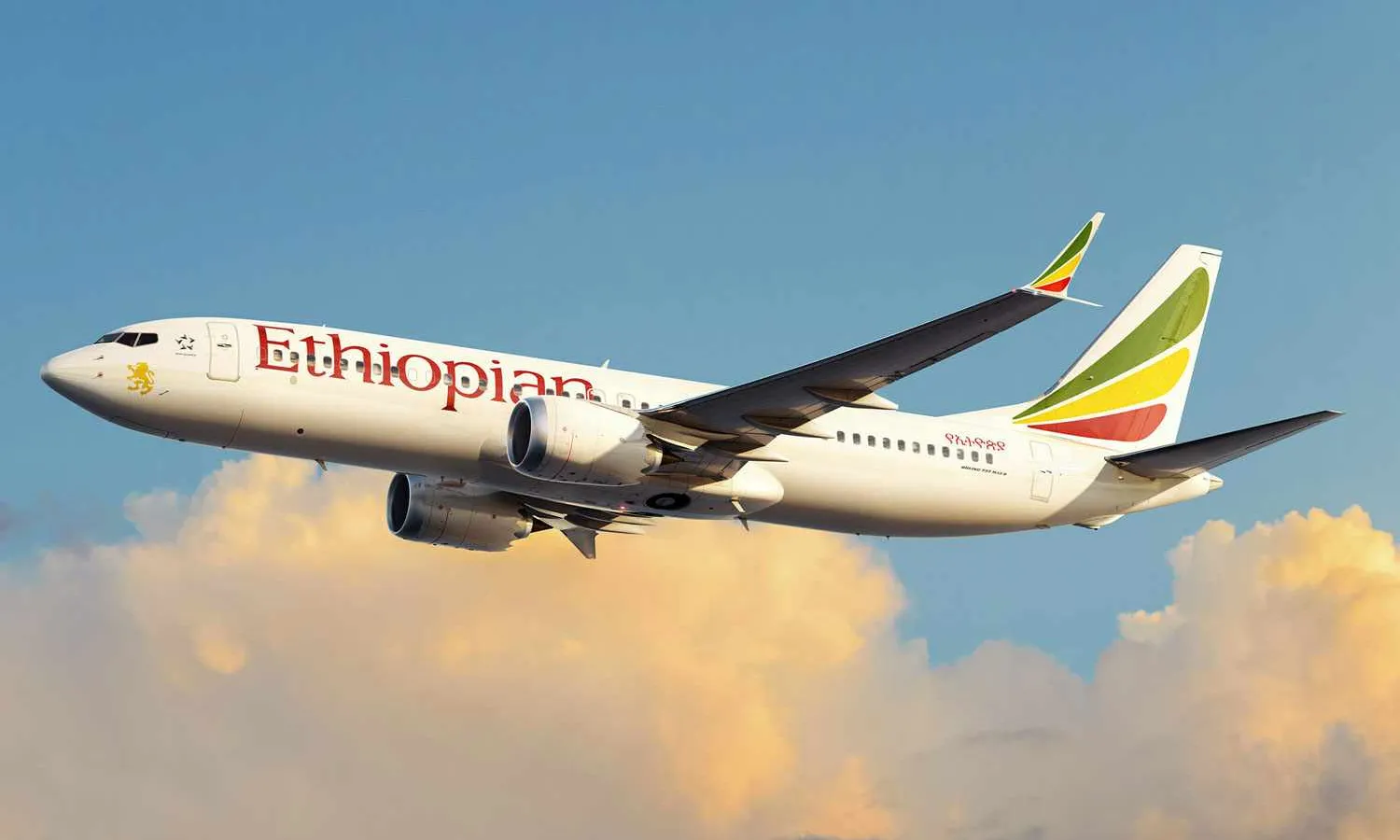
Less than five months later, on March 10, 2019, Ethiopian Airlines flight ET302, another 737 MAX 8, went down minutes after departing Addis Ababa, killing all 157 occupants.
The accident showed striking similarities to the Lion Air crash, again involving the MCAS system. Within days, aviation authorities worldwide grounded the 737 MAX fleet pending investigation. The grounding ultimately lasted 20 months, becoming one of the longest in modern commercial aviation history.
Boeing was later required to redesign MCAS, update pilot training procedures, and overhaul elements of its safety certification process before the aircraft was cleared to return to service.
About the Author

Ricardo Meier
Creator of the website that started in 1996 as a magazine. He also writes on Brazilian websites AUTOO, MOTOO and MetrôCPTM.


