US reportedly suspends sales of engines for COMAC commercial jets
The Trump administration has suspended licenses for U.S. companies to sell turbofan engines to Chinese state-owned manufacturer COMAC, the New York Times reported.
The measure would be a response to Chinese restrictions on the export of critical minerals, claiming that the technologies of these and other production are critical to the United States.
The Commerce Department acknowledged to Reuters that it is reviewing some licenses or establishing more requirements to authorize sales.
The suspension could compromise production of the C909 and C919 commercial jets, which depend on several Western suppliers mainly for engines.

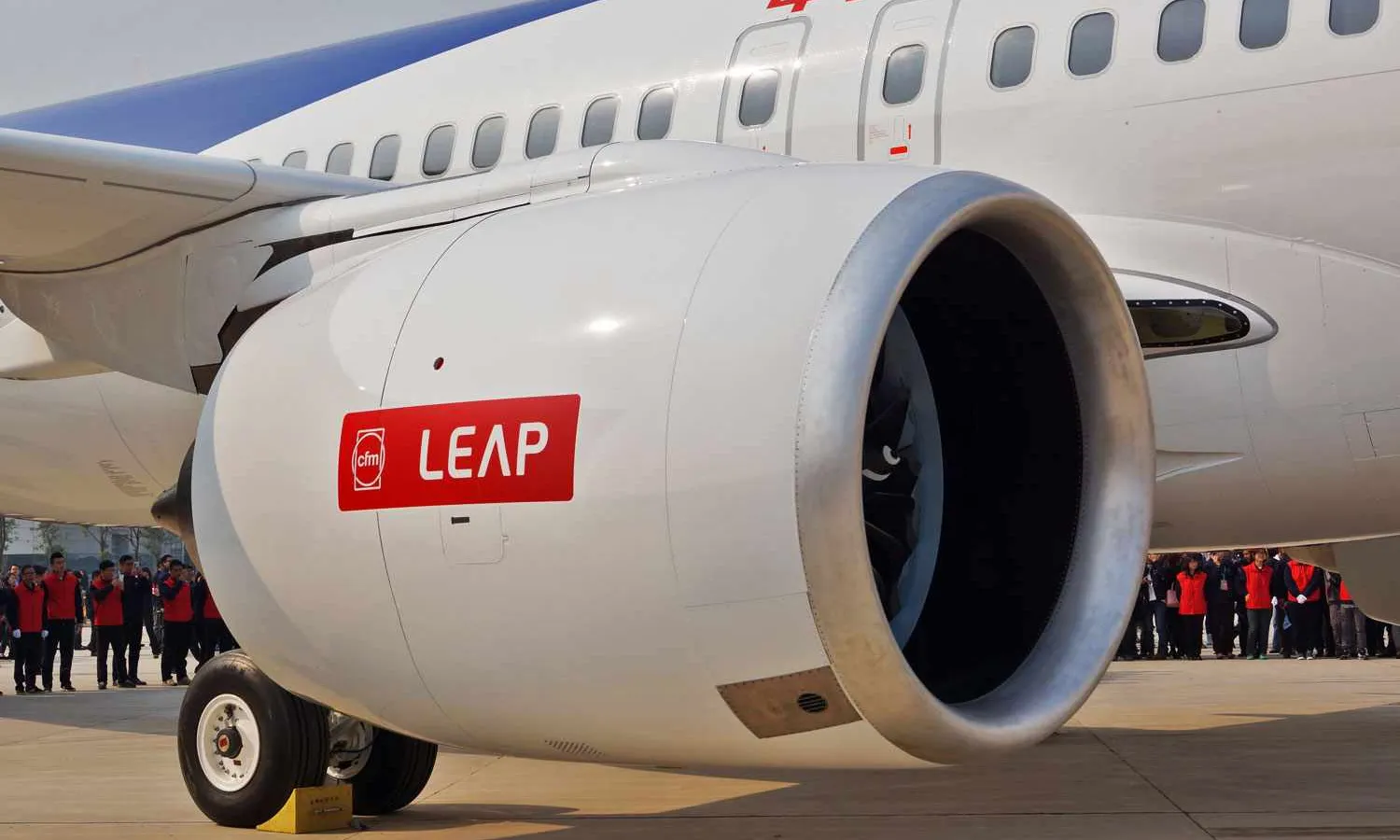
The C909 regional jet (formerly the ARJ21) is powered by GE’s well-known CF-34 turbofan, while the C919 uses the Leap-1C, supplied by CFM, a joint venture between GE and the French company Safran.
Delayed Chinese engine
While the C909 operates in a niche only disputed by Embraer jets, the C919 is an alternative to the popular Boeing 737 MAX and Airbus A320neo.
With a capacity for around 160 seats, the narrow-body aircraft completed two years in service this week and has delivered 19 units.

But COMAC’s ambition is to expand its production to meet the demand for hundreds of aircraft for Chinese airlines and, above all, to position the C909 as a global player, betting on a lower price than its Western rivals.
The Xi Jiping government’s plans, however, are hampered by the lack of Chinese engines in these categories.
There is a Leap-1C-class turbofan under development in China, the AC-1000A, but it has so far only flown in testbed aircraft.
About the Author

Ricardo Meier
Creator of the website that started in 1996 as a magazine. He also writes on Brazilian websites AUTOO, MOTOO and MetrôCPTM.


