Defense
USAF B-52s Conduct Operations Off Venezuela Amid Heightened Caribbean Presence
Three US Air Force B-52 bombers flew near the Venezuelan coast on October 15, departing from Barksdale Air Force Base and conducting orbits in international airspace for approximately two hours.
The aircraft, operating under the call signs BUNNY01, BUNNY02, and BUNNY03, remained visible on radar throughout the mission.
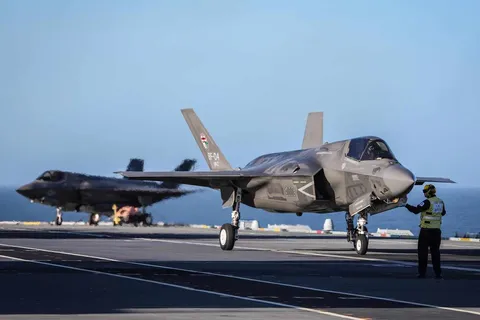
This deployment forms part of an expanded US military presence in the Caribbean, where the United States currently maintains around 10,000 troops. Assets in the region include F-35s and MQ-9 Reaper drones based in Puerto Rico, with recent imagery showing MQ-9s armed with Hellfire missiles.
US officials have acknowledged a series of airstrikes against vessels suspected of drug trafficking since early September, totaling six strikes as of October 16. The US government claims at least 27 fatalities in these operations, which have escalated pressure on Venezuelan President Nicolás Maduro, who faces US accusations of drug and arms trafficking conspiracies.

President Donald Trump has confirmed ongoing CIA operations in Venezuela and indicated that further actions within Venezuelan territory are under consideration. The US government has offered a $50 million reward for information leading to Maduro’s capture, signaling a multi-faceted approach combining military, intelligence, and legal measures.
Legal experts and some US lawmakers have raised questions regarding the legality of the airstrikes on suspected traffickers’ boats, citing concerns over international law and rules of engagement. The presence of US special operations forces and the deployment of platforms such as the MV Ocean Trader, along with observed Army helicopters near Trinidad and Tobago, underline the operational complexity.
The imminent retirement of Admiral Alvin Holsey, chief of US Southern Command, was announced by the Secretary of Defense and may prompt a leadership transition as these operations continue.
About the Author